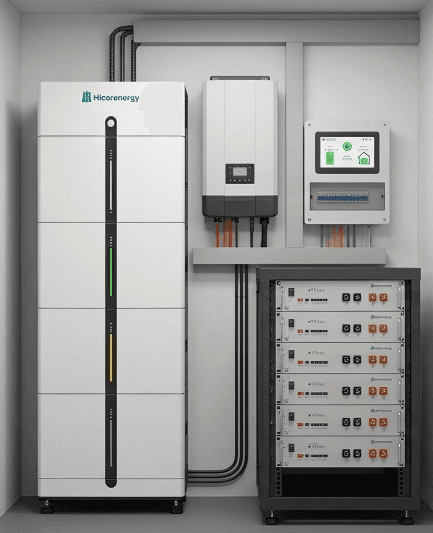
 Power outages are becoming more frequent worldwide, driven by extreme weather, aging grids, and rising electricity demand. A home solar battery system offers a reliable, clean solution—storing solar energy, providing instant backup during blackouts, and reducing dependence on the grid. This article explains why solar batteries outperform generators, how automatic backup works, and what long-term security they deliver for modern households.
1.Beyond Backup Generators: Why a Solar Battery Is a Smarter Choice
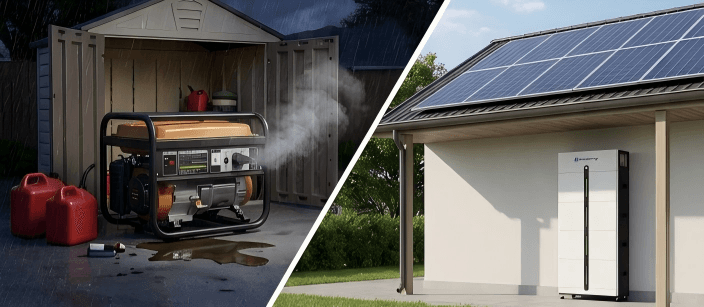
For decades, fuel-powered generators have been the default response to blackouts—but they come with noise, emissions, fuel shortages, and manual startup hassles. A solar battery system eliminates these issues by storing clean energy generated during the day and releasing it automatically when the grid fails. There is no need to refuel, no carbon monoxide risk, and no disruptive noise.
More importantly, solar batteries work every day, not just during outages. They help homeowners reduce electricity bills by using stored solar energy at night or during peak pricing hours. Over time, this daily value significantly improves return on investment compared to a generator that sits idle most of the year. In addition, solar batteries integrate seamlessly with smart energy management systems, allowing users to monitor usage, optimize performance, and future-proof their homes as energy prices rise.
2.Seamless Switch: How Automatic Backup Power Works During a Blackout
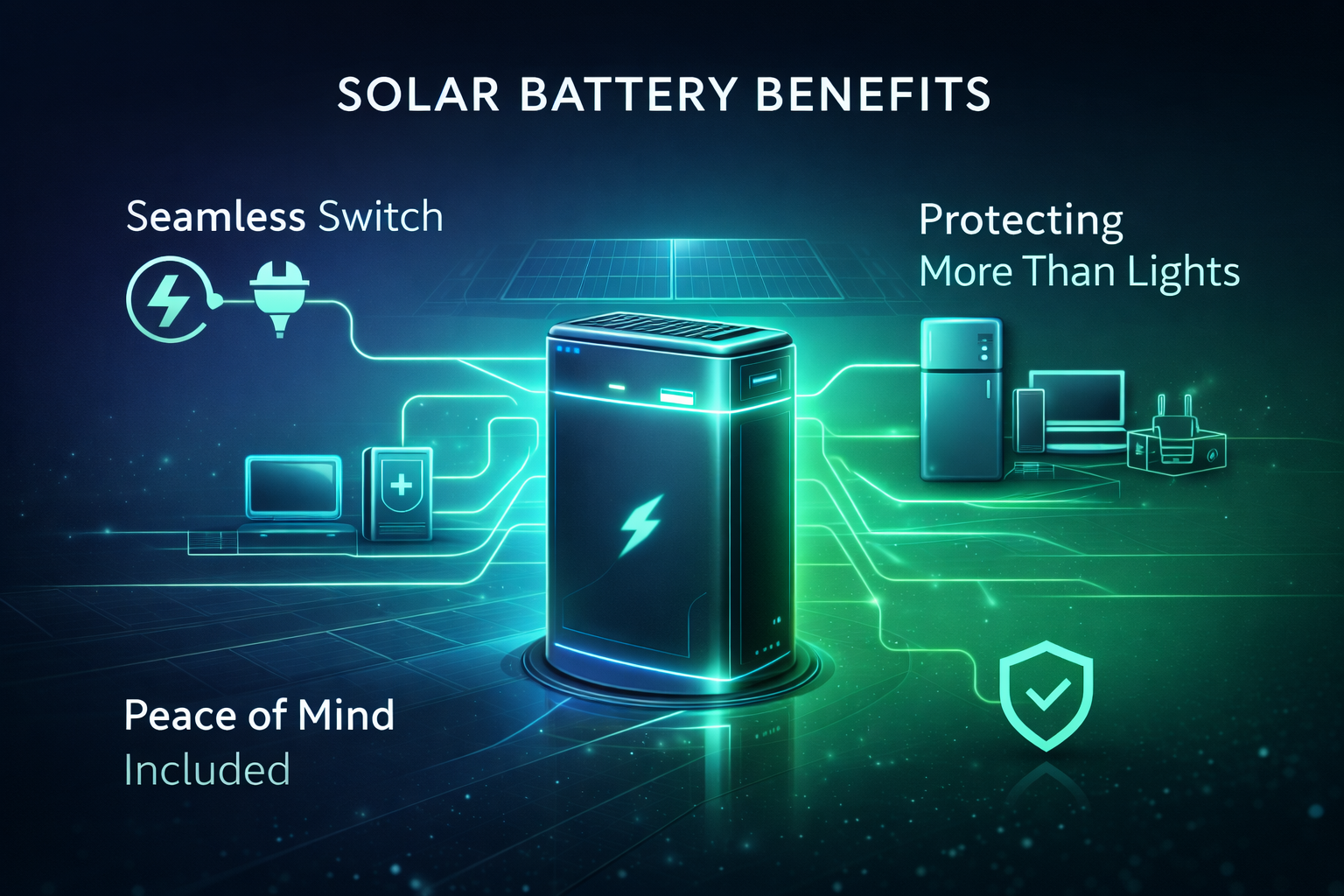
One of the most reassuring features of a home solar battery system is its automatic operation. When a blackout occurs, the system’s inverter detects the grid failure within milliseconds and disconnects your home from the grid to ensure safety. At the same time, the battery instantly supplies power to pre-selected circuits—often so fast that lights and appliances barely flicker.
This seamless transition means no manual intervention, no scrambling in the dark, and no waiting for a generator to warm up. The system continuously prioritizes essential loads, ensuring your most important devices stay powered while efficiently managing stored energy.
3.Protecting More Than Lights: Essential Appliances Your Solar Battery Can Power
A common misconception is that solar batteries only keep lights on. In reality, a properly sized home battery system can power a wide range of essential appliances during an outage. Refrigerators and freezers stay operational, protecting food from spoilage. Wi-Fi routers and communication devices remain online, which is critical for remote work, emergency updates, and staying connected.
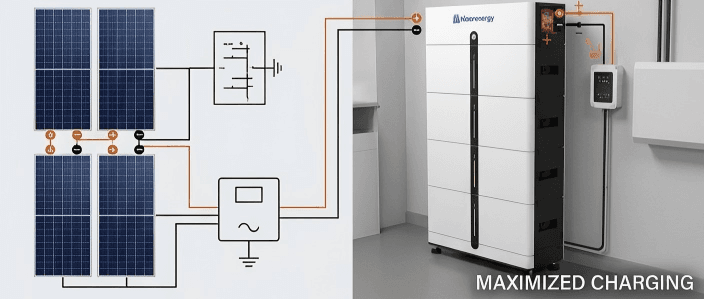
Many systems can also support medical equipment, security systems, LED lighting, televisions, and even washing machines for limited periods. When paired with rooftop solar, the battery can recharge during daylight hours, extending backup duration from hours to days. The key lies in smart load management—prioritizing critical circuits to maximize resilience without oversizing the system unnecessarily.
4.Peace of Mind Included: The Long-Term Security of Solar Energy Storage
Beyond immediate blackout protection, solar energy storage delivers long-term energy security. As grid instability increases and electricity costs fluctuate, homeowners with batteries gain control over when and how they use power. This independence reduces exposure to outages, price spikes, and fuel shortages.
Solar batteries are designed for long lifespans, often exceeding 10 years with thousands of charge cycles. Modern systems include advanced battery management, thermal protection, and remote monitoring, ensuring safety and reliability over time. For homeowners, this translates into peace of mind—knowing that their home remains powered, protected, and resilient no matter what happens to the grid.
Contact Hicorenergy to explore your next energy storage project:
Email: info@hicorpower.com
WhatsApp: +86 181-0666-3226