Introduction: Powering Your Future with Home Energy Solutions
The way we manage and consume energy is undergoing a significant transformation, and at the forefront of this change are Home energy storage systems. These sophisticated solutions are no longer a futuristic concept but a practical and increasingly popular way for homeowners to take control of their power supply, reduce costs, and contribute to a more sustainable environment. Investing in a home energy storage solution means investing in reliability, efficiency, and peace of mind, especially in an era of fluctuating energy prices and increasing concerns about grid stability. As technology advances, these systems are becoming more accessible, powerful, and integrated into our daily lives.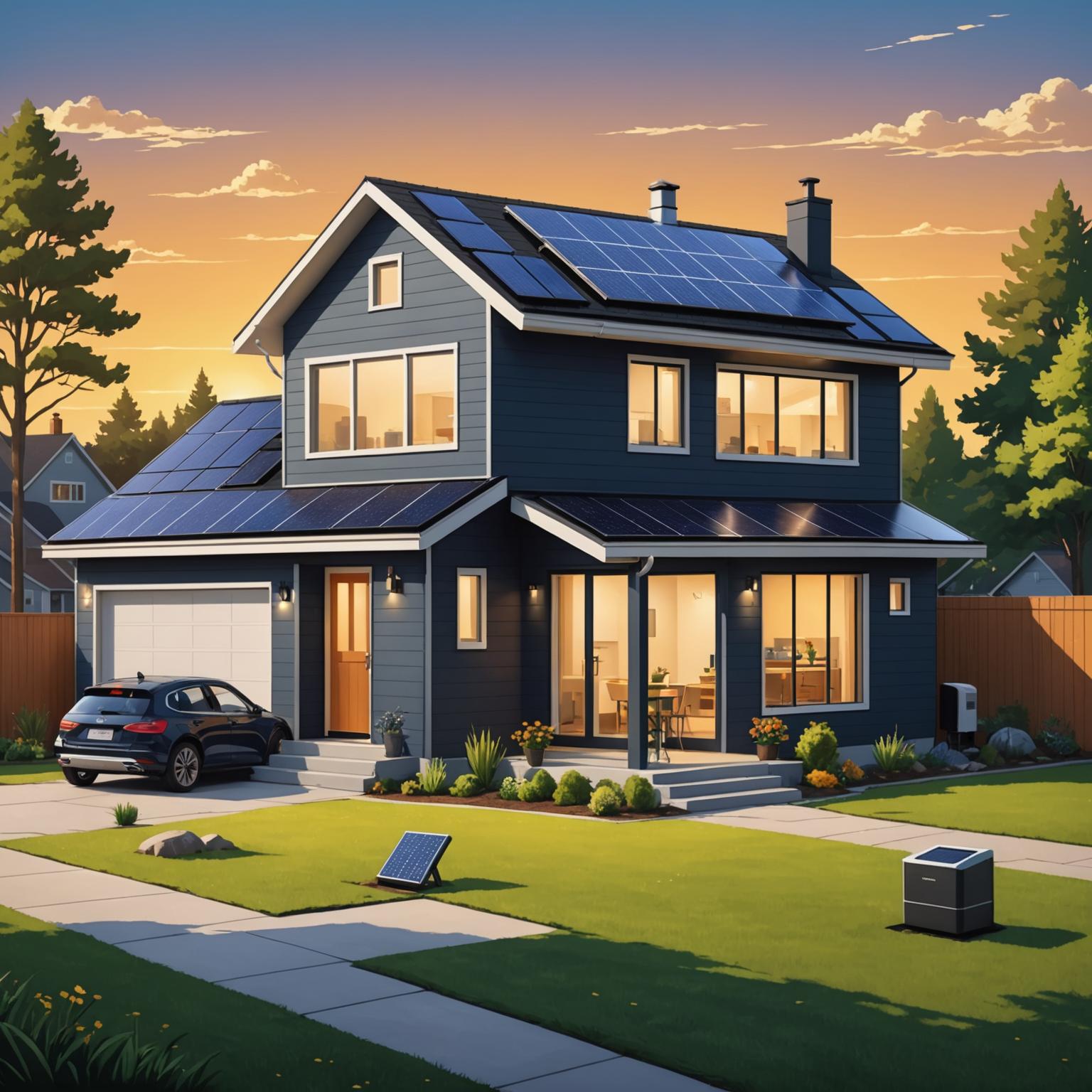
1. Uninterrupted Power and Energy Independence
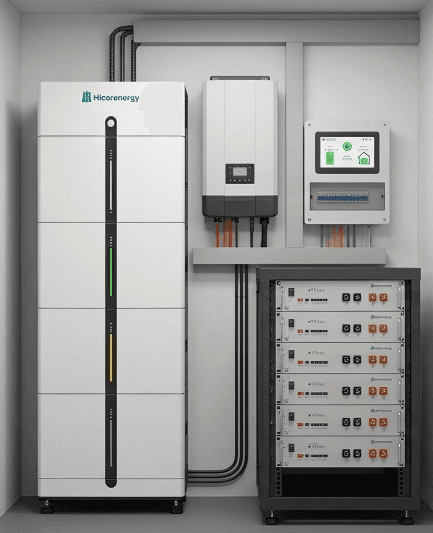
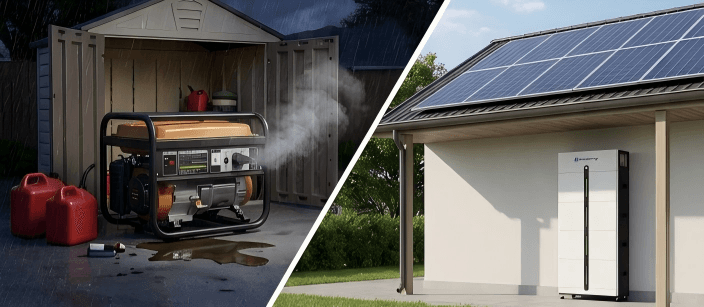
One of the most compelling reasons to consider installing a home energy storage system is the promise of uninterrupted power. Power outages, whether due to severe weather, grid maintenance, or unexpected failures, can be highly disruptive. With effective battery storage for homes, you can keep your lights on, appliances running, and essential medical devices operational when the grid goes down. This provides an invaluable sense of security and independence. Beyond just backup, these systems allow you to store energy generated from solar panels or a CCHP system during the day for use at night or during cloudy periods, further reducing your reliance on the utility grid. Solutions like Hicor Energy’s I-BOX 48100R are designed for reliability, ensuring that you have power when you need it most, thanks to robust power management and clear status indicators.
2. Smart Savings: Reducing Electricity Bills
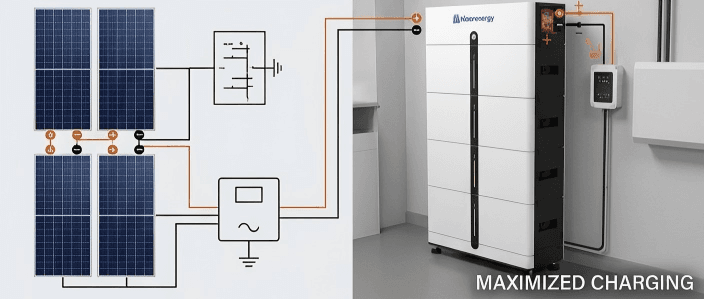
Modern energy storage systems are intelligent, offering smart ways to manage your energy consumption and ultimately lower your electricity bills. A key strategy is "peak shaving." Many utility companies charge higher rates for electricity during peak demand hours (usually late afternoons and early evenings). An energy storage system can be programmed to charge its batteries during off-peak hours when electricity is cheaper, and then supply your home with this stored energy during peak hours, helping you avoid those high rates. Furthermore, if you have solar panels, these systems maximize self-consumption. Instead of sending excess solar energy back to the grid (often for minimal compensation), you can store it in your battery for later use, ensuring you get the full benefit of your solar investment. The advanced connectivity and management features found in many energy storage systems, like those exemplified by the I-BOX 48100R, enable seamless integration for such smart energy management.
3. Greener Living: Contributing to a Sustainable Future
For environmentally conscious homeowners, installing residential energy storage is a significant step towards a greener lifestyle. By storing excess renewable energy, particularly from solar panels, you can reduce your reliance on electricity generated from fossil fuels. This, in turn, lowers your carbon footprint and supports the broader transition to cleaner energy sources. When more homes utilize stored solar power, it lessens the demand on the grid during peak times, which often necessitates the firing up of less efficient, more polluting "peaker" power plants. Thus, your individual choice to use residential energy storage contributes to a collective positive impact, making it a key component in building a more sustainable energy infrastructure for communities.
4. Enhanced Grid Stability and Support
While primarily focused on individual home benefits, widespread adoption of home energy storage can also contribute positively to the overall stability of the electrical grid. These distributed energy resources can help smooth out the fluctuations in demand and supply, especially with the increasing integration of intermittent renewable sources like solar and wind. Some advanced Energy storage systems and utility programs may even allow homeowners to participate in demand response programs, where they can "sell" stored energy back to the grid during times of extreme demand, providing crucial support and potentially earning additional revenue. This collaborative approach makes the grid more resilient and efficient. Energy storage systems with robust communication protocols are vital for such interactions.
5. Choosing the Right System: A Look at the Hicor Energy I-BOX 48100R
When selecting a home energy storage solution, it’s crucial to choose a system that is reliable, efficient, and user-friendly. The Hicor Energy I-BOX 48100R exemplifies these qualities, offering a sophisticated yet accessible approach to modern energy needs. Its modular design allows for scalability, fitting various residential setups. A standout feature is its robust power management interface, with a simple ON/OFF switch and clear LED status indicators (SW, RUN, ALM, SOC) allowing users to instantly monitor operation modes, warnings, and battery charge levels. Connectivity is central to the I-BOX 48100R, boasting multiple ports including Console, CAN communication, RS485, and Link interfaces, ensuring compatibility with diverse setups and enabling seamless integration into larger systems. Furthermore, its durable construction, precision-engineered power terminals, and ergonomic carrying handles highlight a commitment to both performance and ease of installation. This makes the I-BOX 48100R not just a battery, but a comprehensive home energy storage companion for a smarter future, showcasing the innovation present in today's home energy storage market.
Conclusion: Embrace the Future of Energy Management
Home energy storage systems are revolutionizing how we interact with power, offering a multitude of benefits from financial savings and energy independence to environmental responsibility and grid support. As technology continues to evolve, solutions like the Hicor Energy I-BOX 48100R demonstrate the sophistication and user-centric design that make these systems increasingly appealing. Considering home energy storage is more than just an upgrade; it's a forward-thinking decision that empowers homeowners and paves the way for a more resilient, sustainable, and efficient energy future for everyone.