The Dawn of Smarter Home Power: Embracing Home Energy Storage Systems
In an era where energy independence and sustainability are becoming increasingly vital, Home energy storage systems are emerging as a cornerstone of the modern household. These sophisticated solutions offer homeowners unprecedented control over their power consumption, paving the way for a more resilient, cost-effective, and environmentally friendly energy future. As we look towards smarter living, understanding the capabilities and benefits of these systems is crucial for anyone considering an upgrade to their home's energy infrastructure. The ability to store energy generated, whether from the grid during off-peak hours or from renewable sources, fundamentally changes how we interact with power.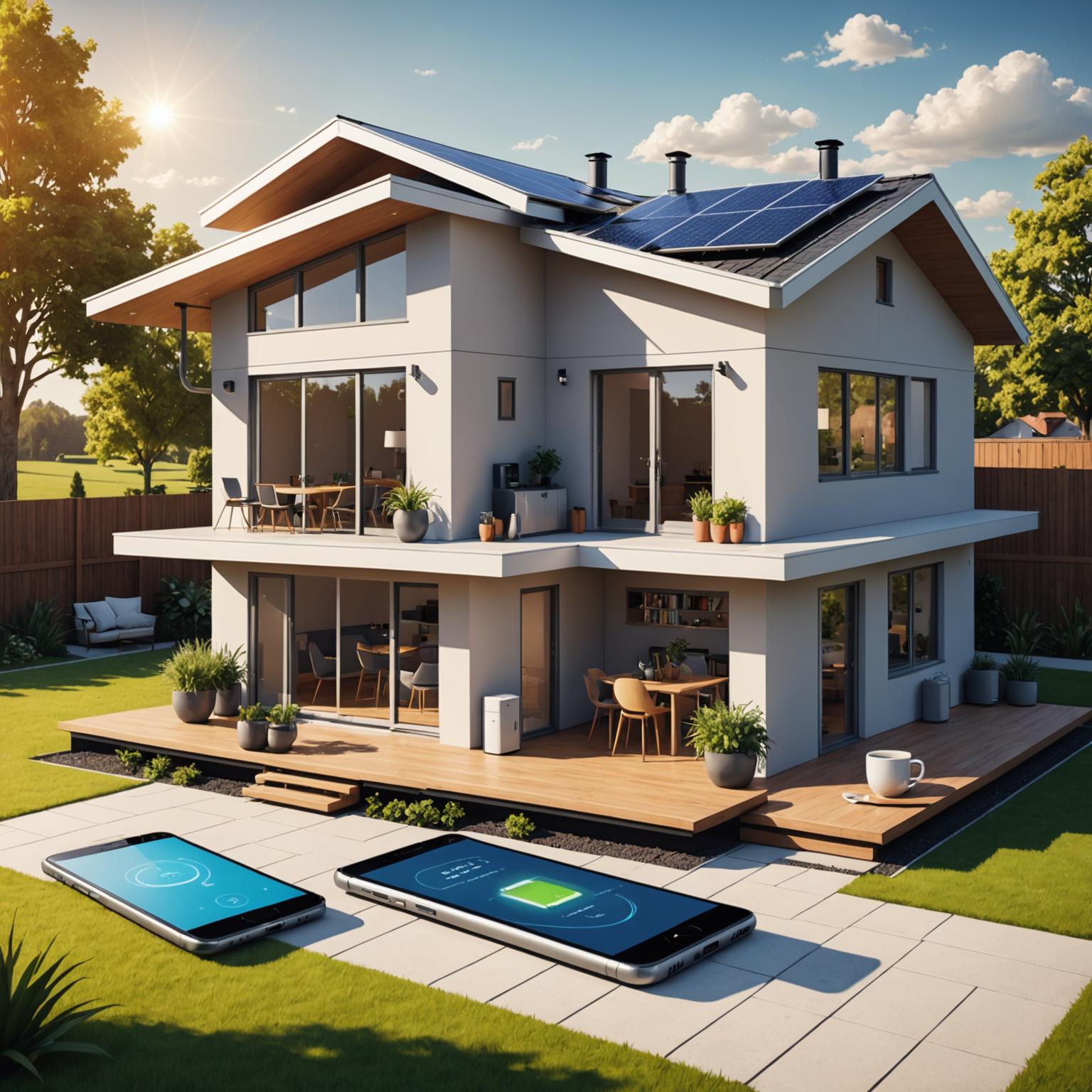
Unlock the Advantages: Why Invest in Residential Energy Storage?
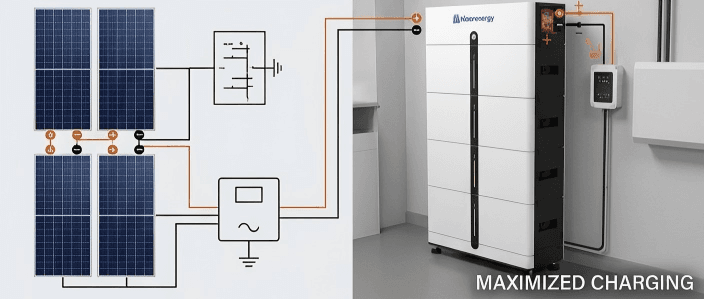
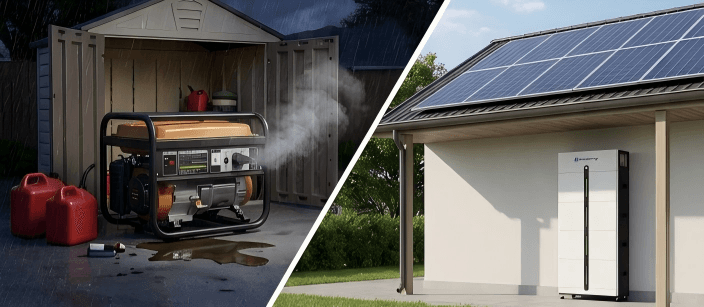
Opting for residential energy storage brings a wealth of benefits that extend far beyond simple convenience. Firstly, these systems provide a robust backup power solution. During grid outages, which can be increasingly common due to extreme weather or infrastructure issues, a home energy storage unit ensures that your essential appliances keep running, offering peace of mind and uninterrupted living. Secondly, cost savings are a significant driver. By storing electricity when it's cheapest (e.g., off-peak grid rates or surplus solar generation) and using it during peak times, homeowners can drastically reduce their utility bills. Furthermore, for those with solar panels, solar energy storage is a game-changer, allowing you to maximize self-consumption of the clean energy you produce, rather than sending excess power back to the grid for minimal compensation. This effective use of energy storage systems enhances your home's energy efficiency.
Demystifying the Technology: How Battery Storage for Homes Works
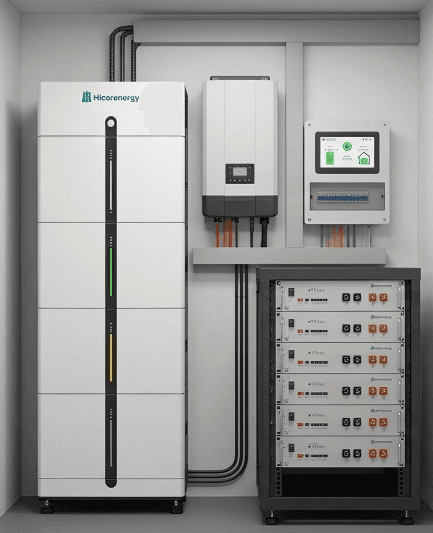
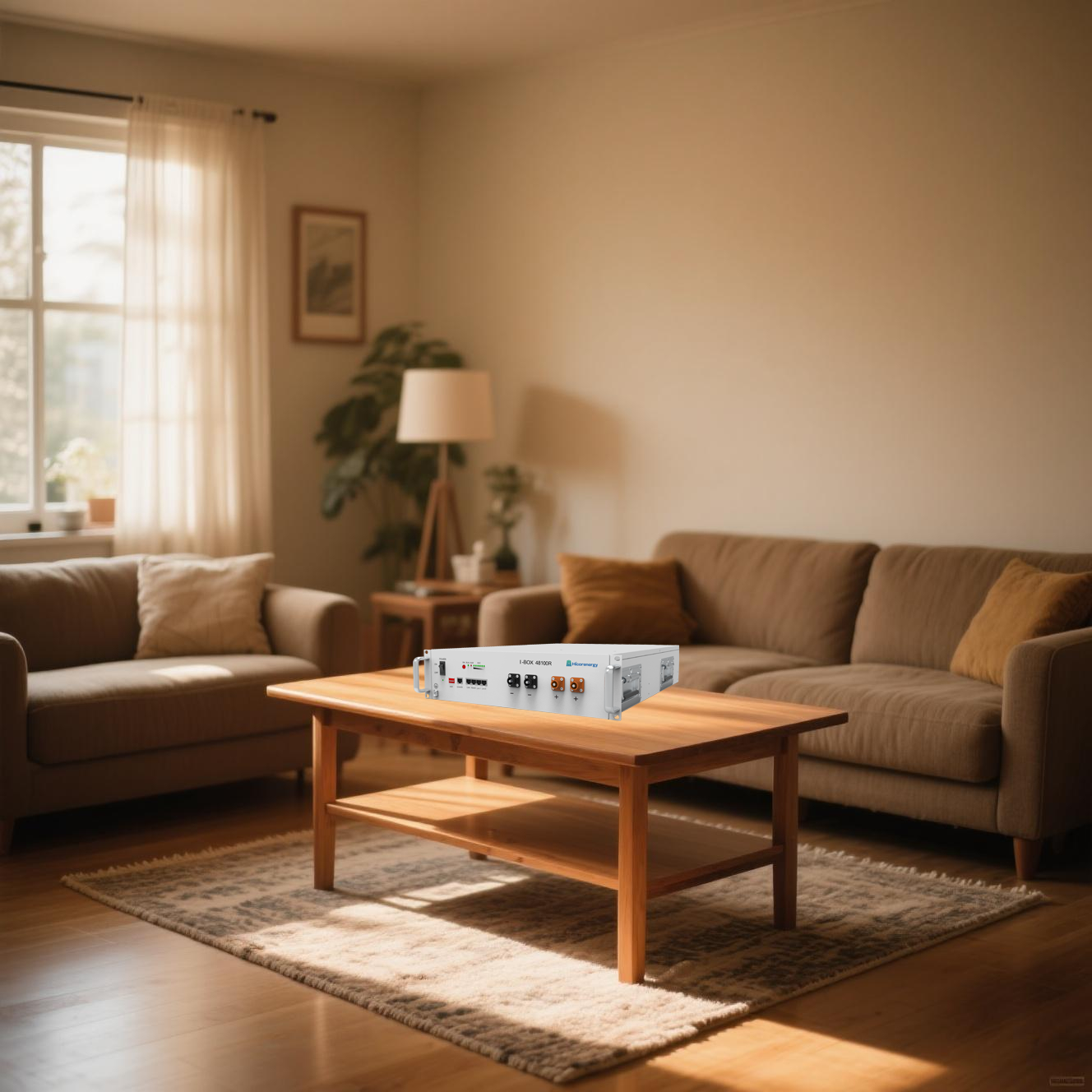
At its core, battery storage for homes operates on a simple yet ingenious principle: store electricity when it's abundant or cheap, and discharge it when needed. These systems typically consist of high-capacity batteries, an inverter to convert DC power from the batteries to AC power for your home, and a sophisticated control system. When your solar panels generate more electricity than your home is currently using, the excess is channeled to charge the batteries. Similarly, if you're on a time-of-use electricity tariff, the system can be programmed to draw power from the grid during low-cost off-peak hours and store it. When demand is high or grid prices are steep, your home draws power from these home battery systems, reducing reliance on external sources. The technology within modern systems ensures safe and efficient operation, often incorporating features for optimal performance and longevity.
Smart Integration: Energy Management Solutions for the Modern Home
Today's home energy storage solutions are not just standalone units; they are integral components of a broader smart home ecosystem. Advanced energy management solutions allow for seamless integration and control, often accessible via smartphone apps. These platforms provide real-time insights into your energy production, storage levels, and consumption patterns. You can monitor system performance, track savings, and even customize how and when your battery charges and discharges. This level of control empowers homeowners to make informed decisions, optimizing their energy usage for maximum efficiency and cost-effectiveness. Features such as clear state-of-charge indicators and diagnostic tools, once common in industrial applications, are now making their way into user-friendly residential interfaces, ensuring you are always aware of your system's status.
Choosing Wisely: What to Look for in Your Home Battery System
Selecting the right system from the available energy storage systems requires careful consideration of several factors. Capacity, measured in kilowatt-hours (kWh), is crucial – it determines how much energy your system can store. Your daily energy usage and what you want to power during an outage will dictate the ideal capacity. Lifespan and warranty are also vital, as batteries have a finite number of charge-discharge cycles. Look for systems with robust warranties and proven longevity. Efficiency, both in terms of round-trip efficiency (how much energy you get back compared to what you put in) and standby losses, impacts overall savings. Safety features, including thermal management and built-in protections, are non-negotiable. Moreover, consider the system's compatibility with your existing solar setup (if any) and its ability to integrate with smart home energy management solutions for enhanced control and monitoring.
The Path to Independence: Exploring Off-Grid Home Energy
For some, the ultimate goal is complete energy independence, and home energy storage plays a pivotal role in achieving this, especially with off-grid home energy systems. While going completely off-grid involves significant planning and investment, including a sufficiently large solar array and battery capacity, it offers freedom from utility companies and immunity to grid instability. Even for those not ready for a full off-grid setup, a robust home battery system significantly increases self-reliance, providing a taste of energy autonomy by minimizing dependence on the grid. This increased self-sufficiency is a powerful motivator for many homeowners investing in these innovative technologies.
Powering Your Future, Today
Home energy storage systems represent a significant leap forward in how we manage and consume energy. They offer a pathway to greater financial savings, enhanced energy security, and a reduced carbon footprint. By harnessing the power of stored energy, homeowners can take control of their electricity supply, contribute to a more stable grid, and embrace a sustainable lifestyle. As technology continues to advance and costs become increasingly competitive, these systems are set to become a standard feature in homes around the world, empowering individuals and families to power their lives more intelligently and independently. Investing in a home energy storage solution is not just an upgrade to your house; it's an investment in a smarter, more resilient future.