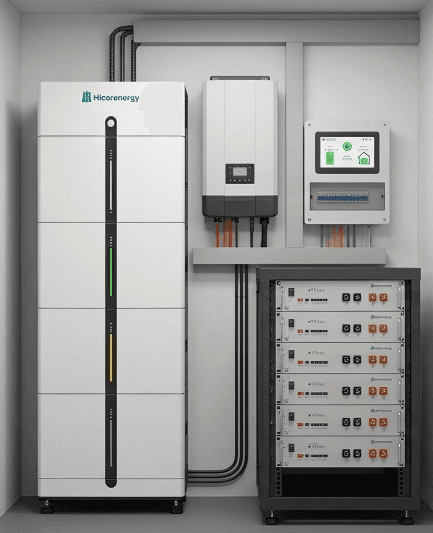
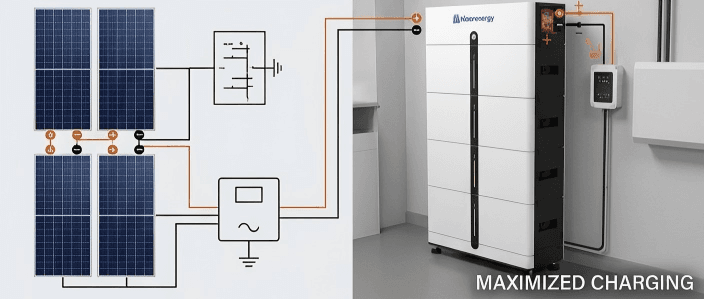
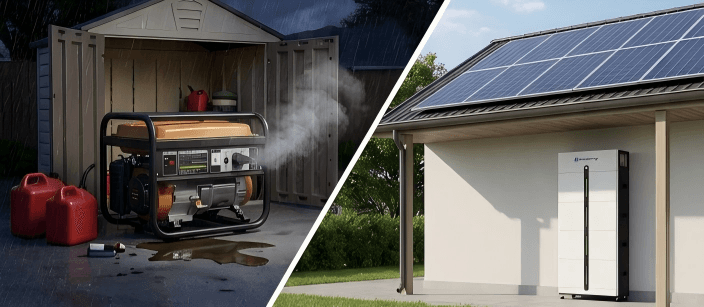
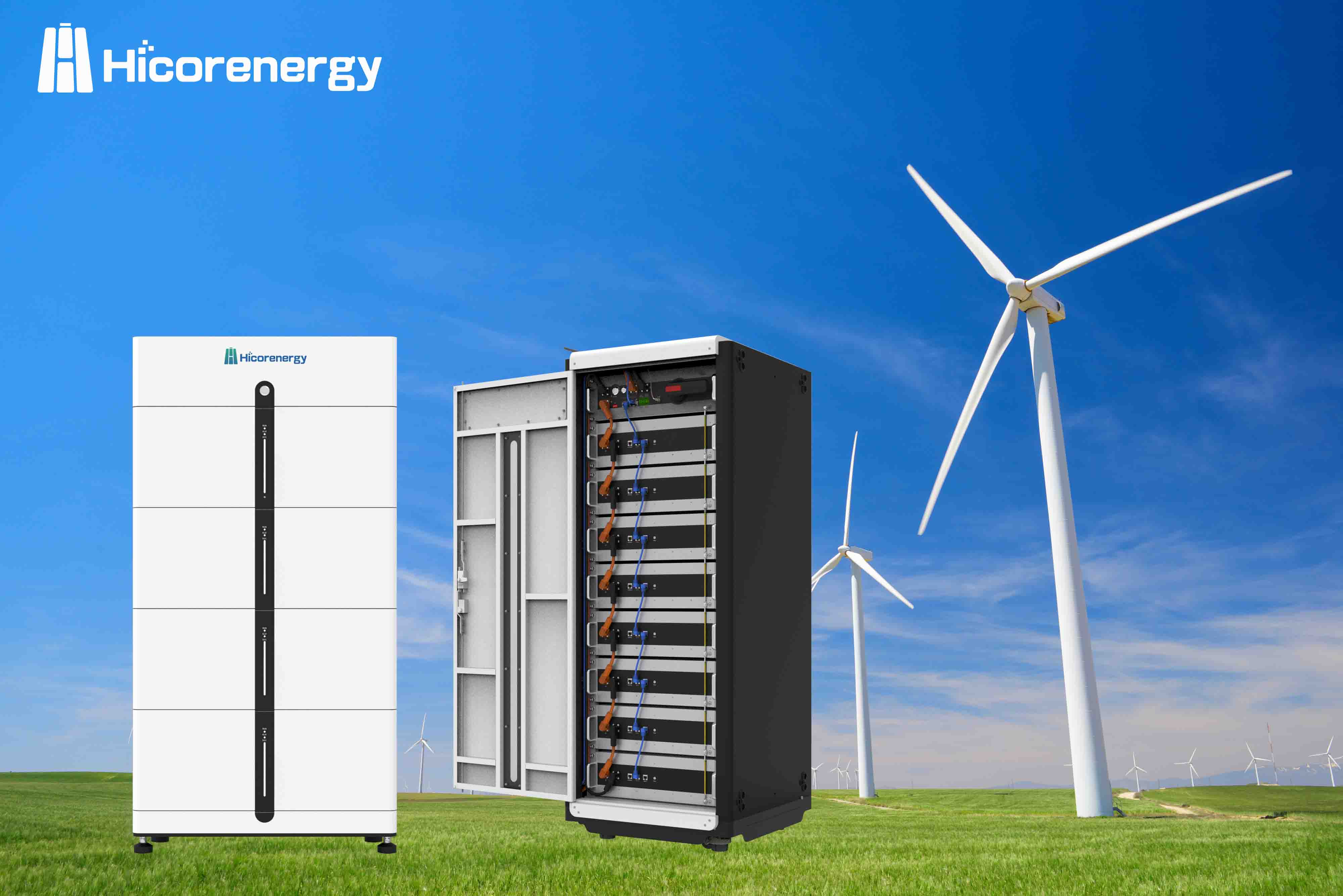
 High Voltage Battery Cabinet technology is revolutionizing large-scale energy management and storage—especially in solar farms and industrial applications. These advanced systems ensure reliable power storage and distribution, meeting the growing global demand for efficient and sustainable energy solutions. As more industries transition to renewables, High Voltage Battery Cabinets have become essential for grid stability, performance optimization, and supporting cleaner energy infrastructure.
The Power of Lithium-ion Battery Storage
Lithium-ion Battery Storage is the backbone of modern energy systems, delivering high energy density and long service life—making it ideal for High Voltage Battery Cabinets. These batteries excel in storing large amounts of power efficiently, a key advantage for integrated solutions like the SHV48100 Solar Power Storage Unit. With lithium-ion technology, users benefit from seamless energy management, reduced waste, and enhanced system reliability. Beyond performance, these systems incorporate built-in safety mechanisms to prevent overheating and other risks, ensuring secure and stable operation even under high-demand conditions.
Why Battery Safety Standards Matter
Adherence to strict Battery Safety Standards is critical in the design and deployment of High Voltage Battery Cabinets. These standards ensure protection against hazards such as electrical fires or chemical leaks through rigorous testing and high-quality materials. Products like the SHV48100 incorporate real-time monitoring and anomaly detection, enabling prompt responses to potential issues. This commitment to safety not only protects equipment and personnel but also strengthens confidence in high-capacity storage systems—making them a trusted choice for solar and renewable energy projects worldwide.
Benefits of High Capacity Battery Storage
High Capacity Battery Storage allows users to store surplus energy from renewable sources and deploy it during peak demand—enhancing grid independence and efficiency. In systems using High Voltage Battery Cabinets, such as the SHV48100, modular and scalable designs enable flexible capacity expansion to match energy needs. This scalability supports cost-effective operation, reduces reliance on traditional power grids, and minimizes environmental impact—all without compromising on performance or reliability.
How High Voltage Protection Cabinets Enhance System Life
High Voltage Protection Cabinets are built to safeguard sensitive battery components against environmental and operational risks. These enclosures often include weatherproofing, advanced thermal management, and corrosion-resistant materials—essential for maintaining system integrity in diverse conditions. Within the framework of Battery Containment Solutions, these cabinets provide an added layer of safety by isolating faults and preventing external contamination. The TitanEco model, for example, combines durability with eco-conscious engineering, supporting high-voltage applications while promoting sustainability.
Advances in Battery Containment Solutions
Modern Battery Containment Solutions have embraced smart technology for real-time monitoring, remote control, and predictive maintenance. These innovations allow operators to optimize the performance of High Capacity Battery Storage systems and respond proactively to changing conditions. In solar energy applications, such as those supported by the SHV48100, these solutions guarantee energy availability—even during low-light periods—helping to build a more resilient and adaptive power grid. As technology evolves, High Voltage Battery Cabinets will continue to integrate seamlessly with renewable infrastructure, accelerating the global shift toward clean and dependable energy.
Join Hicorenergy in embracing solar battery storage and step confidently into a cleaner, greener tomorrow.
Contact us via Email: info@hicorpower.com or WhatsApp: +86 181-0666-3226.