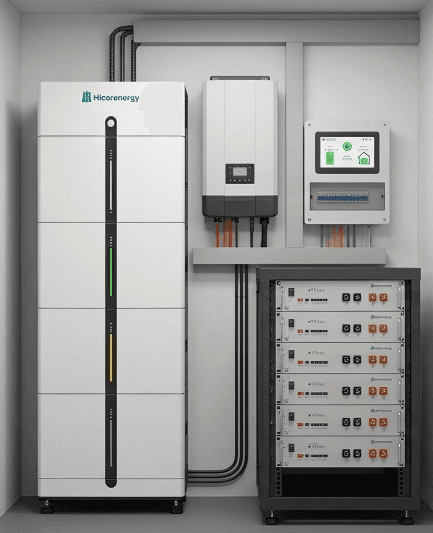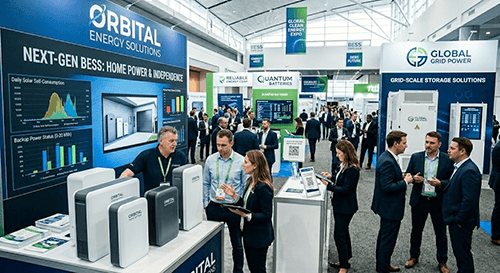
High Voltage Battery Cabinet is rapidly becoming a cornerstone in the evolving landscape of energy storage solutions, as industries worldwide pivot towards more sustainable and efficient power management systems. This trend is driven by the increasing demand for reliable energy storage to support renewable sources like solar and wind, ensuring a stable power supply amidst fluctuating availability. In this article, we delve into the emerging trends shaping the high voltage energy sector, highlighting how innovations like those from Hicorenergy are setting new standards for performance and sustainability.
The Rise of High Voltage Energy Storage in Renewable Integration
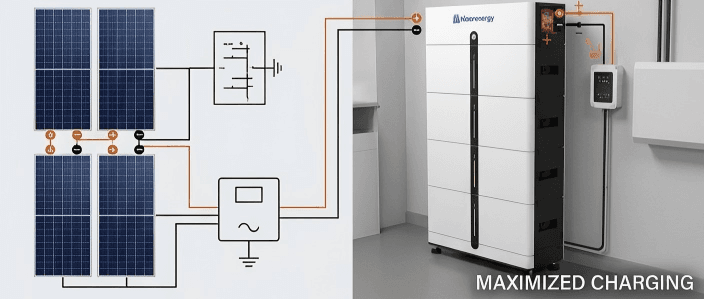
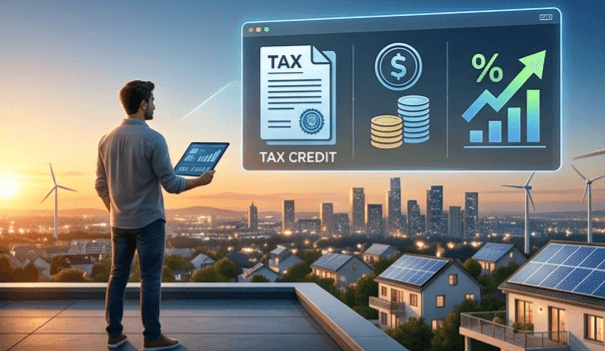
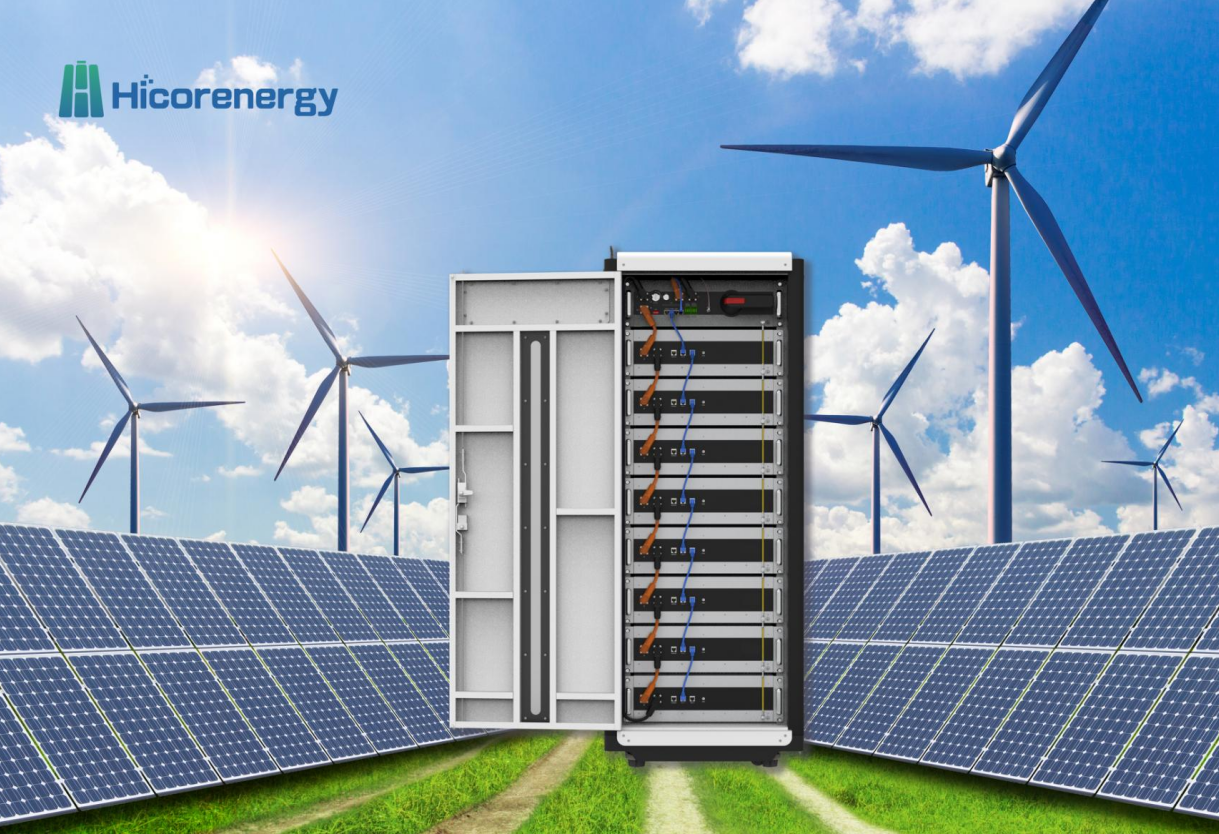
In recent years, high voltage energy storage has emerged as a key trend in the push towards decarbonization and energy independence. As governments and businesses invest heavily in renewable energy infrastructure, the need for robust storage solutions has intensified. High voltage energy storage systems are at the forefront, allowing for the efficient capture and utilization of excess energy generated from sources like solar panels and wind turbines. This technology not only mitigates the intermittency issues associated with renewables but also supports grid stability during peak demand periods. For instance, the Hicorenergy Battery Storage System exemplifies this trend with its modular design, which enables scalable expansion to meet varying energy needs. This adaptability is crucial in a world where energy consumption patterns are shifting rapidly, driven by urbanization and electrification. High voltage battery solutions are not just about storage; they represent a strategic investment in a future where clean energy is paramount, reducing reliance on fossil fuels and lowering carbon footprints.
Innovations in High Voltage Battery Solutions and System Design
Another prominent trend is the advancement in high voltage battery solutions, focusing on safety, efficiency, and integration. High voltage system design is evolving to incorporate smart technologies that optimize energy use, such as advanced management software for real-time monitoring and analytics. This allows users to track and control their systems remotely, enhancing operational efficiency and reducing downtime. High voltage battery protection mechanisms, including safeguards against overcharging and overheating, are becoming standard, ensuring long-term reliability in demanding environments. The Hicorenergy system stands out in this space with its use of top-tier materials and cutting-edge features, making it suitable for homes, businesses, and industrial settings. As the market trends towards more interconnected and intelligent energy systems, products like these are paving the way for smarter grids and personalized energy solutions. This innovation is not only technical but also aligns with broader environmental goals, promoting a circular economy by extending the lifespan of energy storage components.
The Impact of High Voltage Energy Solutions on Future Trends
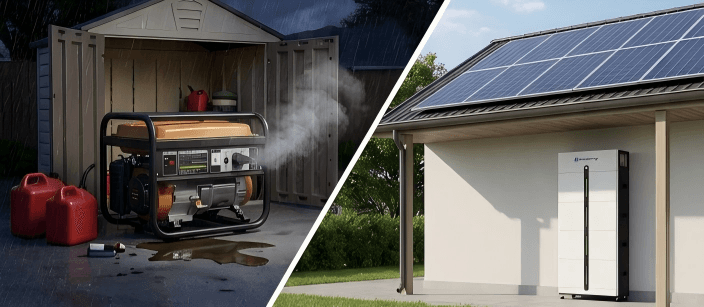
Looking ahead, high voltage energy solutions are poised to influence global energy policies and consumer behaviors significantly. With the acceleration of electric vehicle adoption and the expansion of smart cities, the demand for high voltage battery cabinets is expected to surge. High voltage battery protection and overall system design will play critical roles in making these technologies more accessible and affordable. Companies like Hicorenergy are leading this charge by offering products that combine aesthetic appeal with functional excellence, such as their sleek, compact units that fit seamlessly into modern environments. This trend towards integrated and user-friendly solutions is fostering greater adoption, empowering individuals and organizations to achieve energy independence. As we analyze these developments, it's clear that the synergy between high voltage energy storage and renewable sources will drive the next wave of technological advancements, ultimately contributing to a more sustainable planet. The ongoing innovations in this field underscore the importance of continued research and investment, ensuring that high voltage battery solutions remain at the cutting edge of the energy transition.
High-Voltage vs. Low-Voltage Battery Systems: Key Differences
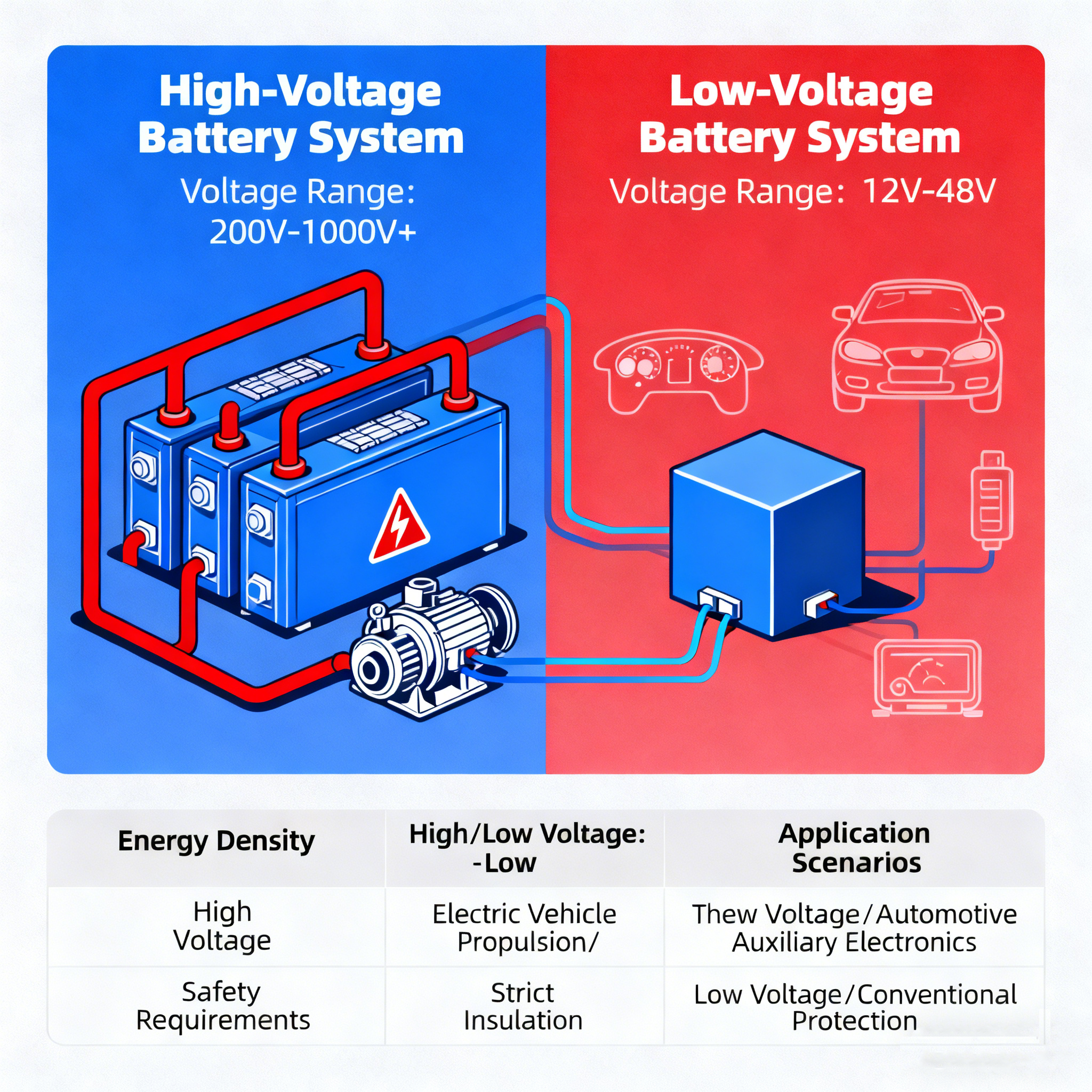
High-voltage batteries and low-voltage batteries differ mainly in system voltage, efficiency, and application scenarios. A High Voltage Battery typically operates at a higher voltage range, enabling lower current during power transmission, which significantly reduces energy loss and heat generation. In contrast, low-voltage batteries require higher current to deliver the same power, leading to greater losses and thicker cabling. As a result, high-voltage systems are better suited for commercial, industrial, and large-scale residential applications, often deployed in a High Voltage Battery Cabinet to ensure integrated safety, compact design, and efficient system management.
What Is the Highest Capacity Battery in the World?
The world’s highest-capacity batteries are grid-scale energy storage systems designed to store hundreds of megawatt-hours (MWh) of electricity. These systems are typically built using modular lithium-ion technology and integrated into containerized or cabinet-based solutions. While exact capacities continue to evolve, modern high-capacity battery projects focus on scalability, safety, and intelligent management. High-voltage architectures play a crucial role in achieving such capacities, as they allow efficient energy aggregation and stable operation across large power networks.
Key Benefits of High-Voltage Batteries
High-voltage batteries offer clear advantages, including higher energy efficiency, faster charging and discharging, and improved system scalability. By reducing current, they minimize cable losses and enhance overall safety. When deployed in a High Voltage Battery Cabinet, these systems benefit from integrated battery management systems (BMS), advanced protection mechanisms, and space-saving designs, making them ideal for peak shaving, backup power, and renewable energy integration.
Join Hicorenergy in embracing solar battery storage and step confidently into a cleaner, greener tomorrow.
Contact us via Email: info@hicorpower.com or WhatsApp: +86 181-0666-3226.