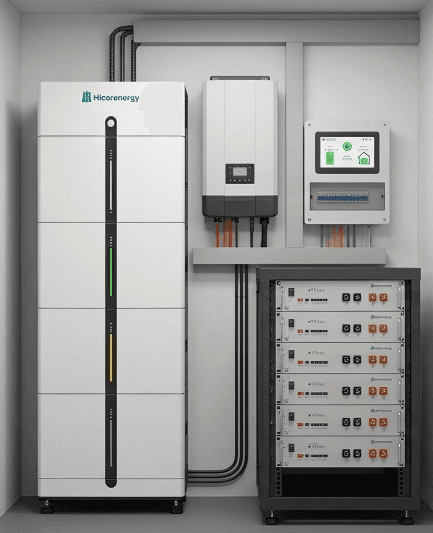
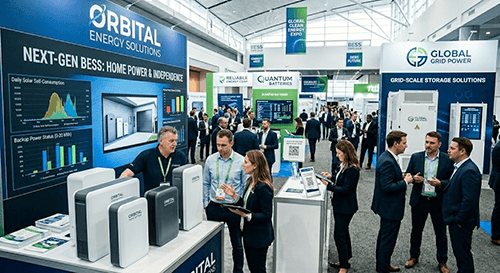
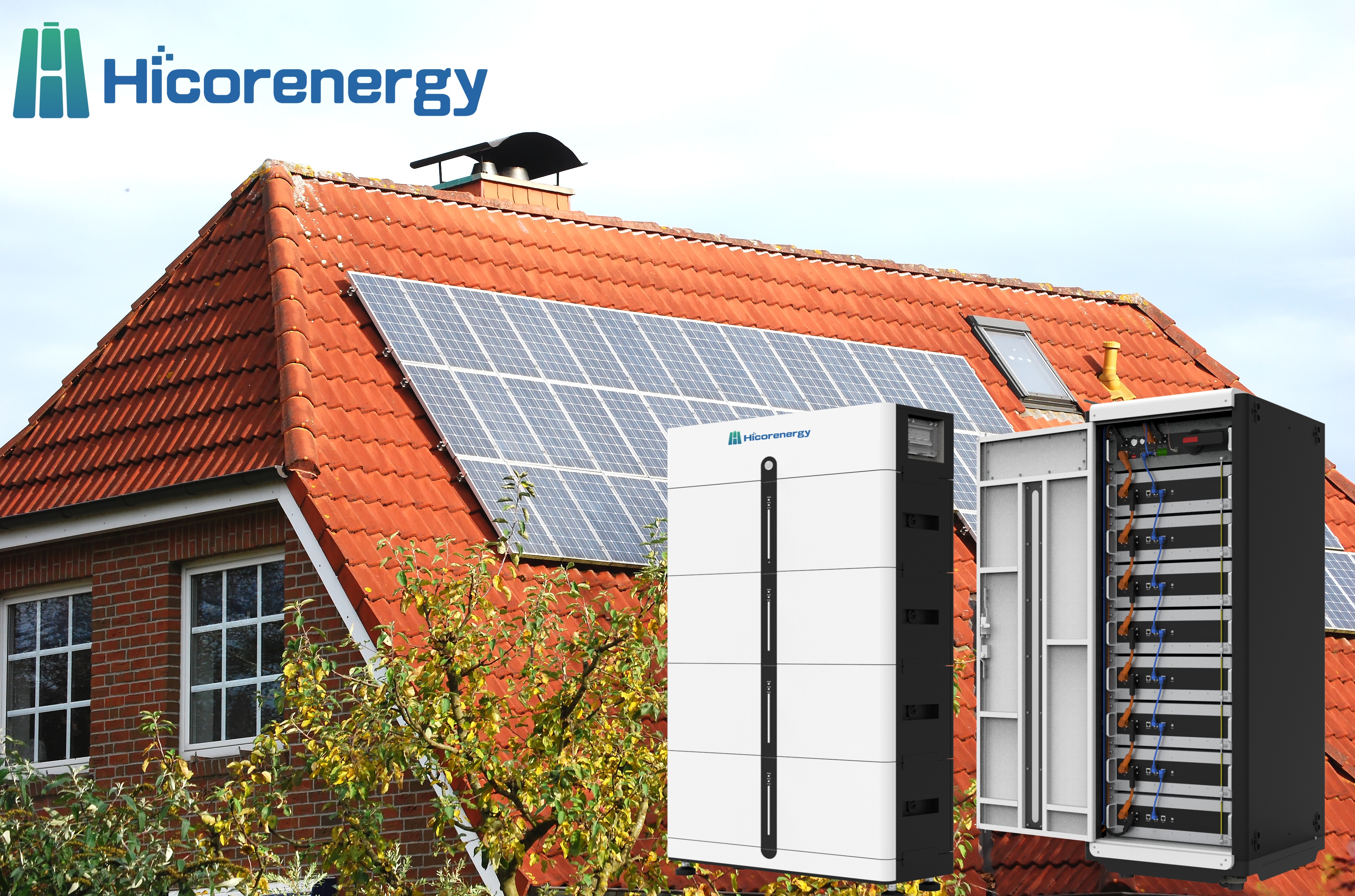
 High Voltage Battery Cabinets are critical components in modern energy storage systems, engineered to deliver reliable performance under high-voltage conditions. These advanced units enhance the efficiency of large-scale energy installations and enable seamless integration with renewable sources such as solar power. In this article, we explore the key features and benefits of High Voltage Battery Cabinets and their role in supporting sustainable, high-performance energy solutions.
The Role of Lithium-ion Battery Storage in Modern Energy Systems
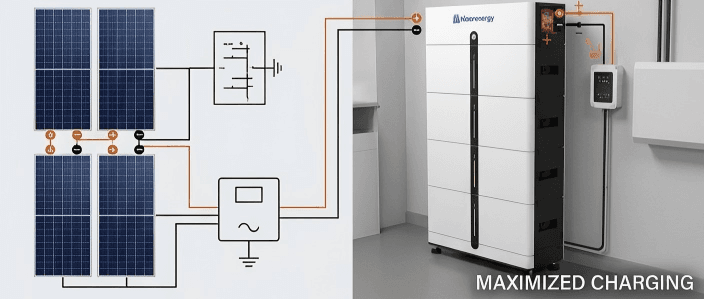
Lithium-ion Battery Storage serves as the core of today’s High Voltage Battery Cabinet systems, offering high energy density, extended cycle life, and versatile application across residential, commercial, and industrial settings. These batteries efficiently store surplus energy generated from renewable sources—such as solar panels—ensuring a continuous power supply during periods of high demand or low generation. For example, in solar energy installations, Lithium-ion Battery Storage captures daytime energy excess for use at night or during cloudy weather, supporting greater energy autonomy and reducing grid dependence. Beyond improving sustainability, this technology helps lower carbon emissions and operational costs. Importantly, all systems comply with strict Battery Safety Standards, incorporating thermal controls, real-time monitoring, and automatic shutdown features to mitigate risks such as overheating or short circuits.
How High Voltage Protection Cabinets Enhance Safety and Performance
High Voltage Protection Cabinets are specifically designed to minimize electrical hazards in high-capacity energy storage environments. Built to meet rigorous Battery Safety Standards, these cabinets feature advanced insulation, continuous system monitoring, and fail-safe mechanisms that protect both equipment and operators. They are ideally suited for High Capacity Battery Storage, delivering reliable power backup in demanding settings such as manufacturing plants, data centers, and off-grid sites. In remote areas, these systems maintain stable energy supply, reducing interruptions and improving cost-efficiency. Furthermore, integrated Battery Containment Solutions provide an additional safety layer by preventing leaks and containing potential battery failures, thereby extending system lifespan and ensuring operational integrity.
Advances in Battery Containment Solutions for Scalable Storage
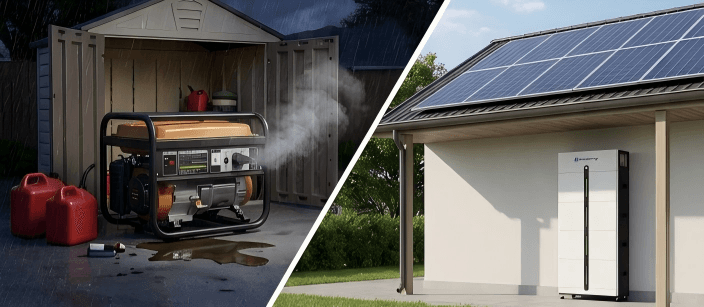
Recent innovations in Battery Containment Solutions have significantly improved the safety and adaptability of High Voltage Battery Cabinets. These solutions include durable, weather-resistant enclosures that protect battery systems from environmental challenges such as humidity, dust, and extreme temperatures. Such protection is essential for maintaining the performance and longevity of High Capacity Battery Storage systems, which can be scaled to fit a wide range of applications—from local microgrids to large industrial energy parks. With the integration of smart technologies like remote monitoring and predictive maintenance alerts, these cabinets help prevent issues before they arise, maximizing system availability and safety. Together, these advancements make the High Voltage Battery Cabinet a cornerstone of dependable, clean energy storage—paving the way for a more resilient and sustainable energy future.
Join Hicorenergy in embracing solar battery storage and step confidently into a cleaner, greener tomorrow.
Contact us via Email: info@hicorpower.com or WhatsApp: +86 181-0666-3226.