 In today's digitally-driven world, an uninterrupted power supply is not a luxury; it is a fundamental requirement for homes and businesses alike. From critical data centers to essential home medical equipment, the reliance on stable electricity is absolute. This makes the implementation of robust Backup Power Systems a crucial consideration for ensuring continuity and security. As grid infrastructure ages and extreme weather events become more common, the need for reliable, on-site power solutions has evolved from simple contingency planning to a strategic necessity, paving the way for advanced technologies that go far beyond traditional methods.
Exploring Traditional Standby Generators
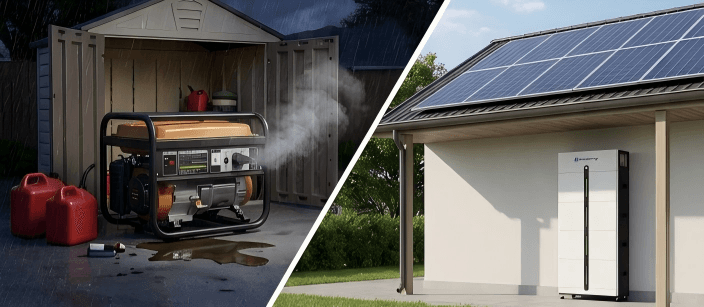
For many years, the go-to solution for power outages has been Standby Generators. These systems, typically powered by diesel, natural gas, or propane, automatically detect a loss of grid power and start up to supply electricity to a building's circuits. They have proven their worth in countless emergency situations, providing a lifeline for critical operations. However, ensuring their proper and safe operation requires professional Generator Installation Services, a step that involves complex electrical work, adherence to local codes, and proper fuel line integration. While effective, these generators come with inherent limitations, including routine maintenance requirements, operational noise, fuel storage logistics, and the environmental impact of their emissions.
The Rise of Advanced Energy Storage Systems
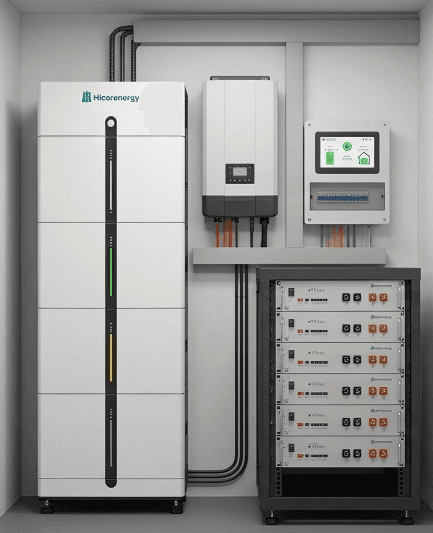
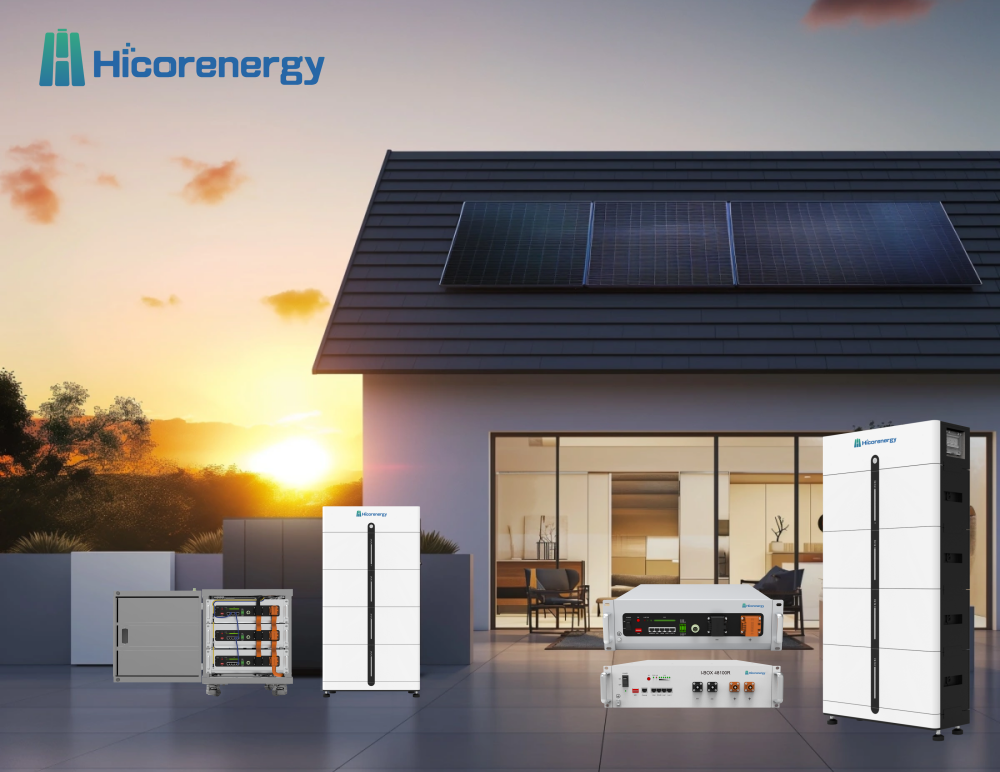
The technological landscape of backup power is rapidly shifting towards more sophisticated and sustainable solutions. Modern Energy Storage Systems (ESS) represent the pinnacle of this evolution, offering a silent, emission-free, and highly efficient alternative. A prime example is the HiCore system, which showcases a modular and intelligent design. This system typically includes a robust Energy Storage Cabinet to house advanced battery modules, featuring precision cooling and management systems for peak performance. Its modular, stackable structure allows users to easily scale their energy capacity to meet growing demands without a large footprint. Unlike generators, these systems provide instantaneous power transfer, ensuring that sensitive electronics are never exposed to a power interruption.
The Critical Role of Inverter Chargers
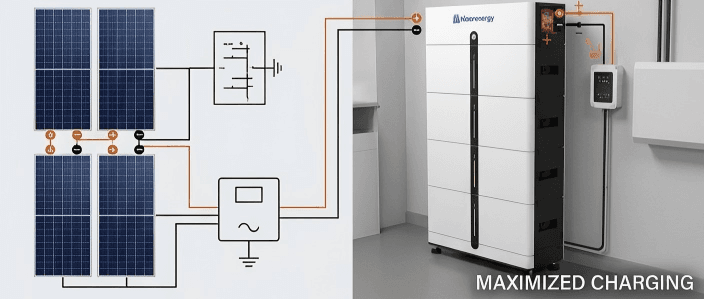
At the core of any modern ESS is the intelligent control unit, often a sophisticated combination of Inverter Chargers. This device is the brain of the operation, managing the two-way flow of electricity with precision. It converts the direct current (DC) power stored in the battery banks into the alternating current (AC) power that appliances and electronics use. Simultaneously, it manages the charging of the batteries, drawing power from the grid or from renewable sources like solar or wind turbines. The HiCore Energy Interface Module exemplifies this role, serving as the central hub that seamlessly manages power inputs and outputs. This ensures that energy is distributed efficiently, stored safely, and deployed instantly when needed, providing users with complete control and visibility over their energy ecosystem.
Advanced Applications: Peak Shaving Solutions
The capabilities of an advanced ESS extend far beyond simple backup. They are powerful tools for intelligent energy management, enabling strategies like Peak Shaving Solutions. During periods of high demand, utility companies often charge significantly higher rates for electricity. An ESS can be programmed to discharge stored energy during these peak hours, supplying the building's needs from the battery instead of the expensive grid. This reduces the facility's overall energy costs and lessens the strain on the public utility infrastructure. This functionality transforms the system from a passive insurance policy into an active asset that delivers a tangible return on investment, making it an economically smart choice for commercial and industrial applications.