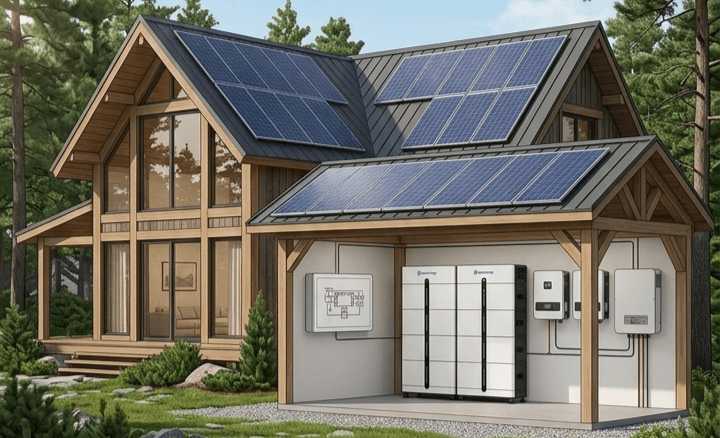
Embracing an off-grid lifestyle offers unparalleled freedom and energy independence. The cornerstone of this self-sufficiency is a reliable off-grid energy storage system, which allows you to capture and save power generated from various sources. Whether you are looking to power a remote cabin, reduce your reliance on the public grid, or ensure an uninterrupted power supply, understanding how to set up your system is the first step. This guide will walk you through the essential components and considerations for building your own robust power solution, leveraging modern renewable energy solutions to achieve your goals.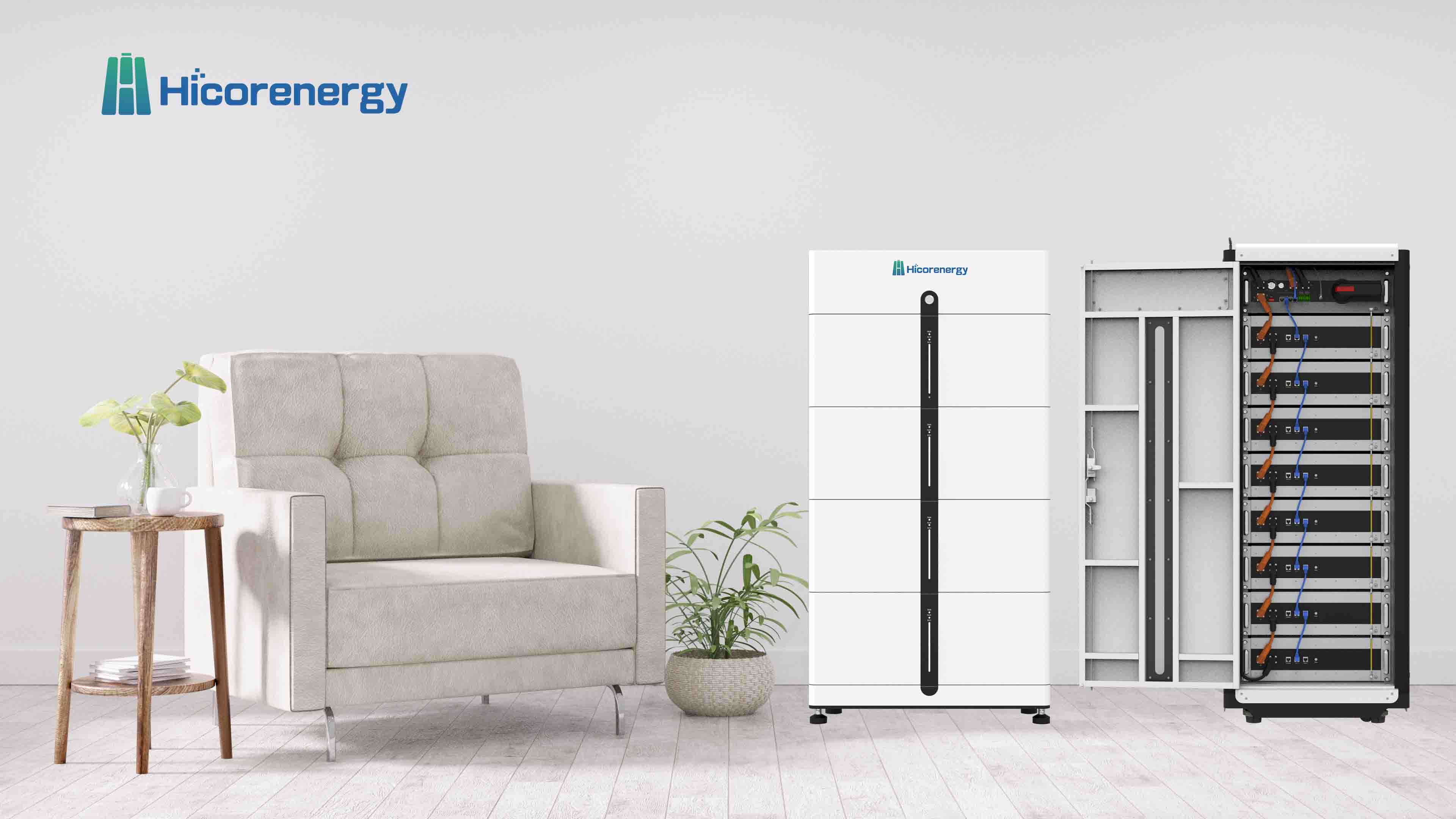
Understanding Your Off-Grid Power Needs
Before you can build your system, you must first assess your energy consumption. Start by making a list of all the appliances and devices you plan to power. Note their wattage and the estimated number of hours you will use them each day. This calculation will give you a total daily energy need, measured in kilowatt-hours (kWh). This figure is crucial as it determines the size of your solar array and the capacity of your battery bank. For many, off-grid solar systems are the most practical and popular choice for power generation due to their declining costs and increasing efficiency. These systems capture sunlight during the day, and any excess energy not used immediately is stored for use at night or on cloudy days, making a dependable storage solution essential.
Choosing the Right Battery Storage Systems
The heart of any off-grid setup is its battery storage systems. This component stores the electricity generated by your solar panels or other renewable sources, making it available whenever you need it. When selecting a battery, you need to consider its capacity (measured in kWh), depth of discharge (DoD), lifespan (cycle count), and safety features. Lithium-ion batteries have become a leading choice due to their high energy density, long life, and efficiency. A well-chosen battery ensures you have consistent power, even when your energy generation source is not active, providing true energy security for your home.
Advanced Features in Modern Home Energy Storage
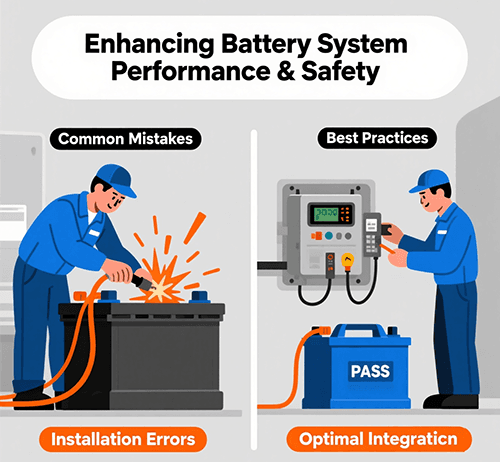
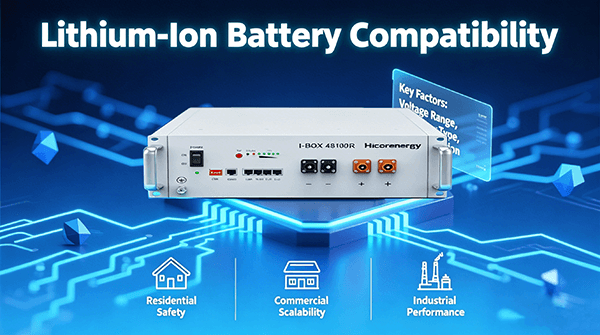
Modern home energy storage solutions come with advanced features that enhance usability and safety. For instance, a high-quality system like the I-BOX 48100R showcases what to look for. It features a clear display with LED indicators for operation status (RUN), system alerts (ALM), and state of charge (SOC), so you always know your system's performance at a glance. Essential communication ports like CAN and RS485 allow for intelligent monitoring and integration into smart home systems. Safety is also paramount, with robust grounding terminals and clearly marked positive and negative terminals to prevent installation errors. These features make managing your off-grid energy storage simpler and safer.
A Simple Guide to Setting Up Your System
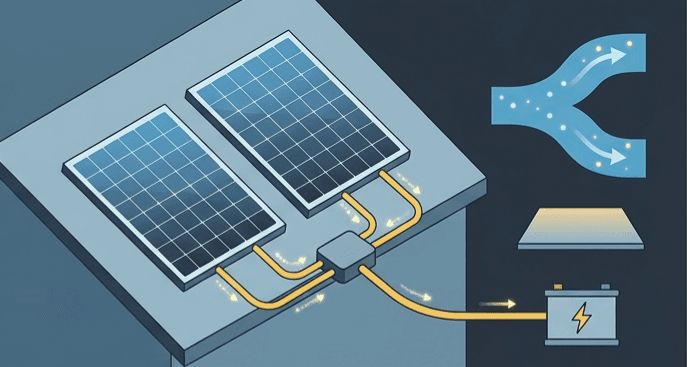
Once you have your components, setting up the system follows a logical path. First, install your chosen renewable energy source, such as the panels for off-grid solar systems. Next, connect the generator to a charge controller, which regulates the power flowing into your batteries to prevent overcharging. From the charge controller, you connect to your battery bank. An inverter is then connected to the batteries to convert the stored DC power into AC power that your appliances can use. Always prioritize safety and consider hiring a professional for installation, as working with electricity can be dangerous. Proper installation ensures your system runs efficiently and safely for years to come.
Scaling Up: Energy Storage for Larger Applications
While many people associate off-grid power with residential use, the technology is fully scalable for commercial and industrial needs. For larger operations that require more power, advanced units like the Si Station 230 are available. These larger battery storage systems are designed for high-demand environments, offering features like an emergency stop button for immediate shutdown and clear diagnostic indicators for power, operation, alarms, and faults. Such robust solutions can manage peak loads, balance energy supply, and provide critical backup power, proving that renewable energy solutions are viable for businesses of any size looking to achieve energy independence and operational stability.