As the world transitions towards renewable energy sources like solar and wind, the need for reliable and efficient energy storage has become paramount. High-capacity battery systems are at the heart of this revolution, but they face a significant challenge: heat generation. To ensure optimal performance, safety, and longevity, advanced thermal management is essential, bringing innovative solutions like the Liquid Cooling Battery Cabinet to the forefront of the industry.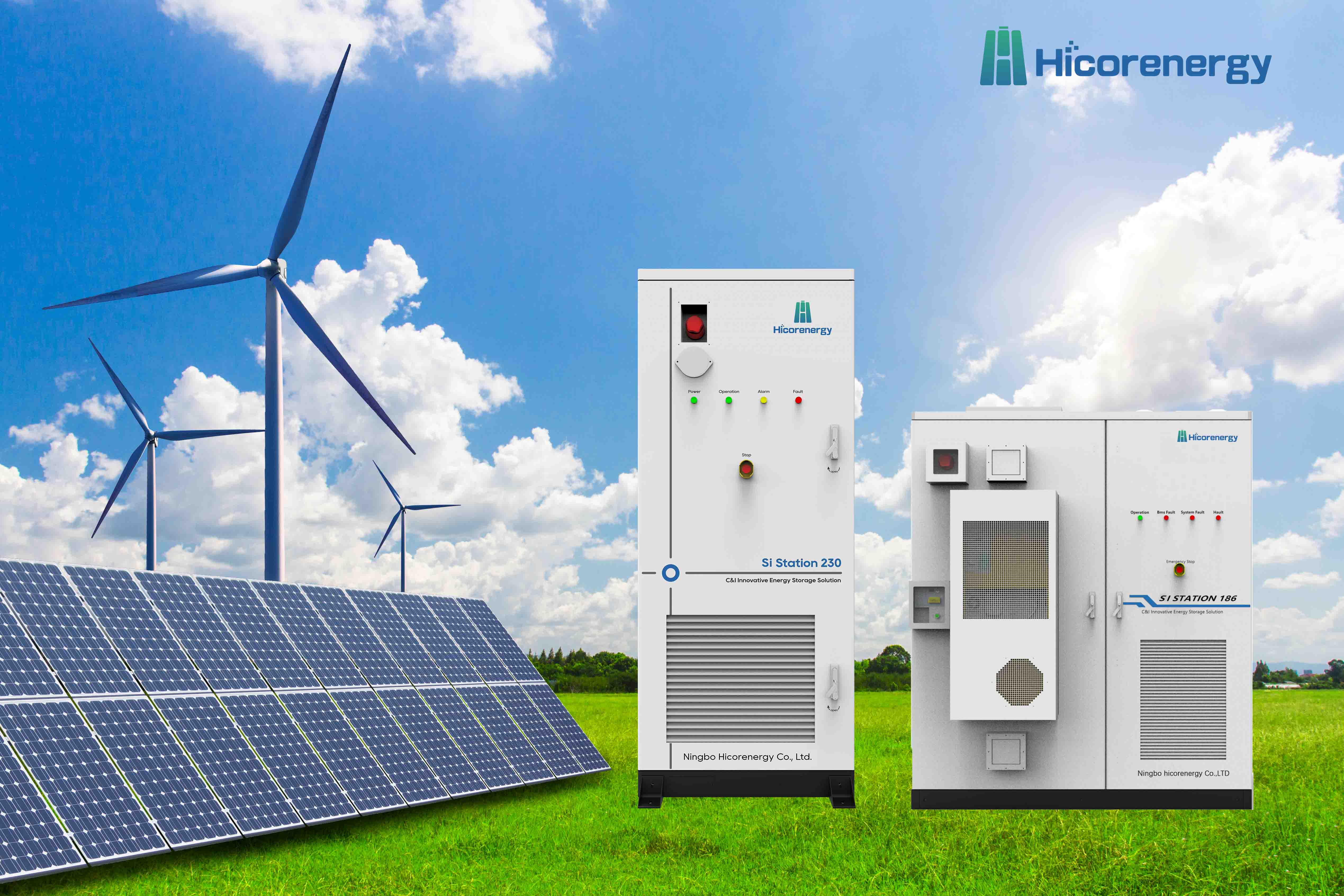
The Critical Role of Battery Cabinet Cooling Technology
High-density lithium-ion battery packs, while powerful, generate considerable heat during charging and discharging cycles. If this heat is not managed effectively, it can lead to a host of problems. Elevated temperatures accelerate battery degradation, reducing its overall lifespan and capacity. In more extreme cases, it can trigger thermal runaway, a dangerous condition that poses significant safety risks. This is where advanced Battery Cabinet Cooling Technology becomes indispensable. Traditional air-cooling methods often struggle to keep up with the demands of modern, densely packed battery modules. They can be inefficient and result in uneven temperature distribution, creating hot spots that degrade individual cells faster than others. Effective cooling is not just a feature; it is a fundamental requirement for any high-performance energy storage solution.
Advantages of Liquid Cooled Battery Systems
In the quest for superior thermal management, Liquid Cooled Battery Systems have emerged as a far more effective solution compared to their air-cooled counterparts. This technology circulates a coolant through a network of pipes or plates that are in direct or close contact with the battery modules. This method offers significantly higher thermal conductivity, allowing it to absorb and dissipate heat much more efficiently. The result is a more uniform temperature across all battery cells, which is crucial for maximizing the system's lifespan and maintaining consistent performance. Furthermore, because liquid cooling is so efficient, it enables designers to create more compact and energy-dense battery cabinets. This leads to space savings and allows for the deployment of more powerful systems in smaller footprints, a key advantage for both residential and commercial installations.
Unlocking Full Potential with Advanced Enclosures
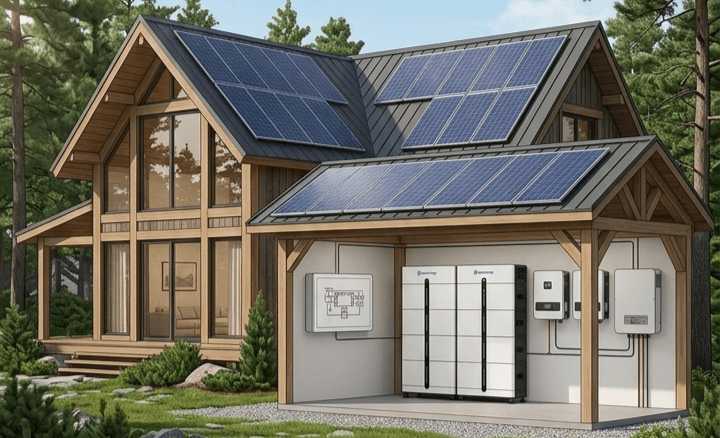
For companies like Hicorenergy, which specialize in cutting-edge, high-density modular battery systems, leveraging superior thermal management is key to delivering on their promise of performance and reliability. The sophisticated energy solutions they provide are designed for seamless integration and optimal energy retention. Housing these advanced modules within a Liquid Cooling Battery Cabinet ensures that they operate within their ideal temperature range, regardless of external conditions or heavy usage. This synergy between advanced cell technology and superior cooling unlocks the full potential of the storage system, guaranteeing the longevity, safety, and efficiency that consumers expect. An advanced enclosure like a Liquid Cooling Battery Cabinet provides the stable internal environment necessary for Hicorenergy’s sophisticated power electronics and high-density cells to function flawlessly for years to come.
Pioneering a Cooler, More Sustainable Future
As we continue to embrace renewable energy, the technology behind energy storage must evolve in tandem. The shift towards more powerful and compact solutions necessitates a parallel advancement in thermal management. Liquid Cooled Battery Systems represent a major step forward, offering the safety, efficiency, and durability required to support a modern energy grid. By ensuring that battery assets are protected from the damaging effects of heat, this technology paves the way for wider adoption of clean energy, empowering homes and businesses to transition smoothly into a sustainable future. Innovations in this space are crucial for building a reliable and resilient energy infrastructure for generations to come.