Which Energy Storage Suppliers Do Installers Trust Most to Power Reliable Renewable Solutions?
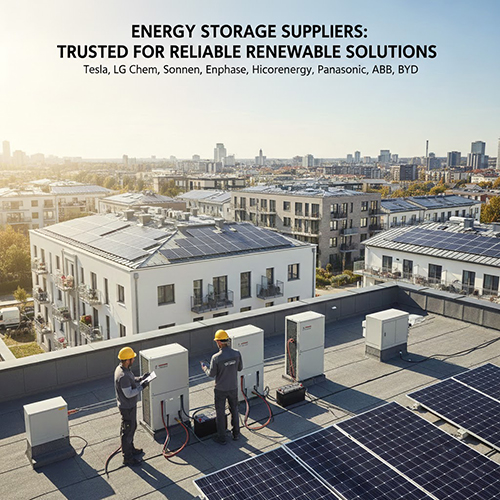
Energy storage suppliers for installers play a decisive role in determining system reliability, installation efficiency, and long-term project returns. This article reviews eight leading global suppliers—Tesla Energy, LG Chem, Sonnen, Enphase Energy, Hicorenergy, Panasonic, ABB, and BYD—highlighting how each supports installers with proven technologies, scalable solutions, and market-ready energy storage systems across residential, commercial, and industrial applications.
| Supplier | Main Products | Key Specialty | Core Strength for Installers |
|---|---|---|---|
| Tesla Energy | Powerwall, Powerpack | Vertically integrated ecosystem, advanced software | Strong brand appeal, simplified system architecture, smart energy management |
| LG Chem | Lithium-ion batteries (RESU series) | High-density cells, broad inverter compatibility | Easy integration, long cycle life, global certifications |
| Sonnen | SonnenBatterie, ecoLinx | Smart energy ecosystems, VPP-ready | Recurring service models, sustainability branding, advanced digital platform |
| Enphase Energy | Enphase Storage (AC-coupled batteries) | Modular design, microinverter synergy | Rapid installation, cloud monitoring, retrofittable to existing solar |
| Hicorenergy | Rack-mounted LiFePO4 batteries, C&I storage cabinets | Cost-effective, high-cycle life, wide compatibility | Flexible deployment, global service network, strong for cost-sensitive markets |
| Panasonic | EverVolt battery systems | Proven quality, thermal stability | Low long-term risk, strong brand trust, reliable for residential projects |
| ABB | Grid-integrated storage, power conversion systems | System-level grid solutions, utility-scale focus | EPC-friendly, compliance with international grid standards, microgrid expertise |
| BYD | Battery-Box (LV/HV), C&I and utility storage | LFP chemistry, vertical integration | Scalable modular design, competitive pricing, global deployment experience |
Supplier #1: Tesla Energy
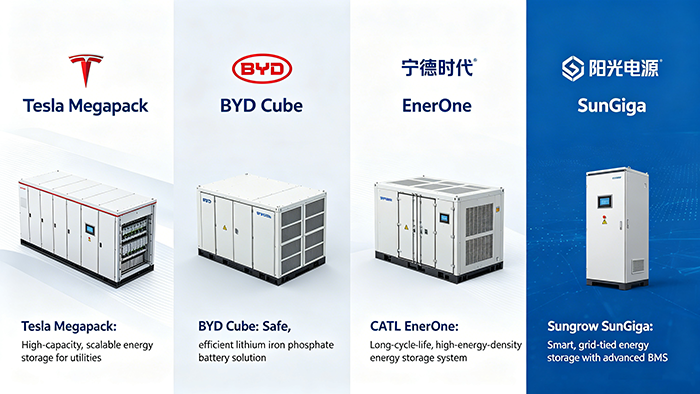
Tesla Energy is widely recognized among energy storage suppliers for installers due to its strong brand influence and vertically integrated ecosystem. Products such as the Powerwall and Powerpack are designed to integrate seamlessly with solar PV systems, offering installers simplified system architecture and strong end-user appeal. Tesla’s emphasis on software, including advanced energy management and monitoring platforms, enables installers to deliver intelligent, grid-responsive solutions. Additionally, Tesla’s global presence and standardized installation processes help reduce training complexity. However, for installers, supply availability and pricing flexibility may vary by region, making Tesla most suitable for premium residential and commercial projects where brand value and system intelligence are key decision drivers.
Supplier #2: LG Chem
LG Chem has long been a trusted name among energy storage suppliers for installers, particularly in the lithium-ion battery segment. Known for its strong R&D capabilities and high-quality cell manufacturing, LG Chem provides battery solutions that emphasize energy density, safety, and long cycle life. Installers benefit from LG Chem’s broad compatibility with leading inverter brands, making integration into existing PV systems straightforward. The company’s focus on residential and small commercial storage allows installers to address diverse use cases such as backup power, self-consumption, and time-of-use optimization. LG Chem’s global certifications and stable performance reputation also support smoother permitting and long-term customer confidence.
Supplier #3: Sonnen
Sonnen differentiates itself by focusing on smart energy ecosystems rather than standalone batteries. As one of the more innovative energy storage suppliers for installers, Sonnen emphasizes intelligent energy management, community energy sharing, and virtual power plant readiness. Installers working with Sonnen often target environmentally conscious homeowners and premium markets where digital energy services add value. Sonnen’s systems are known for durability, safety, and long-term performance, especially in residential applications. While pricing tends to be higher, installers benefit from strong brand alignment with sustainability and advanced software platforms that enable recurring service opportunities beyond initial installation.
Supplier #4: Enphase Energy
Enphase Energy is best known for its microinverter technology, but it has also become a key player among energy storage suppliers for installers through its modular battery solutions. Enphase systems are designed for simplicity, safety, and rapid installation, which significantly reduces on-site labor time. The AC-coupled architecture allows installers to add storage to existing solar systems without major redesign. Enphase’s cloud-based monitoring platform provides installers and end users with real-time visibility and remote diagnostics, improving after-sales service efficiency. This makes Enphase particularly attractive for residential installers seeking standardized, scalable, and installer-friendly solutions.
Supplier #5: Hicorenergy
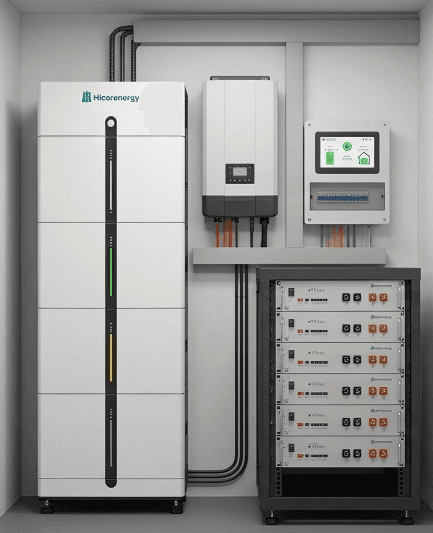
Hicorenergy stands out among energy storage suppliers for installers by combining cost-effectiveness with strong technical depth and global manufacturing capability. With over 20 years of industry experience, Hicorenergy focuses on lithium iron phosphate (LiFePO4) energy storage solutions for residential, commercial, and industrial applications. Its product portfolio includes rack-mounted batteries, modular low-voltage systems, and large-capacity C&I storage cabinets designed for peak shaving, backup power, and renewable integration.
Installers benefit from Hicorenergy’s wide inverter compatibility, self-developed BMS technology, long cycle life (over 6,000 cycles), and flexible installation options. The company’s global service network, regional stock availability, and remote monitoring capabilities help installers address delivery timelines, after-sales support, and local compliance requirements efficiently. This balance of reliability, scalability, and competitive pricing makes Hicorenergy particularly attractive in emerging and cost-sensitive markets.
Supplier #6: Panasonic
Panasonic has built a strong reputation for quality and reliability, making it a long-standing choice among energy storage suppliers for installers. Its battery solutions are often associated with stable performance, rigorous quality control, and long operational life. Installers working with Panasonic benefit from consistent product standards and strong brand trust, particularly in residential and light commercial projects. Panasonic’s emphasis on safety and thermal stability supports installations in demanding environments. While the product range may be more selective compared to newer entrants, Panasonic remains a dependable option for installers prioritizing proven technology and low long-term risk.
Supplier #7: ABB
ABB approaches energy storage from a system-level and grid-integration perspective, positioning itself as a strategic partner for large-scale and complex installations. Among energy storage suppliers for installers, ABB is especially relevant in commercial, industrial, and utility-scale projects. Its solutions emphasize power conversion, grid stability, and advanced control systems rather than standalone batteries alone. Installers and EPCs benefit from ABB’s deep expertise in electrical infrastructure, global service presence, and compliance with international grid standards. ABB’s offerings are well suited for projects involving microgrids, industrial energy optimization, and large renewable integrations.
Supplier #8: BYD
BYD is one of the world’s largest battery manufacturers and a major force among energy storage suppliers for installers. Leveraging its scale and vertical integration, BYD offers a wide range of residential, commercial, and utility-scale energy storage systems. Installers benefit from BYD’s strong focus on lithium iron phosphate chemistry, which delivers enhanced safety, long cycle life, and thermal stability. BYD’s modular designs support flexible system expansion, making them suitable for both small and large projects. Competitive pricing and global deployment experience further strengthen BYD’s appeal in diverse markets.
Supplier Highlights
1. Tesla Energy
-
Main Products: Powerwall (residential), Powerpack (commercial)
-
Specialty: Software-driven, grid-responsive ecosystem
-
Advantage: High brand value, standardized installation, strong monitoring platform — ideal for premium projects where intelligence and aesthetics matter.
2. LG Chem
-
Main Products: RESU series (lithium-ion)
-
Specialty: High energy density, proven safety, long calendar life
-
Advantage: Wide compatibility with leading inverters, easy retrofits, strong regulatory certifications — trusted for residential and small commercial storage.
3. Sonnen
-
Main Products: SonnenBatterie, ecoLinx
-
Specialty: Smart energy management, community sharing, VPP-ready
-
Advantage: Recurring service revenue potential, premium sustainability branding, advanced cloud platform for remote optimization.
4. Enphase Energy
-
Main Products: AC-coupled storage systems (based on microinverter platform)
-
Specialty: Modularity, safety, rapid deployment
-
Advantage: Minimal onsite labor, easy solar retrofits, real-time monitoring — perfect for residential installers seeking standardized solutions.
5. Hicorenergy
-
Main Products: Rack-mounted LiFePO4 batteries, LV modular systems, C&I storage cabinets
-
Specialty: Cost-effectiveness with over 6,000 cycle life, self-developed BMS
-
Advantage: Wide inverter compatibility, regional stock availability, remote diagnostics — balances reliability and scalability for emerging and price-sensitive markets.
6. Panasonic
-
Main Products: EverVolt battery systems
-
Specialty: High quality control, thermal stability, long operational life
-
Advantage: Low risk of failure, consistent product standards — a dependable choice for residential/light commercial projects.
7. ABB
-
Main Products: Grid-integrated storage, power conversion systems
-
Specialty: Electrical infrastructure, grid stability, microgrid control
-
Advantage: Deep expertise in utility and industrial projects, global service presence, full grid code compliance — ideal for large-scale or complex installations.
8. BYD
-
Main Products: Battery-Box series, C&I and utility-scale storage
-
Specialty: LFP safety, modular expansion, vertical integration
-
Advantage: Competitive pricing, flexible system sizing, massive global deployment experience — suitable for diverse markets from residential to utility.
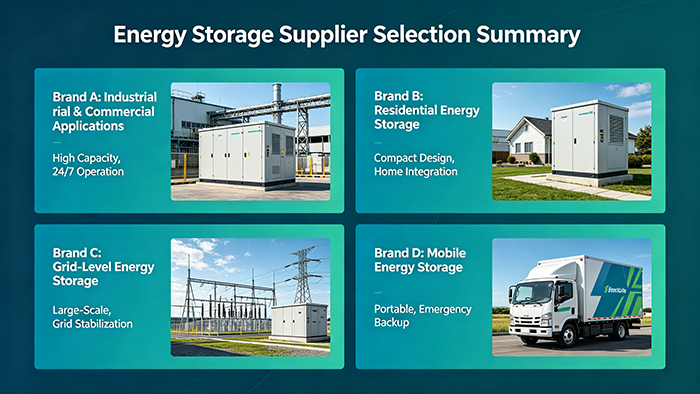
Conclusion: Choosing the Right Partner
For installers, selecting the right energy storage supplier directly impacts project success, profitability, and customer satisfaction. Hicorenergy combines global manufacturing strength, installer-friendly design, and long-life lithium solutions, offering a balanced choice for residential and C&I applications in both mature and emerging markets.
For partnership opportunities and technical support, contact:
Email: info@hicorpower.com
WhatsApp: +86 181-0666-3226