Energy Storage Installers are facing a tightening Battery Cell Supply in 2026, driven by surging global demand and constrained production capacity. To maintain profitability, installers must adopt proactive procurement strategies, diversify suppliers, and strengthen partnerships. This article outlines practical steps to ensure stable deliveries while minimizing cost pressures and operational risks.
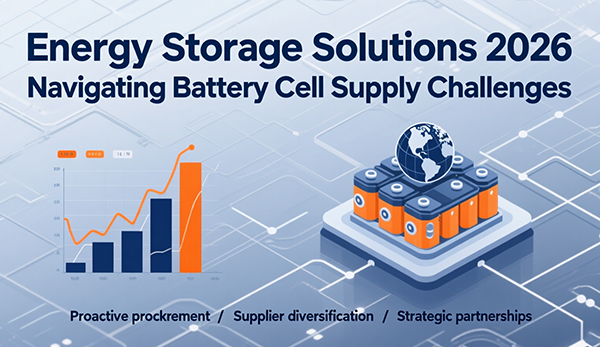
Understanding the 2026 Energy Storage Cell Capacity Shortfall: What Installers Need to Know
The global Battery Cell Supply is expected to face significant pressure in 2026 due to the rapid expansion of renewable energy projects and electric vehicle adoption. Energy Storage Installers are increasingly competing with automotive and industrial sectors for limited cell production capacity. This imbalance is further intensified by raw material constraints and geopolitical factors affecting supply chains. As a result, installers must recognize that traditional procurement cycles are no longer sufficient. Early planning, supplier evaluation, and long-term collaboration are becoming essential to ensure consistent access to battery cells and avoid project delays.
The Impact of Extended Delivery Times: How Installers Can Navigate 3+ Month Delays
Extended lead times of three months or more are becoming common across the energy storage industry. For Energy Storage Installers, these delays directly impact project timelines, customer satisfaction, and cash flow. Installers must adapt by incorporating longer procurement cycles into project planning and maintaining transparent communication with clients. Additionally, working with suppliers that offer localized inventory and responsive service networks can significantly reduce uncertainty. Flexible project scheduling, buffer stock strategies, and selecting partners with global manufacturing and logistics capabilities are critical to navigating prolonged delivery timelines without compromising business performance.
Implementing Smart Forecasting and Demand Planning to Minimize Stockouts and Overstock
Accurate forecasting is no longer optional for Energy Storage Installers—it is a core competitive advantage. By analyzing historical demand, market trends, and seasonal fluctuations, installers can better align procurement with actual needs. Smart demand planning helps prevent both stockouts, which delay projects, and overstock, which ties up capital. Leveraging digital tools and maintaining close communication with distributors enhances visibility across the supply chain. This proactive approach not only stabilizes Battery Cell Supply but also improves operational efficiency, enabling installers to respond quickly to changing market conditions while maintaining healthy profit margins.
Stockpiling Strategies for Energy Storage Distributors: Ensuring a Steady Supply of Cells
Industry insights from authoritative sources such as Solar Power World highlight that strategic stockpiling is becoming a standard practice in the energy storage supply chain. Energy Storage Installers and distributors are increasingly building safety stock to mitigate supply disruptions. However, effective stockpiling requires balance. Excess inventory can lead to increased storage costs and potential technology obsolescence, while insufficient stock risks project delays. Installers should focus on high-turnover battery models and prioritize cells with stable demand. Coordinating stock levels with reliable suppliers and aligning inventory strategies with project pipelines ensures a steady Battery Cell Supply without unnecessary financial burden.
Multi-Brand Inventory Preparation: Why Diversifying Your Battery Supply is Crucial in 2026
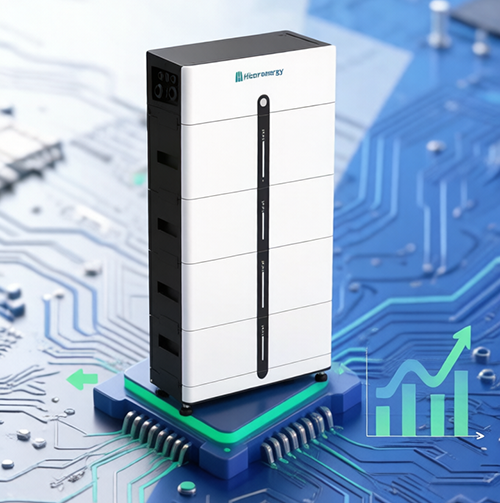
Relying on a single supplier is a growing risk in the current market environment. Energy Storage Installers must adopt a multi-brand sourcing strategy to safeguard against supply disruptions. Diversifying Battery Cell Supply allows installers to remain flexible when one supplier faces delays or shortages. It also provides opportunities to compare performance, pricing, and compatibility across different products. However, diversification should be carefully managed to ensure technical consistency and system compatibility. Establishing standardized specifications and working with suppliers that offer broad compatibility with major inverters can simplify integration while maintaining supply resilience.
How Long-Term Procurement Agreements Can Safeguard Energy Storage Installers from Supply Chain Disruptions
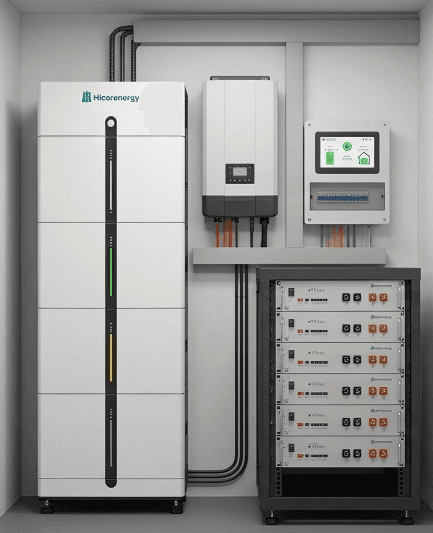
Long-term procurement agreements are becoming a key strategy for securing Battery Cell Supply. By committing to volume agreements with trusted manufacturers, Energy Storage Installers can lock in production capacity and stabilize pricing. Hicorenergy, with over 20 years of industry expertise, offers reliable lithium battery solutions supported by global production bases and localized service networks. Its residential and commercial energy storage systems feature high-performance LiFePO4 cells, advanced battery management systems, and scalable designs. These capabilities enable installers to secure consistent supply, benefit from efficient delivery, and reduce risks associated with market fluctuations and supply chain instability.
Collaboration Between Installers and Distributors: Securing Supply and Controlling Costs Amidst Rising Demand
Strong collaboration between Energy Storage Installers and distributors is essential in a constrained supply environment. By sharing demand forecasts, project pipelines, and inventory data, both parties can improve supply chain visibility and coordination. This partnership approach helps optimize procurement schedules, reduce lead times, and control costs. Distributors can provide valuable market insights, while installers can offer demand predictability. Together, they can negotiate better terms with manufacturers and ensure a more stable Battery Cell Supply. In a competitive market, collaboration is not just beneficial—it is a strategic necessity for sustained growth.
Summary
Energy Storage Installers must adopt diversified sourcing, long-term agreements, and strategic partnerships to navigate the 2026 Battery Cell Supply challenge. Hicorenergy’s reliable, scalable energy storage solutions and global service network provide a strong foundation for ensuring stable supply and sustained profitability.
Contact us today to secure your supply and stay ahead of the market:
Email: info@hicorpower.com
WhatsApp: +86 181-0666-3226