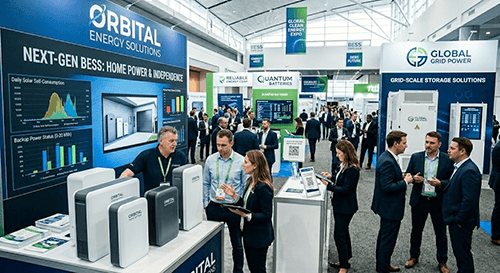
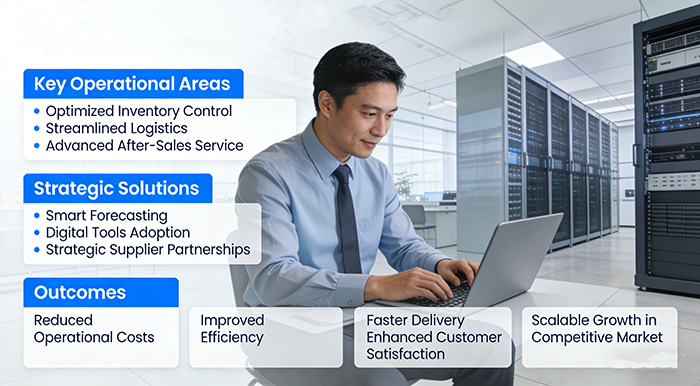
Energy storage distribution in 2026 demands optimized inventory control, streamlined logistics, and advanced after-sales service. Distributors can reduce operational costs and improve efficiency by adopting smart forecasting, digital tools, and strategic supplier partnerships, enabling faster delivery, better customer satisfaction, and scalable growth in an increasingly competitive global energy storage market.
Optimizing Inventory Management for Energy Storage Products
Efficient inventory management is critical in energy storage distribution due to the high value and technical specificity of battery systems. Distributors must balance stock availability with capital efficiency by adopting real-time inventory tracking and modular stocking strategies. Lithium battery products often vary in capacity, compatibility, and application, requiring precise SKU management. Implementing warehouse automation and digital inventory systems can reduce errors and improve turnover rates. Additionally, maintaining safety stock for high-demand products while minimizing slow-moving inventory helps distributors avoid unnecessary storage costs and depreciation risks in a fast-evolving technology landscape.
Streamlining Logistics: Best Practices for Timely and Cost-Effective Energy Storage Delivery
Logistics plays a pivotal role in energy storage distribution, especially given the size, weight, and regulatory requirements of lithium battery transportation. Leading distributors are optimizing logistics by establishing regional warehouses, enabling faster delivery and reducing shipping costs. According to industry practices reflected on hicorpower.com, localized inventory and service networks significantly improve response times and customer satisfaction.
Moreover, compliance with international shipping standards and hazardous material regulations is essential. Efficient route planning, consolidated shipping, and partnerships with specialized logistics providers can further reduce costs. By integrating logistics management systems, distributors gain real-time visibility into shipments, improving coordination and minimizing delays across global supply chains.
Implementing Smart Forecasting and Demand Planning to Minimize Stockouts and Overstock
Accurate demand forecasting is becoming a cornerstone of efficient energy storage distribution. With fluctuating demand driven by policy changes, energy prices, and seasonal consumption patterns, distributors must adopt data-driven forecasting models. Advanced analytics tools enable businesses to predict demand more accurately, reducing the risk of stockouts or excess inventory.
This approach also supports better procurement planning and cash flow management. By aligning inventory levels with market demand, distributors can optimize working capital while ensuring product availability. As the market continues to evolve, those who invest in predictive planning tools will gain a significant competitive advantage. This transition toward smarter operations sets the stage for further improvements in service quality and operational efficiency.
Leveraging Technology to Enhance After-Sales Service and Customer Satisfaction
After-sales service has become a key differentiator in energy storage distribution, particularly as systems grow more complex. Insights from the National Renewable Energy Laboratory (NREL) on solar + storage integration highlight the importance of monitoring, maintenance, and system optimization in ensuring long-term performance. Distributors must go beyond product delivery and provide ongoing technical support to maintain customer trust.
Digital platforms enable real-time monitoring, remote diagnostics, and predictive maintenance, significantly reducing downtime and service costs. These technologies allow distributors to detect issues early and resolve them efficiently without requiring on-site visits. Furthermore, offering software-based services such as performance analytics and system updates enhances the overall customer experience.
By integrating technology into after-sales operations, distributors can improve reliability, reduce operational expenses, and build long-term relationships with clients. This approach is particularly valuable in both residential and commercial markets, where system uptime and performance directly impact user satisfaction and return on investment.
Cost Reduction Strategies Through Vendor Management and Bulk Procurement
Effective vendor management is essential for controlling costs in energy storage distribution. Building strong relationships with reliable manufacturers allows distributors to secure better pricing, stable supply, and consistent product quality. Bulk procurement strategies, in particular, enable significant cost savings through economies of scale.
Distributors should also diversify their supplier base to mitigate risks associated with supply chain disruptions. Evaluating vendors based on performance, certification, and after-sales support ensures long-term reliability. Negotiating flexible payment terms and long-term contracts can further improve financial stability.
In addition, aligning procurement strategies with demand forecasting helps avoid over-purchasing and reduces inventory holding costs. By combining strategic sourcing with efficient purchasing practices, distributors can maintain competitive pricing while protecting profit margins in a rapidly growing market.
Preparing for 2026: Strategic Roadmap for Energy Storage Distributors to Scale Operations Efficiently
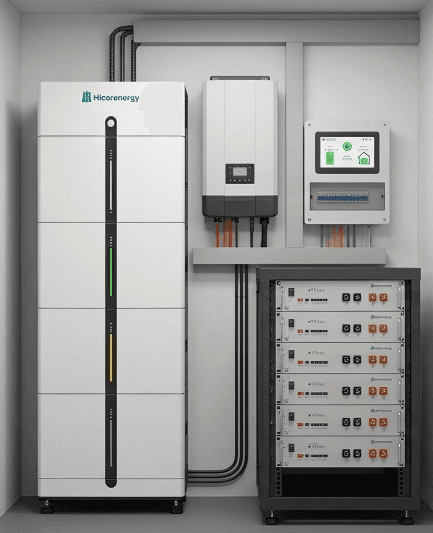
To scale effectively in 2026, energy storage distributors must adopt a comprehensive operational strategy that integrates inventory, logistics, and service capabilities. Partnering with experienced manufacturers such as Hicorenergy provides a strong foundation for growth. With over 20 years of expertise and a global production and service network, Hicorenergy delivers reliable lithium battery solutions tailored to diverse market needs .
Its residential products, including the I-BOX 48100R and modular Si LV1 systems, offer high efficiency, scalability, and flexible installation, making them ideal for various applications. For commercial and industrial use, advanced systems like the Si Station series provide integrated, high-capacity energy storage solutions.
Hicorenergy’s global presence ensures faster delivery and localized support, helping distributors optimize logistics and after-sales service. By combining high-quality products with digital monitoring capabilities, distributors can enhance operational efficiency and meet the evolving demands of the energy storage distribution market.
Conclusion
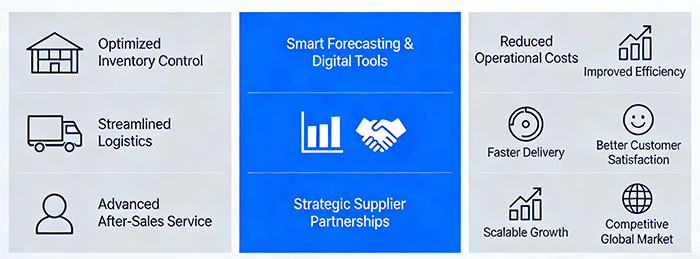
Energy storage distribution in 2026 requires efficiency, scalability, and reliability. By leveraging Hicorenergy’s advanced battery solutions and global support network, distributors can reduce costs, optimize operations, and deliver superior service in a competitive and rapidly evolving market.
Contact us today to optimize your operations:
Email: info@hicorpower.com
WhatsApp: +86 181-0666-3226