The Evolving Landscape of Energy Management
The global shift towards sustainable and reliable power sources has brought energy storage cabinets to the forefront of innovation. As we navigate the complexities of modern energy demands, effective battery storage solutions are no longer a luxury but a necessity. These systems are crucial for balancing power supply and demand, enhancing grid stability, and maximizing the utilization of renewable energy. The trend is clear: sophisticated energy storage is becoming integral to residential, commercial, and industrial applications, paving the way for a more resilient and efficient energy future.
The Trend Towards Advanced Energy Storage Systems
Energy storage technology has undergone a significant transformation. Early systems were often bulky, inefficient, and offered limited control. However, continuous research and development have led to the advanced energy storage cabinets we see today. These modern units are characterized by higher energy density, longer lifespans, improved safety features, and intelligent management systems. The market is increasingly demanding solutions that are not only powerful but also smart and adaptable to various needs, from small-scale residential backup to large-scale industrial power management. This evolution reflects a broader trend of integrating advanced technology into energy infrastructure to meet the dynamic challenges of the 21st century.
The Rise of Modular Energy Storage
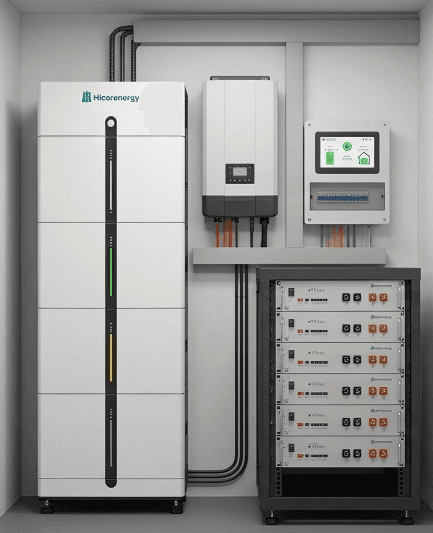
One of the most prominent trends in the sector is the development of modular energy storage. This approach allows for unprecedented flexibility and scalability. Systems designed with modularity enable users to start with a smaller capacity and expand as their energy needs grow. This significantly reduces upfront investment and allows for tailored solutions to specific requirements. Modular units can often be easily interconnected, simplifying installation and maintenance. For instance, products like Hicorenergy's I-BOX 48100R, with its rack-mounted design and Link Ports, epitomize this trend, offering easy scalability for complex systems. This design philosophy is particularly beneficial for businesses and industrial applications that anticipate future growth or have fluctuating energy demands. The ability to add or replace modules without overhauling the entire system enhances operational efficiency and cost-effectiveness, making modular energy storage a key direction for the industry.
The Growing Demand for Portable Energy Storage
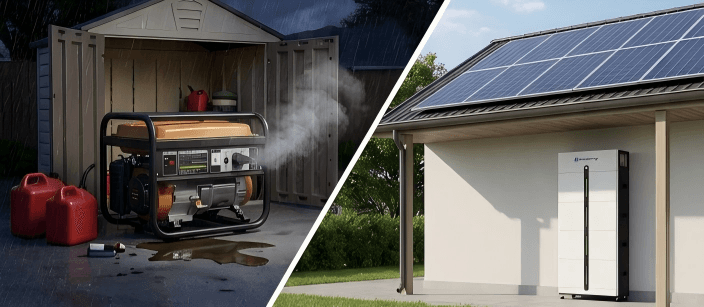
While fixed installations are common, the demand for portable energy storage solutions is also on an upward trajectory. These systems offer the flexibility to provide power where it's needed most, whether for emergency backup, off-grid activities, remote worksites, or temporary event power. The trend is driven by a desire for energy independence and resilience in various scenarios. Modern portable units are becoming more compact, lighter, and more powerful, incorporating advanced battery chemistries and user-friendly interfaces. While industrial units like the I-BOX 48100R are designed for robust, rack-mounted applications, features like side handles facilitate easier installation and maneuverability during large-scale deployments, hinting at the importance of handling even in less traditionally 'portable' market segments. The core idea is accessible power, tailored to diverse mobility needs, reflecting a broader shift towards adaptable energy solutions.
Integrating Solar Energy Storage Cabinets for Optimal Renewable Use
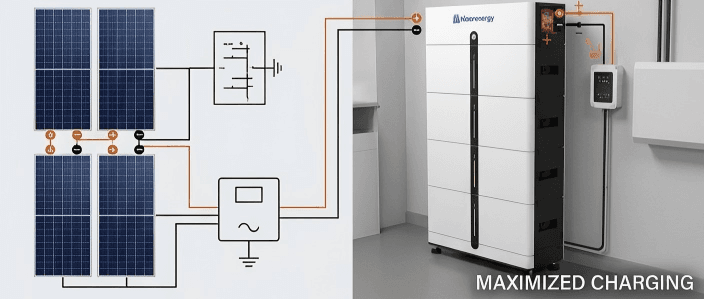
The synergy between solar power generation and energy storage is a critical trend driving the adoption of solar energy storage cabinets. Solar panels generate electricity during daylight hours, but demand often peaks in the evening. Without storage, excess solar energy can be wasted or fed back to the grid, sometimes at low tariffs. Solar energy storage cabinets address this by storing surplus solar energy for later use, increasing self-consumption and reducing reliance on the grid. This is vital for achieving energy independence and maximizing the return on investment in solar installations. Advanced systems often include sophisticated monitoring and communication capabilities, like the CAN and RS485 ports found on the I-BOX 48100R, allowing seamless integration with solar arrays and energy management systems. This trend is pivotal for a sustainable energy ecosystem, ensuring that renewable energy is not just generated, but also efficiently stored and utilized.
Spotlight on Modern Battery Storage Solutions: The Hicorenergy I-BOX 48100R
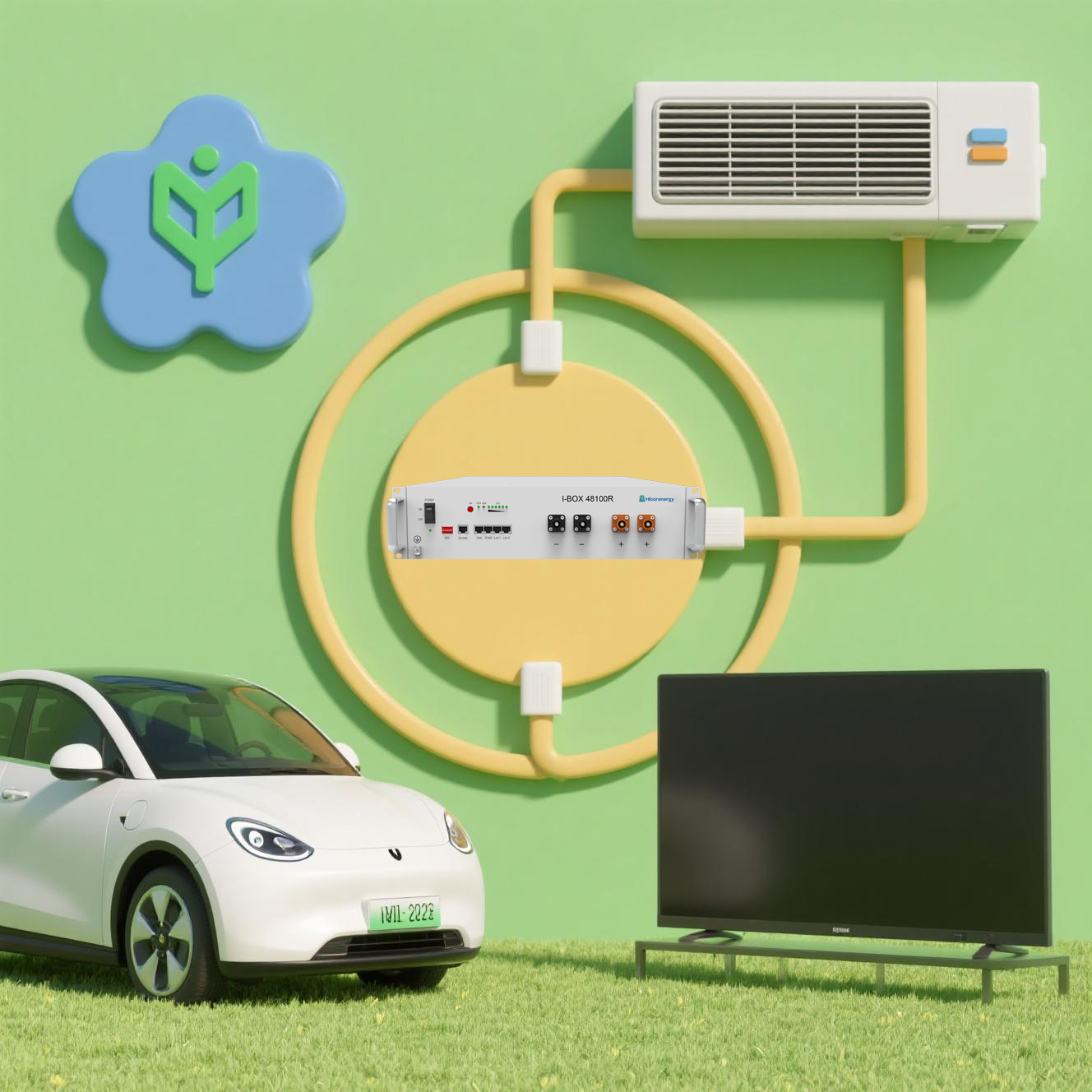
To understand the current trend in advanced battery storage solutions, let's consider Hicorenergy's I-BOX 48100R. This lithium-ion battery system exemplifies the sophisticated technology now available. Its rack-mounted design is ideal for industrial applications and renewable energy systems, aligning with the trend towards robust and integrated solutions. Key features include a simple ON/OFF toggle switch with an LED indicator for ease of use, and comprehensive monitoring through SOC (State of Charge) LEDs and an alarm signal for abnormalities. Crucially, its array of communication ports (Console, CAN, RS485, and Link Ports) supports industry-standard protocols, showcasing the trend towards smart, interconnected energy storage capable of integration with broader energy management platforms. The heavy-duty power connectors and durable construction ensure reliability in demanding environments. This product represents a shift towards energy storage cabinets that are not just power banks, but intelligent components of a larger energy ecosystem, reflecting the broader trend of highly functional and reliable energy systems.
Future Outlook: Smarter and More Integrated Energy Storage
Looking ahead, the trend for energy storage cabinets points towards even greater intelligence, efficiency, and integration. We can expect continued advancements in battery chemistries, leading to higher energy densities and longer lifecycles. Artificial intelligence and machine learning will likely play a more significant role in optimizing energy storage and dispatch, predicting demand, and enhancing grid stability. Furthermore, greater integration with smart grids and IoT devices will enable more dynamic and responsive energy management. The evolution of energy storage cabinets will continue to be a cornerstone in the transition to a cleaner, more reliable, and decentralized energy future, with systems like the advanced I-BOX 48100R leading the charge in current innovations.