The Accelerating Trend in Energy Management
The global energy landscape is undergoing a profound transformation, and at the heart of this shift lies the increasing reliance on sophisticated energy storage solutions. One of the most visible and impactful developments in this domain is the proliferation of advanced energy storage cabinets. These systems are no longer niche products but are rapidly becoming cornerstone technologies for businesses aiming to enhance energy efficiency, ensure power reliability, and integrate sustainable energy sources. As demand for cleaner and more stable power grows, understanding the trends surrounding these cabinets is crucial for industries looking to future-proof their operations.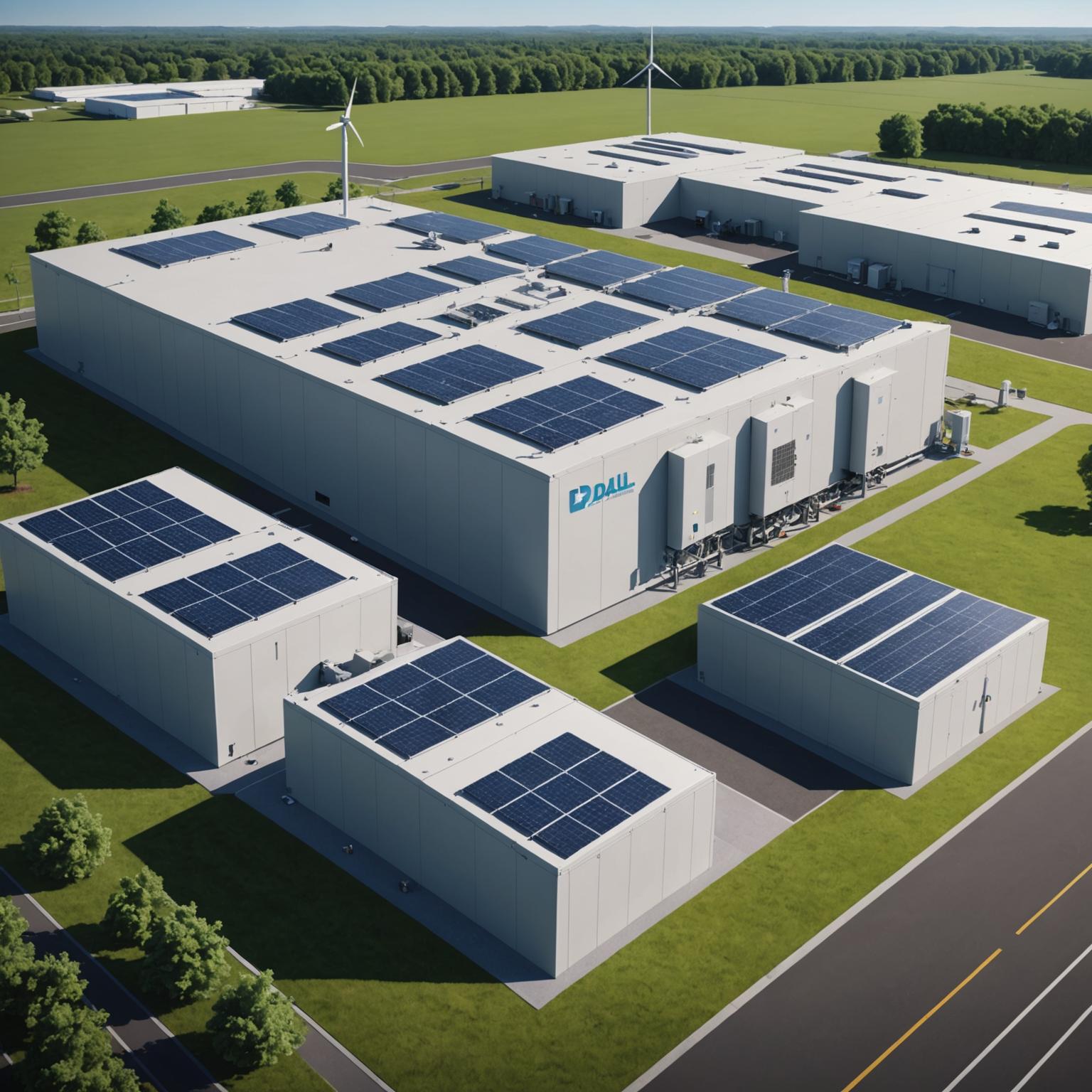
Shifting Paradigms: The Evolution of Energy Storage
Historically, energy storage was often associated with rudimentary systems. However, the current trend showcases a significant evolution towards highly intelligent and efficient battery storage solutions. Modern units are designed with advanced battery chemistries, sophisticated thermal management, and smart control systems. This evolution is driven by declining battery costs, increased energy density, and a greater understanding of how stored energy can optimize power usage. Companies like Ningbo Hiconenergy Co., LTD. are at the forefront of this change, developing products that embody these advancements, offering compact yet powerful systems designed for performance and longevity. The focus has shifted from mere backup power to proactive energy management, enabling functionalities like peak shaving and load balancing with unprecedented precision.
Catalysts of Change: Why Energy Storage is Gaining Momentum
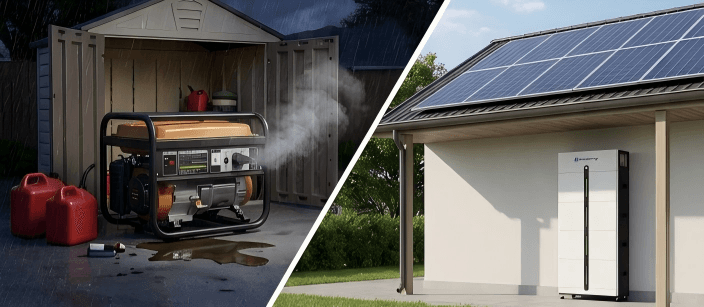
Several key factors are fueling the upward trend in the adoption of energy storage systems. A primary driver is the global push towards renewable energy storage. As solar and wind power generation become more prevalent, the intermittent nature of these sources necessitates effective storage to ensure a consistent supply. Furthermore, businesses are increasingly recognizing the economic benefits; by storing energy during off-peak hours when electricity is cheaper and deploying it during peak hours, significant cost savings can be achieved. Grid stability is another critical factor, with energy storage solutions helping to balance supply and demand, thereby reducing strain on national grids and preventing outages. The desire for energy independence and resilience against power disruptions also propels the demand for robust storage options.
Innovations Shaping the Future: A Closer Look at Advanced Systems
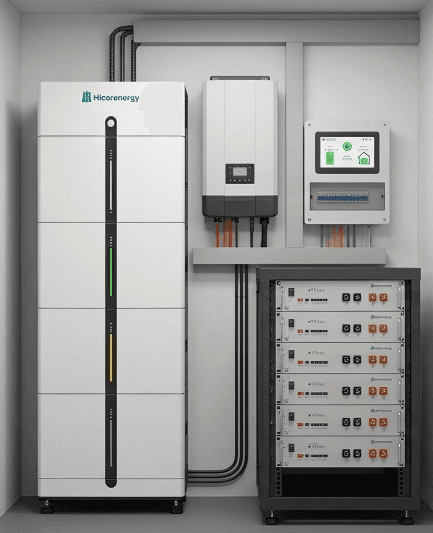
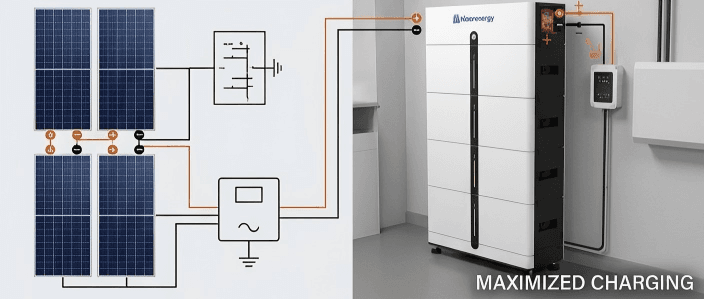
The technological advancements in industrial energy cabinets are a testament to the innovative spirit driving this sector. Take, for example, the Si Station 186 from Ningbo Hiconenergy Co., LTD. This commercial and industrial energy storage solution exemplifies current trends with features like a robust enclosure design for demanding environments, clear operational LED indicators for easy monitoring and swift troubleshooting, and an essential emergency stop button prioritizing safety. Moreover, its advanced ventilation system ensures optimal thermal management, crucial for the lifespan and efficiency of the battery storage solutions within. Integrated control units offer on-site access for monitoring and adjustments, showcasing a move towards user-friendly and intelligent systems. This particular unit is also designed with an eye towards seamless solar energy storage integration, making it ideal for businesses adopting green energy.
Powering Progress: The Crucial Role in Commercial and Industrial Sectors
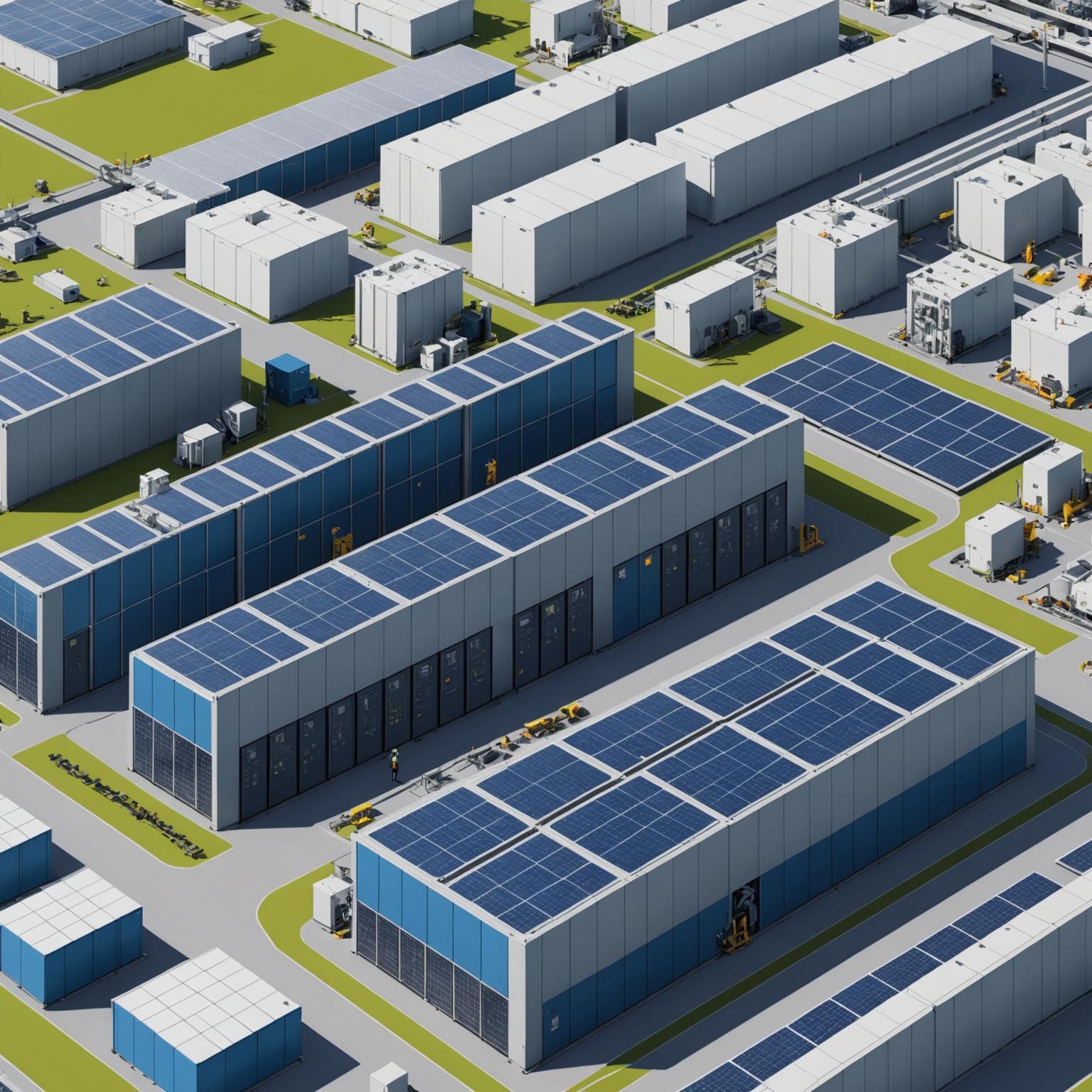
The commercial and industrial (C&I) sectors are increasingly becoming major adopters of advanced energy storage. These sectors often have high energy demands and can suffer significantly from power disruptions or volatile energy prices. Industrial energy cabinets, like the Si Station 186, are tailored to meet these specific needs, offering scalable and durable solutions. They are crucial for applications such as peak shaving, which helps businesses avoid high demand charges, and for providing reliable backup power to maintain critical operations during outages. Furthermore, as C&I companies look to meet sustainability goals and reduce their carbon footprint, integrating renewable energy storage becomes a strategic imperative. These systems enable businesses to maximize their use of on-site solar generation, further enhancing their environmental credentials and operational efficiency. The trend here is clear: intelligent energy storage is becoming indispensable for modern industrial competitiveness, utilizing systems like these energy storage cabinets effectively.
Looking Ahead: The Future Trajectory of Energy Storage Solutions
The trend towards more sophisticated, integrated, and accessible energy storage cabinets is set to continue and accelerate. Future developments will likely focus on even greater energy density, longer lifespans, enhanced safety features, and more intelligent software for predictive analytics and optimization. The integration with smart grids and IoT platforms will unlock new capabilities, enabling more dynamic energy management across interconnected systems. Companies like Ningbo Hiconenergy Co., LTD., with their commitment to innovation and a deep understanding of market needs, particularly in the realm of solar energy storage and comprehensive battery storage solutions, are well-positioned to lead this continued evolution. As the world transitions towards a more decentralized and renewable-powered energy system, the role of these advanced storage solutions will only become more central, transforming how we generate, distribute, and consume power. The Si Station 186 demonstrates a strong step in this direction, emphasizing efficient and reliable power for a sustainable future in commercial capacities.