The rapid evolution of energy demands across various sectors has highlighted the critical need for effective power management systems. Central to this revolution are energy storage cabinets, sophisticated units designed to store electrical energy for use when and where it's most needed, becoming particularly crucial for commercial energy storage and industrial energy storage needs. These systems are becoming indispensable for ensuring power stability, optimizing energy consumption, and integrating renewable energy sources seamlessly into existing power grids. As businesses and industries increasingly seek reliable and sustainable power, the role of advanced energy storage solutions continues to grow in significance.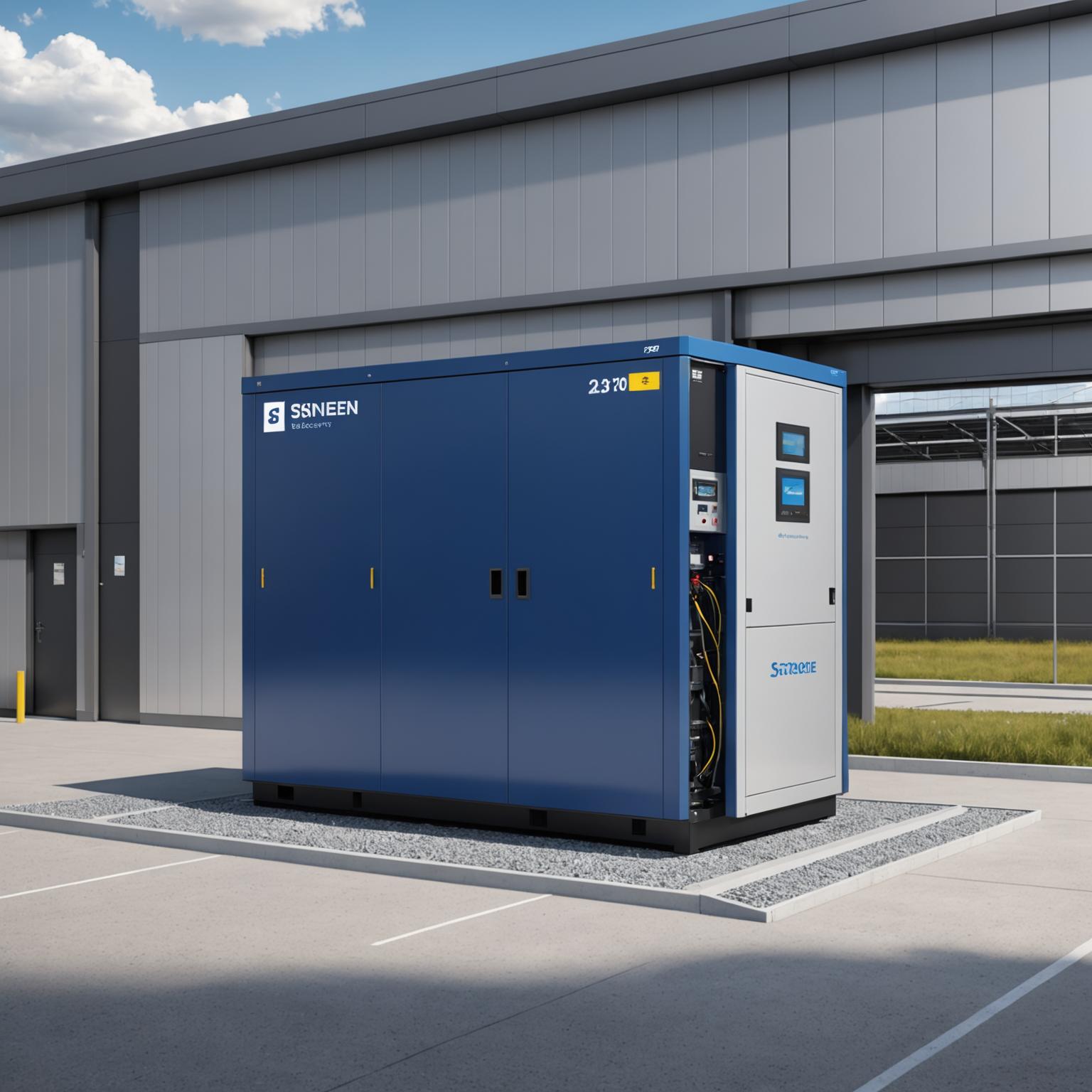
Understanding Energy Storage Cabinets
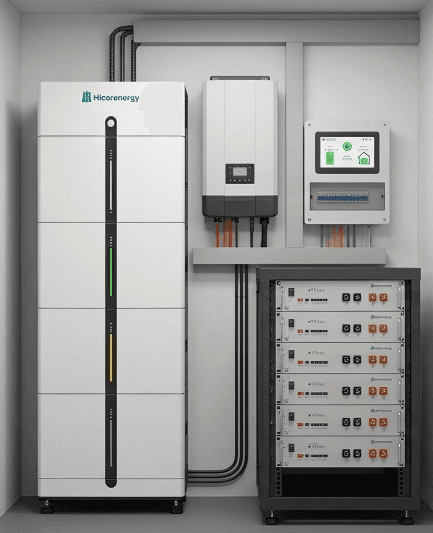
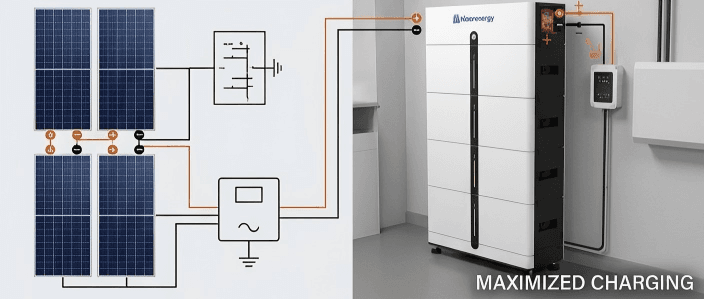
Energy storage cabinets are essentially enclosures that house complex battery systems, power conversion electronics, and control mechanisms. They function as reservoirs for electrical energy, charging during periods of low demand or high renewable generation, and discharging when power is required. These systems often utilize advanced battery storage solutions, such as lithium-ion technology, to provide high energy density, long cycle life, and efficient performance. Their primary role is to enhance grid stability, provide backup power during outages, and facilitate the integration of intermittent renewable energy sources like solar and wind, thereby ensuring a more consistent and reliable power supply. These versatile energy storage solutions are engineered to meet a wide array of power requirements.
Applications in Commercial and Industrial Sectors
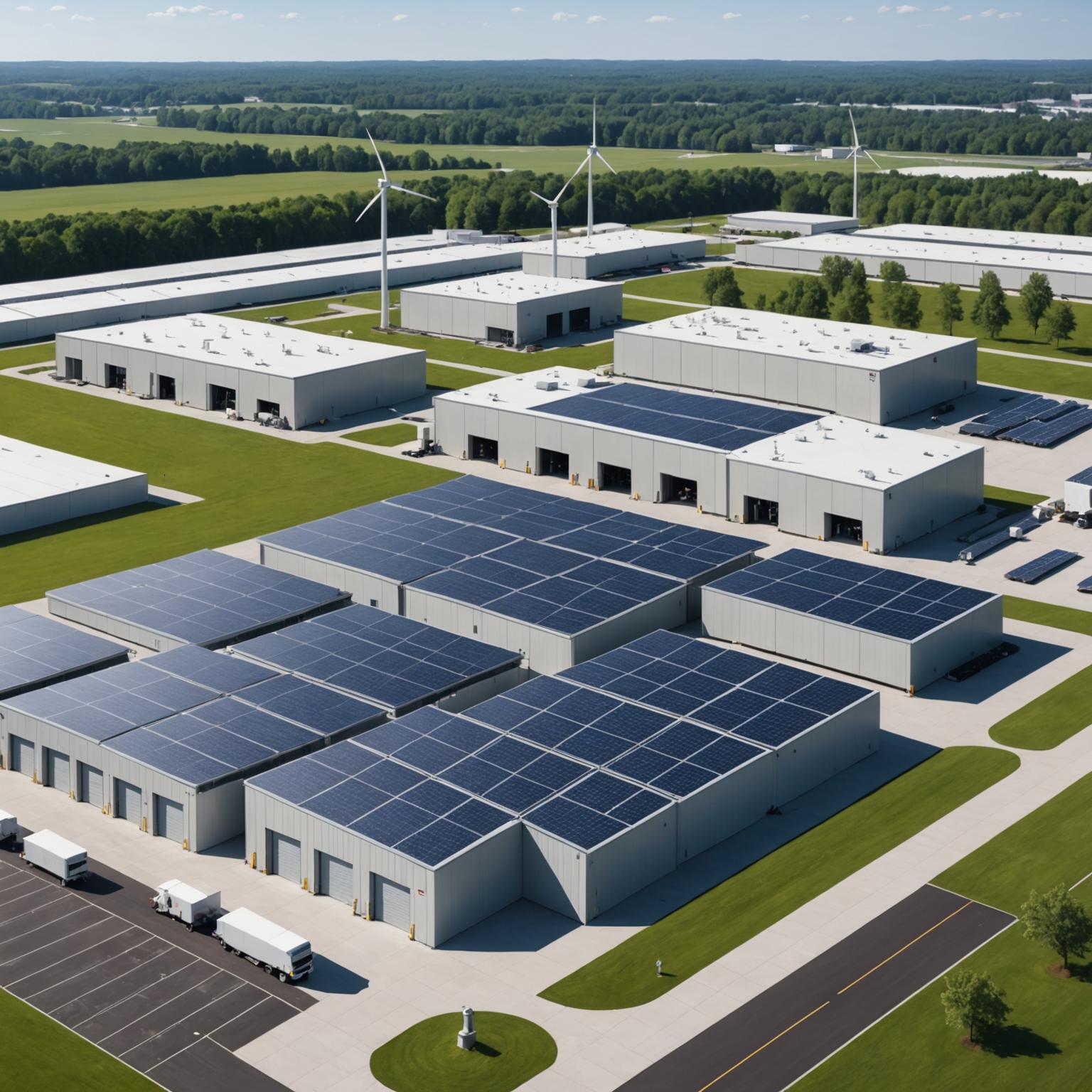
The applications for these storage units are vast, particularly within the commercial and industrial sectors. For commercial energy storage, these cabinets can significantly reduce electricity bills through peak shaving—storing energy during off-peak hours and using it during high-demand periods when tariffs are higher. They also offer uninterruptible power supply (UPS) capabilities, safeguarding critical operations against power outages. In the realm of industrial energy storage, these systems provide the robust power needed for heavy machinery and manufacturing processes, ensuring operational continuity and preventing costly downtime. The ability to manage energy proactively also supports larger industrial complexes in achieving their energy efficiency and sustainability targets by optimizing overall energy consumption.
The Si Station 230: An Innovative Solution
A prime example of cutting-edge technology in this field is the Si Station 230, an innovative energy storage cabinet developed by Hiconenergy. This unit is specifically designed to meet the demanding requirements of Commercial & Industrial (C&I) applications, embodying a sleek, modern design with robust functionality. As a comprehensive system, the Si Station 230 represents a significant step forward in providing reliable power. Hiconenergy, known as Ningbo Hicorenergy Co., Ltd., has positioned this product as a C&I Innovative Energy Storage Solution, reflecting its commitment to advancing energy technology for businesses seeking autonomy and efficiency.
Key Features of the Si Station 230
The Si Station 230 by Hiconenergy is engineered with a host of features that underscore its capabilities as a leading energy storage solution. It boasts advanced energy storage capacity, ensuring a steady reserve for businesses with high energy demands. The front panel features a streamlined control interface with clearly labeled indicators for Power, Operation, Alarm, and Fault, allowing for real-time system diagnosis and monitoring. An immediately accessible Emergency Stop button enhances safety compliance. Furthermore, an optimized cooling system, with a vented design at the base, prevents overheating and ensures peak performance even under challenging environmental conditions. Its durable enclosure protects internal components while maintaining a clean aesthetic, making it suitable for diverse operational settings.
Benefits of Advanced Energy Storage Cabinets
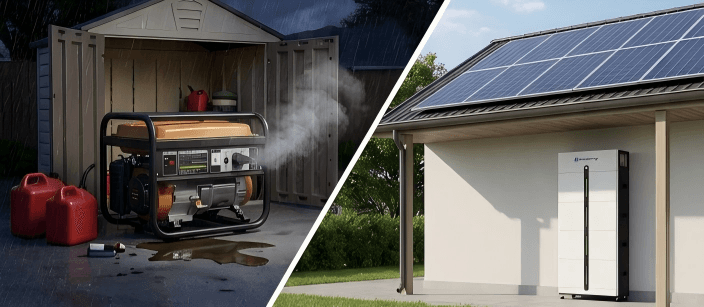
The adoption of advanced energy storage cabinets like the Si Station 230 offers multifaceted benefits to businesses, strongly impacting commercial energy storage strategies. One of the primary advantages is enhanced energy autonomy, allowing companies to have greater control over their power supply and reduce dependency on the grid. This leads to significant cost savings, not only through peak shaving and demand charge management but also by mitigating losses associated with power interruptions. These systems also improve power quality and reliability, which is crucial for sensitive equipment and continuous industrial processes. Moreover, by facilitating the integration of renewable energy sources, these advanced battery storage solutions empower businesses to meet their sustainability goals and reduce their carbon footprint, contributing to greener operations.
The Technical Edge in Energy Management
The technical sophistication of modern energy storage cabinets is a key differentiator in today's energy management landscape. Units like the Si Station 230 incorporate Hiconenergy’s proprietary technology, ensuring unparalleled reliability. This involves not just the battery technology itself, but also advanced power conversion systems, thermal management, and intelligent controls for advanced battery storage solutions. The robust construction and safety mechanisms are paramount for industrial energy storage applications, ensuring longevity and operational safety. Despite the underlying complexity, user-friendly interfaces and remote monitoring capabilities make these advanced systems accessible and manageable, allowing businesses to leverage sophisticated energy strategies without requiring extensive specialized expertise. These elements define high-quality energy storage solutions.
Paving the Way for a Stable Energy Future
In conclusion, energy storage cabinets are pivotal in shaping a more resilient, efficient, and sustainable energy future. They address critical challenges related to power reliability, cost management, and the integration of renewable resources for various applications. Innovative systems such as the Si Station 230 from Ningbo Hicorenergy Co., Ltd. exemplify the advancements in commercial energy storage and industrial energy storage technology, providing businesses with powerful tools to optimize their energy usage. As the world transitions towards smarter grids and cleaner energy, the strategic deployment of these sophisticated battery storage solutions will be fundamental to achieving a stable and dependable power infrastructure for all.