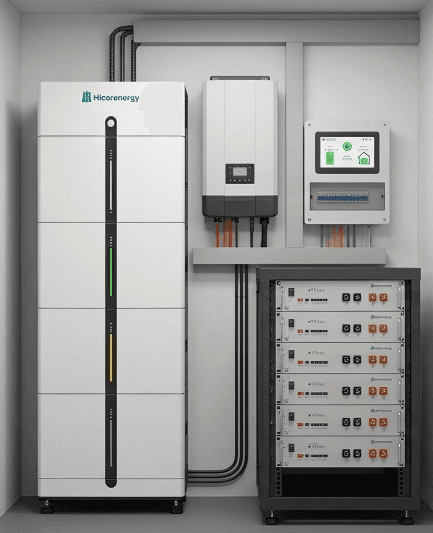
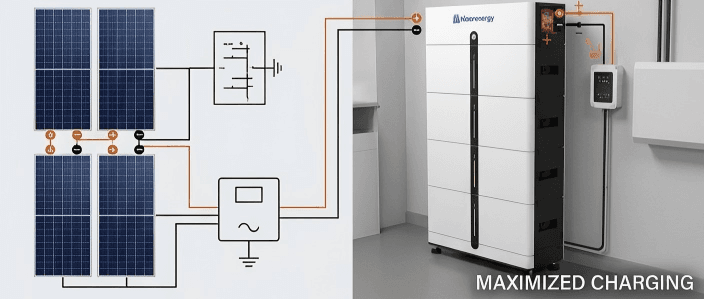
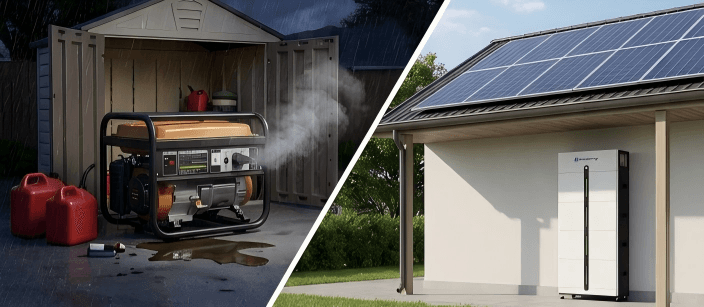
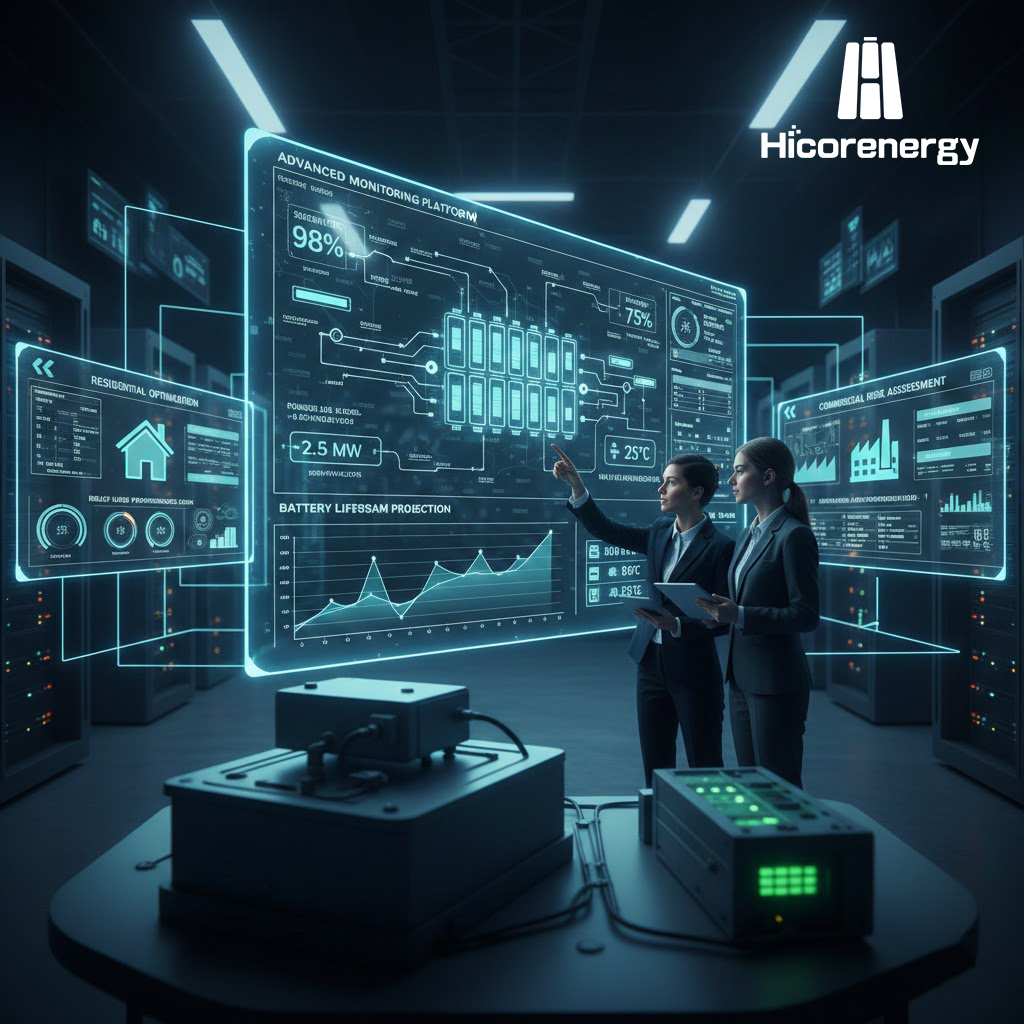
Effective monitoring of an Energy Storage System relies on tracking real-time performance data, system health, and environmental conditions through intelligent software and hardware tools. By using advanced monitoring platforms, users can improve safety, extend battery lifespan, optimize energy usage, and reduce operational risks across residential and commercial applications.
Understanding the Importance of System Monitoring
Monitoring plays a critical role in ensuring the stable and safe operation of an Energy Storage System. Continuous visibility into system status helps identify potential issues such as abnormal temperatures, voltage fluctuations, or capacity degradation before they escalate into failures. For households, factories, and commercial facilities, proper monitoring directly impacts energy reliability and return on investment. It also supports compliance with safety standards and enables predictive maintenance, reducing downtime and unnecessary replacement costs while improving long-term system performance.
Key Metrics to Track in Energy Storage Systems
To effectively manage an Energy Storage System, several key performance indicators must be consistently monitored. These include state of charge (SOC), state of health (SOH), charge and discharge rates, cycle count, system efficiency, and temperature distribution. Monitoring voltage and current balance across battery modules is essential for safety and longevity. According to industry best practices reflected by advanced solution providers such as hicorpower.com, integrating these metrics into a unified dashboard enables operators to make informed decisions, optimize energy dispatch, and ensure stable system operation across diverse use cases.
Tools and Technologies for System Monitoring
Modern Energy Storage System monitoring relies on a combination of intelligent hardware and digital platforms. Battery management systems, sensors, cloud-based dashboards, and mobile applications work together to provide real-time insights and alerts. These tools not only visualize performance data but also support remote diagnostics and firmware upgrades. As monitoring technologies evolve, they increasingly act as the bridge between raw system data and actionable energy management strategies, encouraging users to explore deeper optimization opportunities.
Remote Monitoring Solutions: Pros and Cons
Remote monitoring solutions have become a standard feature in advanced Energy Storage Systems. Their primary advantage lies in real-time accessibility, allowing users and service providers to supervise system performance from anywhere. This enables faster fault detection, reduced maintenance costs, and improved operational efficiency. Remote upgrades and automated alarms further enhance system reliability. However, these solutions also depend on stable internet connectivity and robust cybersecurity measures. Initial setup costs and data management complexity may present challenges, particularly for users with limited technical infrastructure. Balancing convenience with reliability remains a key consideration.
Best Practices for Data Analysis and Interpretation
Collecting data alone is insufficient without proper analysis and interpretation. Best practices include establishing baseline performance benchmarks, regularly reviewing trend data, and correlating system behavior with environmental and load conditions. Advanced Energy Storage System solutions from Hicorenergy integrate self-developed battery management systems and smart monitoring platforms that transform raw data into actionable insights. Features such as real-time visualization, error detection, and alarm notifications help users identify inefficiencies and optimize charging and discharging strategies. By combining high-quality lithium battery hardware with intelligent software, Hicorenergy supports data-driven decision-making for both residential and commercial energy users.
Future Trends in Energy Storage Monitoring Technologies
The future of Energy Storage System monitoring is moving toward greater intelligence and automation. Artificial intelligence and machine learning are expected to play a larger role in predictive maintenance and performance optimization. Digital twins, edge computing, and deeper integration with energy management systems will enable more precise control and forecasting. Additionally, enhanced interoperability with renewable energy sources and grid platforms will improve system flexibility. As these technologies mature, monitoring will shift from passive observation to proactive optimization, supporting more resilient and sustainable energy infrastructures.
Conclusion
Effective monitoring is essential for maximizing the safety, efficiency, and lifespan of an Energy Storage System. By combining intelligent analytics with reliable lithium battery solutions, Hicorenergy enables users to achieve greater control, stability, and long-term value across diverse energy applications.
For more information or professional support:
Email: info@hicorpower.com
WhatsApp: +86 181-0666-3226