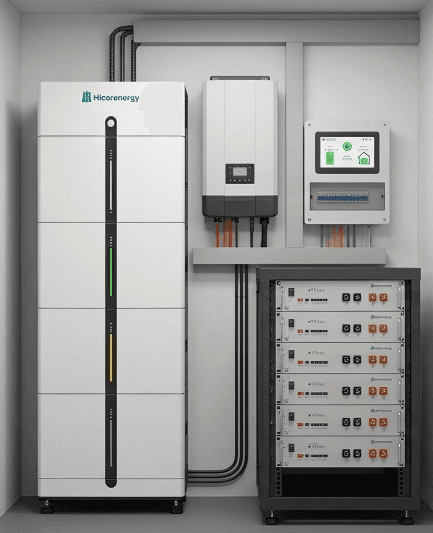
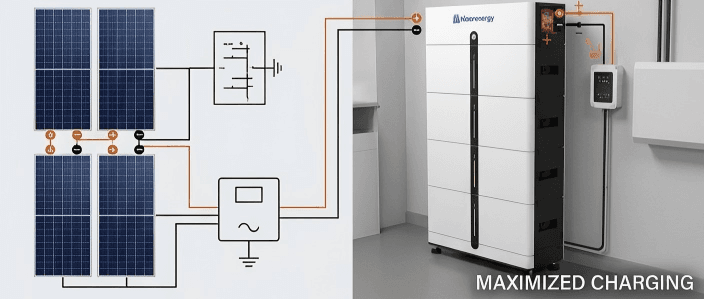
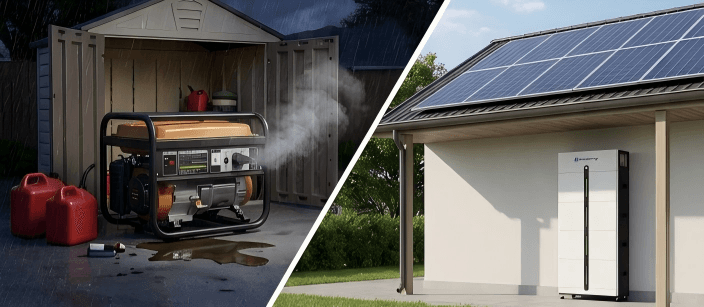
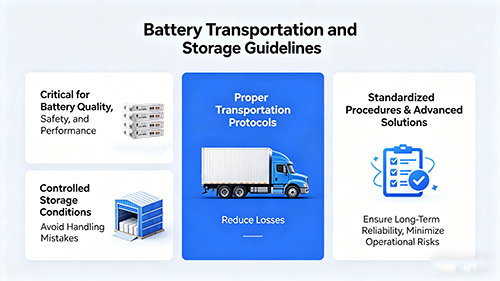
Battery Transportation and Storage are critical for maintaining battery quality, safety, and performance. Distributors can reduce losses by following proper transportation protocols, controlling storage conditions, and avoiding common handling mistakes. Implementing standardized procedures and using advanced battery solutions ensures long-term reliability and minimizes operational risks.
Understanding the Importance of Proper Battery Transportation and Storage for Distributors
Battery Transportation and Storage play a crucial role in preserving battery integrity from factory to end user. For distributors, improper handling during transit or storage can lead to capacity loss, safety hazards, and increased warranty claims. Lithium batteries, in particular, are sensitive to environmental and physical conditions. Ensuring proper packaging, handling, and storage conditions helps maintain product performance and extends service life. Distributors who prioritize these practices can reduce operational costs, improve customer satisfaction, and build a stronger market reputation while ensuring compliance with international safety standards.
Best Practices for Safe and Efficient Battery Transportation
Safe Battery Transportation and Storage begin with proper logistics planning. Batteries must be packaged using certified materials that provide shock resistance and insulation to prevent short circuits. Compliance with international transportation regulations, including UN38.3 testing requirements, is essential to ensure safety during shipping.
Distributors should also ensure that batteries are transported in a partially charged state, typically around 30–50%, to reduce risks during transit. Proper labeling and documentation are equally important to avoid delays and regulatory issues. Additionally, avoiding excessive vibration, impact, and exposure to extreme temperatures during transportation is critical.
Reliable suppliers emphasize robust battery design and protective packaging. Advanced lithium battery systems are engineered with durable structures and built-in safety mechanisms, reducing the risk of damage during transportation. By working with professional manufacturers, distributors can ensure safer logistics and more efficient delivery processes.
Key Factors for Storing Batteries to Prevent Damage and Degradation
Proper Battery Transportation and Storage do not end with delivery—storage conditions are equally important. Batteries stored incorrectly can degrade rapidly, leading to reduced performance and financial losses. Distributors must carefully control storage environments, including temperature, humidity, and ventilation.
It is essential to store batteries in clean, dry, and well-ventilated spaces, away from direct sunlight and heat sources. Regular inspection is also necessary to detect early signs of swelling, leakage, or voltage drop. Inventory management practices, such as first-in-first-out (FIFO), help ensure older stock is used before newer batches, minimizing aging risks.
These considerations naturally lead to deeper technical aspects of storage, particularly environmental control and handling practices, which directly impact battery lifespan and safety.
Temperature and Humidity Control in Battery Storage: A Critical Consideration
Temperature and humidity are among the most influential factors in Battery Transportation and Storage. Batteries exposed to high temperatures may experience accelerated chemical reactions, leading to capacity loss and reduced cycle life. On the other hand, extremely low temperatures can temporarily reduce performance and affect charging efficiency.
Humidity also plays a significant role. Excess moisture can lead to corrosion of terminals and internal components, increasing the risk of failure. For Energy Storage Battery Distributors, maintaining a stable storage environment—typically between 15°C and 25°C with controlled humidity—is essential.
Advanced energy storage systems now incorporate thermal management features, allowing batteries to operate within optimal temperature ranges. However, external storage conditions still need to be carefully managed. Distributors who invest in climate-controlled storage facilities can significantly improve battery longevity and reduce unexpected losses.
How to Avoid Common Transportation Mistakes That Can Lead to Battery Damage
Many losses in Battery Transportation and Storage result from avoidable mistakes. Improper stacking, lack of cushioning, and failure to secure batteries during transit can cause physical damage. Additionally, ignoring state-of-charge requirements or exposing batteries to extreme conditions increases the risk of degradation or safety incidents.
Hicorenergy addresses these challenges through advanced product design and engineering. Its lithium battery systems utilize high-quality LiFePO4 cells, robust structural designs, and intelligent battery management systems (BMS) to enhance safety during transportation and storage. Features such as remote monitoring, real-time diagnostics, and multi-layer protection help distributors detect potential issues early.
Furthermore, Hicorenergy products are designed for durability and adaptability, making them suitable for diverse logistics environments. By choosing reliable solutions, distributors can minimize risks, reduce damage rates, and ensure consistent product quality throughout the supply chain.
Essential Tools and Equipment for Effective Battery Storage and Handling
Effective Battery Transportation and Storage require the right tools and equipment. Distributors should invest in proper shelving systems, insulated storage containers, and monitoring devices to maintain optimal conditions. Battery management tools, such as voltage testers and thermal sensors, help track battery health during storage.
Handling equipment, including forklifts with protective attachments and anti-static gear, ensures safe movement of batteries within warehouses. Fire safety systems, such as extinguishers designed for lithium batteries, are also essential.
Digital tools further enhance efficiency. Monitoring systems that provide real-time data on temperature, humidity, and battery status allow distributors to take proactive measures. Combining proper equipment with standardized procedures ensures safer operations, reduces losses, and improves overall supply chain performance.
Conclusion
Battery Transportation and Storage require careful planning, environmental control, and reliable products. Hicorenergy provides advanced lithium battery solutions with strong safety features and intelligent management, helping distributors reduce losses and ensure consistent performance.
Contact us today:
Email: info@hicorpower.com
WhatsApp: +86 181-0666-3226