Ensuring safety and compliance in Energy Storage Products is critical for distributors and installers operating in diverse regulatory environments. This article outlines key standards, certification requirements, installation best practices, and risk mitigation strategies to help industry professionals deliver reliable, compliant, and market-ready energy storage solutions with confidence.
Overview of Energy Storage Solutions: Types and Benefits
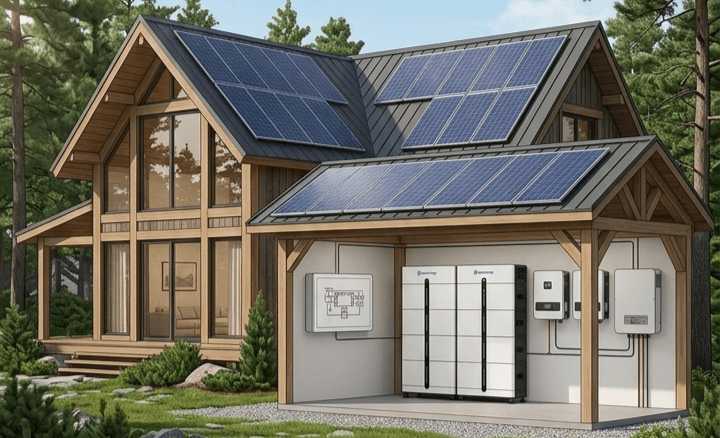
Energy storage solutions are broadly categorized into residential, commercial and industrial (C&I), and utility-scale systems. These solutions typically use lithium-ion technologies, particularly LiFePO4 chemistry, due to its thermal stability and long cycle life. The primary benefits of Energy Storage Products include improved energy reliability, peak shaving, backup power during outages, and enhanced integration of renewable energy. For end users, these systems reduce grid dependence and long-term energy costs, while for distributors and installers, they represent scalable opportunities across residential and commercial markets.
Critical Safety Standards for Energy Storage Systems
Safety standards form the foundation of reliable energy storage deployment. Globally recognized frameworks such as IEC, UL, and regional grid codes define requirements for battery design, thermal management, electrical protection, and system integration. Compliance with standards like UL9540/9540A, IEC 62619, and IEC 62133 helps ensure that Energy Storage Products meet stringent safety benchmarks, including fire prevention, fault isolation, and system durability. Additionally, proper battery management systems (BMS), enclosure ratings, and testing protocols are essential to address risks related to overcharging, short circuits, and environmental exposure. Adhering to these standards not only protects assets and personnel but also facilitates smoother approval processes with authorities having jurisdiction.
The Role of Compliance Certification in Market Readiness
Compliance certification plays a pivotal role in determining market readiness for energy storage systems. Certifications serve as proof that products have been independently tested and validated against applicable safety and performance standards. For distributors and installers, certified Energy Storage Products reduce project risk, accelerate permitting, and enhance credibility with customers and regulators. More importantly, compliance certification bridges the gap between product innovation and real-world deployment, ensuring that advanced energy storage technologies can be adopted across different markets without compromising safety or reliability.
Installation Guidelines: Ensuring Compliance and Safety
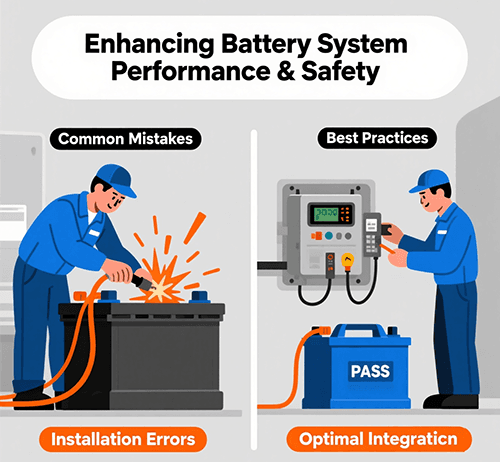
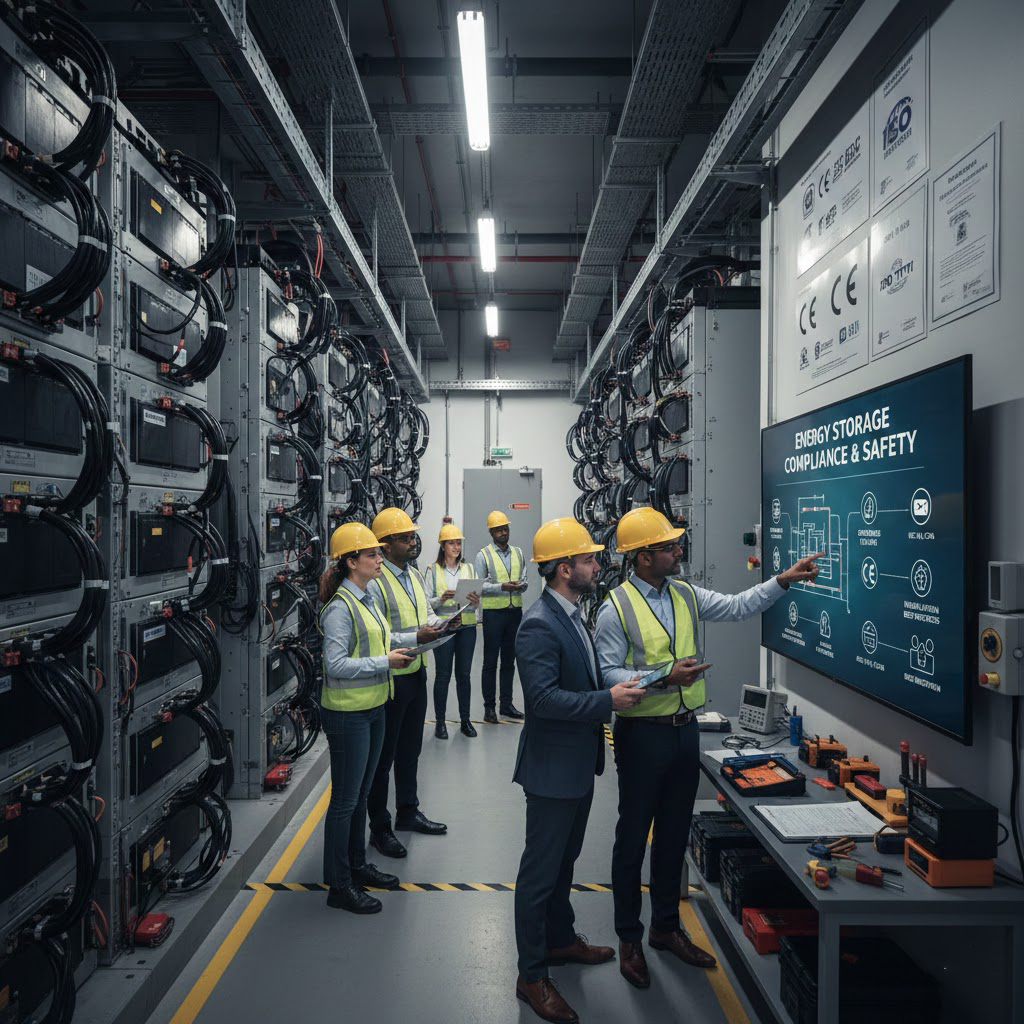
Proper installation is as critical as product design in ensuring system safety and compliance. Installers must follow manufacturer guidelines, local electrical codes, and fire safety regulations throughout the installation process. This includes correct site selection, adequate ventilation, secure mounting, and appropriate spacing between battery modules. Electrical connections should use certified connectors and protective devices such as DC breakers and fuses to minimize fault risks. Grounding and isolation measures are essential to prevent electrical hazards, while commissioning procedures should include system testing and verification. For Energy Storage Products deployed in residential or commercial settings, installer training and documentation are key factors in maintaining long-term system safety and compliance.

Risk Assessment and Mitigation Strategies for Energy Storage Installations
Risk assessment is an ongoing process that begins at the planning stage and continues throughout the system lifecycle. Key risks associated with Energy Storage Products include thermal runaway, improper installation, environmental stress, and operational misuse. Mitigation strategies involve selecting appropriate battery chemistries, integrating advanced BMS with multi-layer protection, and designing systems with redundancy and fail-safe mechanisms. Environmental risks, such as extreme temperatures or humidity, should be addressed through enclosure design and thermal control systems. Regular maintenance, monitoring, and data analysis further reduce operational risks, ensuring that potential issues are identified and resolved before they escalate.
Keeping Current: Resources for Navigating Safety and Compliance Changes
Safety and compliance requirements for Energy Storage Products continue to evolve as technologies and regulations advance. Distributors and installers must stay informed through industry standards organizations, certification bodies, and manufacturer updates. Working with experienced solution providers simplifies this process by offering products designed with global compliance in mind. Hicorenergy, as a lithium battery solution provider with extensive international operations, develops residential and C&I energy storage systems that align with major global safety and grid standards. Its product portfolio emphasizes reliable cell selection, robust battery management systems, and scalable designs, supporting compliance across diverse markets while enabling efficient installation and operation.
Summary
ensuring safety and compliance in Energy Storage Products requires a holistic approach that integrates certified product design, standardized installation practices, proactive risk management, and continuous regulatory awareness. Hicorenergy’s energy storage solutions support these objectives by combining safety-focused engineering with global compliance readiness.
For further information or technical support, please contact:
Email: info@hicorpower.com
WhatsApp: +86 181-0666-3226