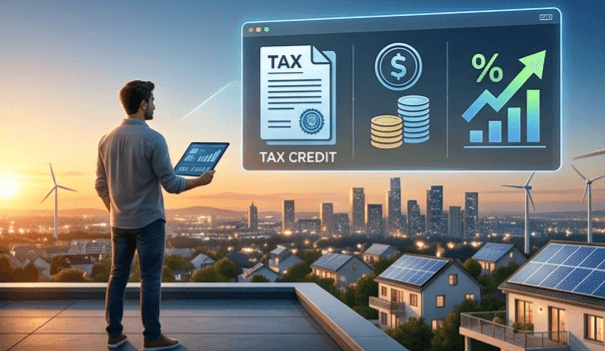
 The landscape of battery storage Australia is undergoing a remarkable transformation, shifting from a niche concept to a mainstream necessity for a sustainable energy future. As households and businesses across the country increasingly adopt solar power, the conversation has naturally evolved to include how we can effectively capture and utilize this clean energy around the clock. This trend is driven by a powerful desire for energy independence Australia, empowering consumers to take control of their power consumption, reduce reliance on the grid, and contribute to a greener planet. The integration of advanced storage systems is no longer a question of if, but when and how quickly they will become a standard feature in our energy infrastructure.
The Shifting Dynamics of the Electricity Market Australia
The traditional structure of the electricity market Australia is being reshaped by the rapid uptake of renewable energy sources. The massive influx of solar power during sunny days creates a surplus of energy, while demand often peaks in the evenings when the sun has set. This imbalance presents significant challenges for grid stability. This is where modern energy storage solutions play a pivotal role. By capturing excess solar energy generated during the day, these systems can discharge it during evening peak hours, smoothing out demand curves and creating a more resilient and reliable grid. This capability not only supports the wider network but also insulates consumers from the price volatility often seen in the wholesale energy market.
The Rise of Commercial and Residential Energy Independence
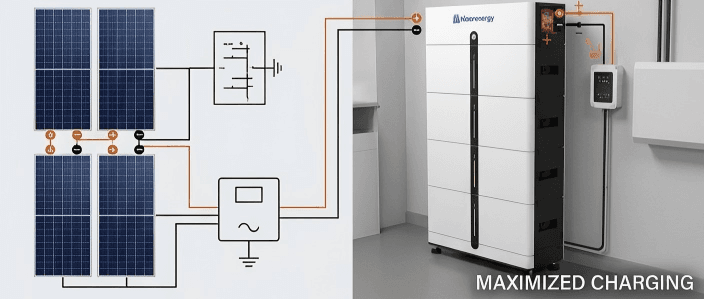
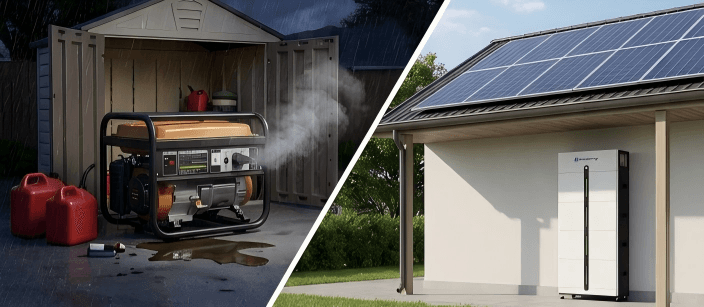
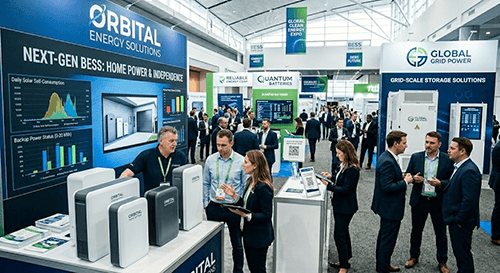
For individual consumers and businesses, the move towards on-site storage is a powerful step towards self-sufficiency. Homeowners are leveraging battery systems to maximize the return on their solar panel investment, storing unused energy to power their homes at night or during grid outages. This provides both financial savings and peace of mind. On a larger scale, commercial battery storage is becoming an essential tool for businesses looking to manage operational costs and ensure continuity. By mitigating the impact of peak demand charges and providing a reliable backup power source, companies can protect their bottom line and maintain productivity, regardless of external grid fluctuations. The latest systems are highly scalable, allowing for tailored solutions that meet specific commercial energy needs.
Innovations Shaping the Future of Batteries
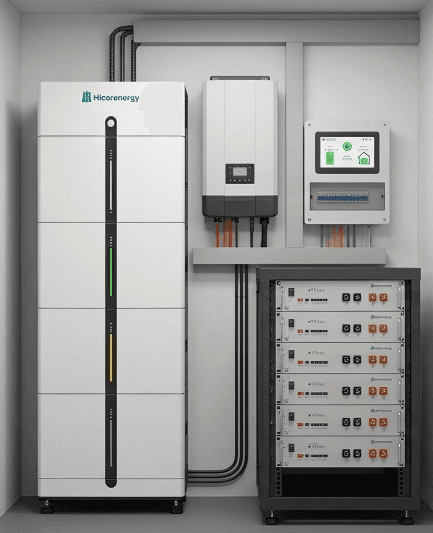
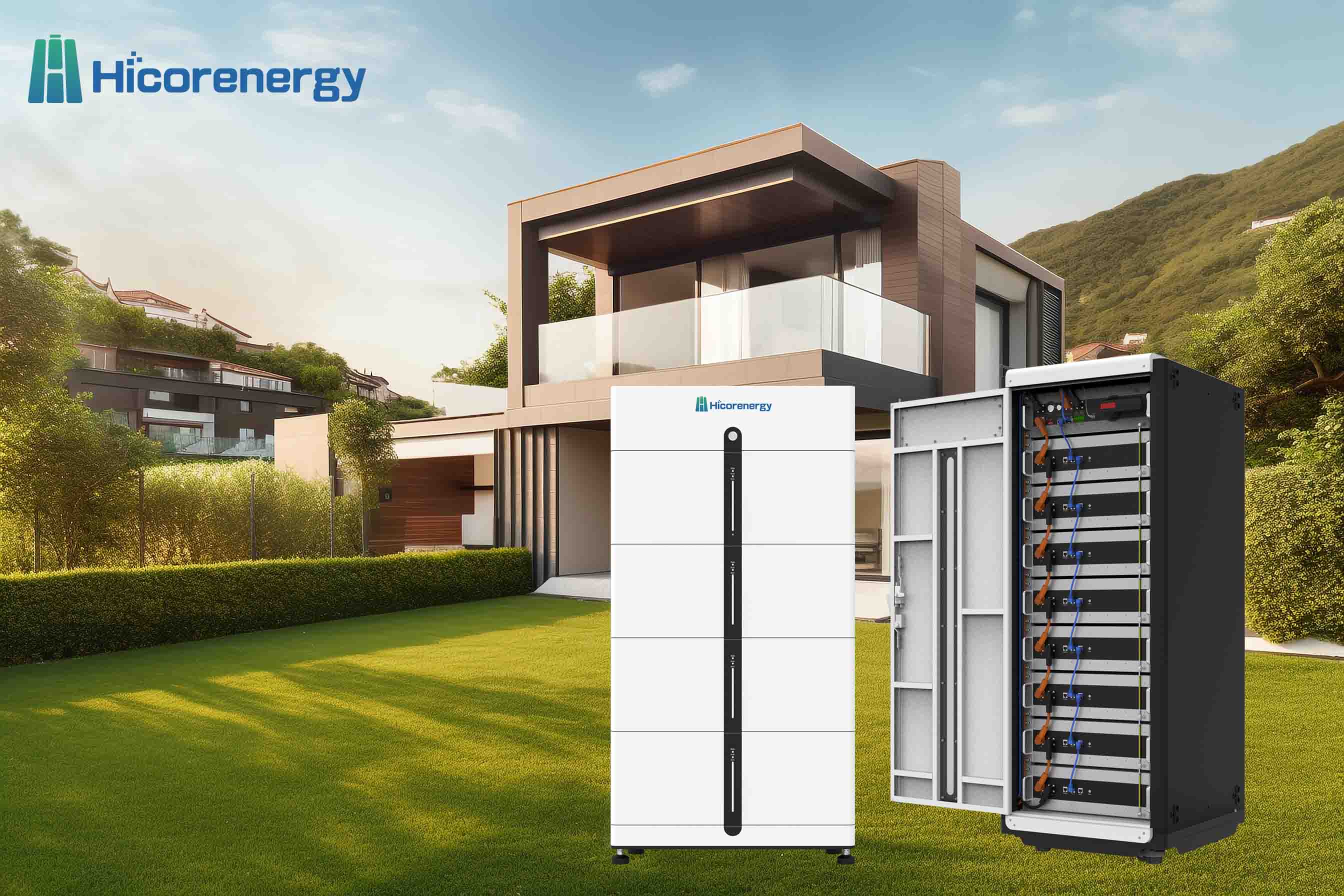
The technology underpinning these systems is advancing at an incredible pace, painting an exciting picture for the future of batteries. Innovations in battery chemistry, software management, and manufacturing are leading to solutions that are more efficient, longer-lasting, and increasingly affordable. Beyond pure performance, there is a growing emphasis on design and user experience. Today’s energy storage solutions are sleek, compact, and designed to integrate seamlessly into modern homes and businesses. Companies like Hicorenergy are at the forefront, developing products that are not just functional but also feature a progressive aesthetic, turning a utilitarian device into a sophisticated piece of technology. This fusion of power and design is making battery storage Australia more accessible and appealing than ever before, accelerating its adoption across the nation.