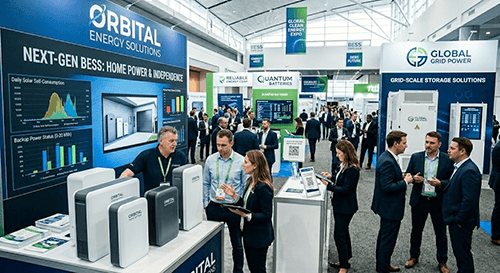
Energy Storage Battery Distributors often face costly issues due to poor battery selection, incorrect sizing, installation errors, and insufficient testing. Understanding these common mistakes and applying proper integration practices can significantly improve system performance, safety, and long-term reliability while reducing operational risks and after-sales challenges.
Understanding Energy Storage Battery Integration: A Guide for Distributors and Installers
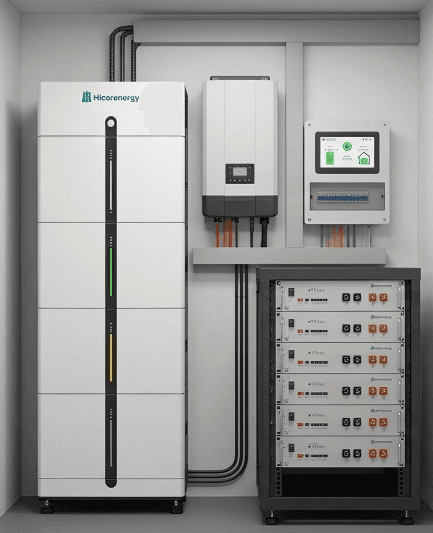
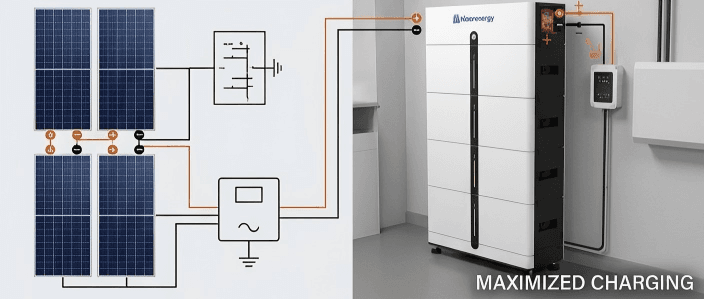
Energy storage battery integration involves combining batteries, inverters, battery management systems (BMS), and other components into a unified and efficient system. For Energy Storage Battery Distributors, this process requires not only technical knowledge but also a deep understanding of application scenarios, such as residential, commercial, and industrial use. Proper integration ensures compatibility, safety, and optimal performance. Distributors must also consider environmental factors, load requirements, and scalability. Failure to address these aspects can result in inefficient systems, increased maintenance costs, and dissatisfied customers, ultimately impacting business reputation and profitability.
Common Mistakes in Battery Selection and Sizing for Energy Storage Systems
One of the most frequent mistakes Energy Storage Battery Distributors make is improper battery selection and system sizing. Choosing batteries without considering load demand, usage patterns, or environmental conditions often leads to underperformance or unnecessary costs. Oversizing increases investment without proportional benefits, while undersizing causes frequent cycling and reduced lifespan.
Another critical issue is ignoring compatibility between batteries and inverters. Systems sourced without proper technical alignment may experience communication failures or reduced efficiency. Additionally, overlooking cycle life, depth of discharge (DOD), and temperature tolerance can lead to premature battery degradation. Reliable sources such as professional solution providers emphasize the importance of precise system design tailored to real-world applications, ensuring both cost-effectiveness and durability.
Installation Errors That Can Affect Battery Performance and Safety
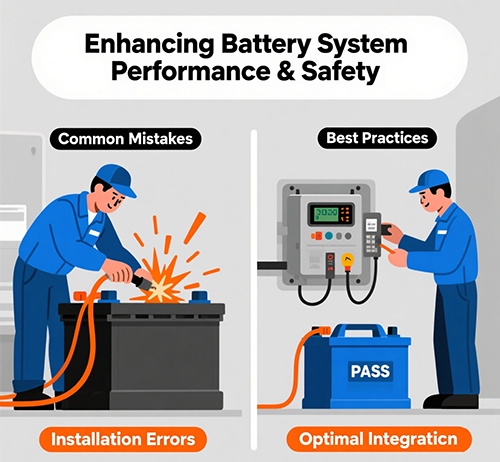
Even with the right products, poor installation practices can severely impact system performance. Incorrect wiring, inadequate ventilation, and improper mounting are common issues that Energy Storage Battery Distributors encounter. These mistakes not only reduce efficiency but also pose safety risks such as overheating or electrical faults.
This highlights the importance of moving beyond basic installation knowledge and focusing on deeper integration practices. Understanding the technical details behind electrical connections, thermal management, and system configuration is essential. By addressing these aspects, distributors can significantly improve system reliability and reduce long-term maintenance issues.
Electrical and Thermal Management Issues in Energy Storage Integration
Electrical and thermal management are critical components of successful battery integration. Poor electrical design, such as improper cable sizing or unbalanced loads, can result in energy losses and system instability. For Energy Storage Battery Distributors, ensuring proper current distribution and protection mechanisms is essential to maintain system safety.
Thermal management is equally important. Batteries operating outside their optimal temperature range experience reduced efficiency and shortened lifespan. In regions with extreme climates, inadequate cooling or heating systems can lead to severe performance degradation. Advanced systems now incorporate intelligent temperature control and monitoring features to maintain optimal conditions. Distributors must prioritize solutions with built-in protections, such as multi-layer safety systems and real-time monitoring, to ensure consistent performance across various environments.
How to Conduct Proper Testing and Validation Before Deployment
Testing and validation are often overlooked but are crucial steps for Energy Storage Battery Distributors. Before deployment, systems should undergo comprehensive checks, including performance testing, safety verification, and compatibility assessments. This ensures that all components function seamlessly under real operating conditions.
Hicorenergy products are designed to simplify this process. With features such as real-time monitoring, remote upgrading, and intelligent diagnostics, distributors can easily detect potential issues before they escalate. For example, systems equipped with advanced BMS and high-quality LiFePO4 cells provide stable performance and long cycle life, reducing the likelihood of failure. Additionally, modular and plug-and-play designs allow for faster installation and easier validation, minimizing human error. These capabilities help distributors deliver reliable systems while reducing after-sales service pressure.
Best Practices for Distributors: Avoiding Mistakes and Ensuring Long-Term System Reliability
To avoid common pitfalls, Energy Storage Battery Distributors should adopt a systematic approach to integration. This includes conducting detailed site assessments, selecting compatible components, and following standardized installation procedures. Partnering with experienced manufacturers ensures access to high-quality products and technical support.
Distributors should also prioritize training for installation teams and invest in advanced monitoring tools. Systems with remote management capabilities enable proactive maintenance and quick issue resolution. Scalability is another key factor—choosing modular solutions allows for future expansion without major redesign.
Finally, maintaining strong communication with customers is essential. Providing clear guidance on system operation and maintenance helps extend battery life and improve user satisfaction. By implementing these best practices, distributors can enhance reliability, reduce risks, and build long-term business success.
Conclusion
Energy Storage Battery Distributors can avoid costly integration mistakes by focusing on proper selection, installation, testing, and system management. Hicorenergy provides reliable, scalable, and intelligent energy storage solutions designed to enhance performance, safety, and long-term value.
Contact us today:
Email: info@hicorpower.com
WhatsApp: +86 181-0666-3226