The foundation of modern agriculture: the continuous motivation
In today's technologically advanced agricultural field, stable power supply is no longer a luxury, but an absolute necessity. Any grid disruption can have serious financial and operational consequences due to the reliance on automation systems, advanced monitoring equipment and climate control environments. Therefore, a reliable backup battery is crucial to the farm, which provides the energy security needed to maintain smooth operation regardless of the external grid condition.
Why reliable electricity is crucial to modern agriculture
Modern farms are complex centers of activities that are highly dependent on electricity. From water pumps that drive irrigation systems to automatic feeders and ventilation systems in livestock sheds, stable electricity is the lifeblood of productivity. Greenhouses rely on electricity for lighting and temperature regulation to ensure crops are maintained in optimal growth throughout the year. Sudden power outages can undermine these delicate balances, leading to crop yield reductions, livestock pressures, and pauses in processing and packaging activities. The risk of downtime highlights the urgent need for a reliable energy solution that can seamlessly connect to the main power supply in the event of a failure.
The rise of off-grid energy storage solutions
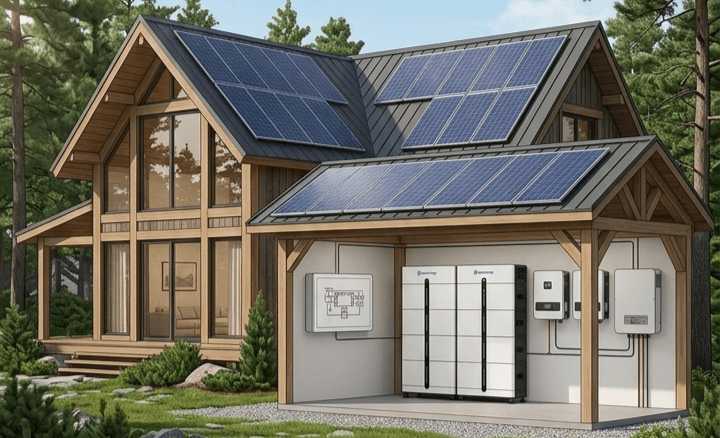
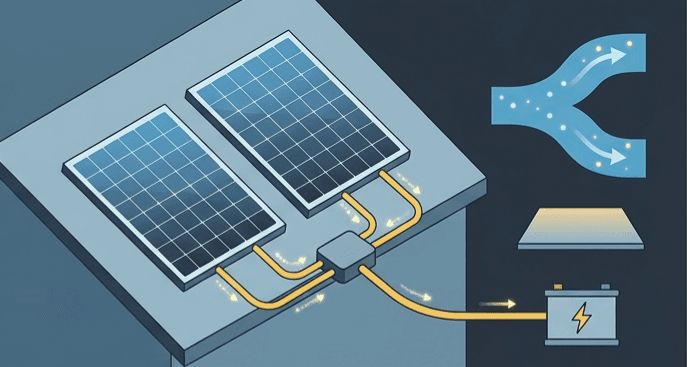
To cope with the vulnerability brought about by grid dependence, many agricultural operators are turning to off-grid energy storage solutions. These systems provide farms with an effective way to achieve energy independence and resilience. By capturing and storing energy, often from renewable energy sources, such as solar panels that are increasingly popular in rural areas, farms can create their own self-sufficiency electricity ecosystem. These stored energy can be used during power outages, nighttime and even peak hours to reduce electricity costs, allow farm operators to fully control their energy supply and effectively respond to unpredictable events.
Understand battery energy storage systems
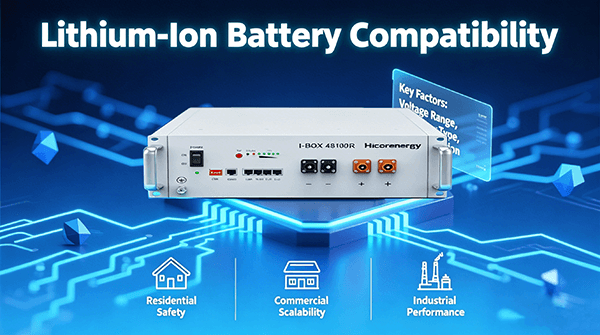
The core of this energy revolution is advanced battery energy storage systems. These systems are not simple batteries, but smart systems designed to efficiently store large amounts of electricity and release them on demand. Thanks to significant advances in battery technology in agriculture, these systems are now more compact, durable and cost-effective than ever before. They are like central energy banks that ensure that all critical farm equipment, from water pumps to security systems, continue to operate, thus ensuring farm assets and productivity.
Tailored solution: Hicorenergy Si Station 230
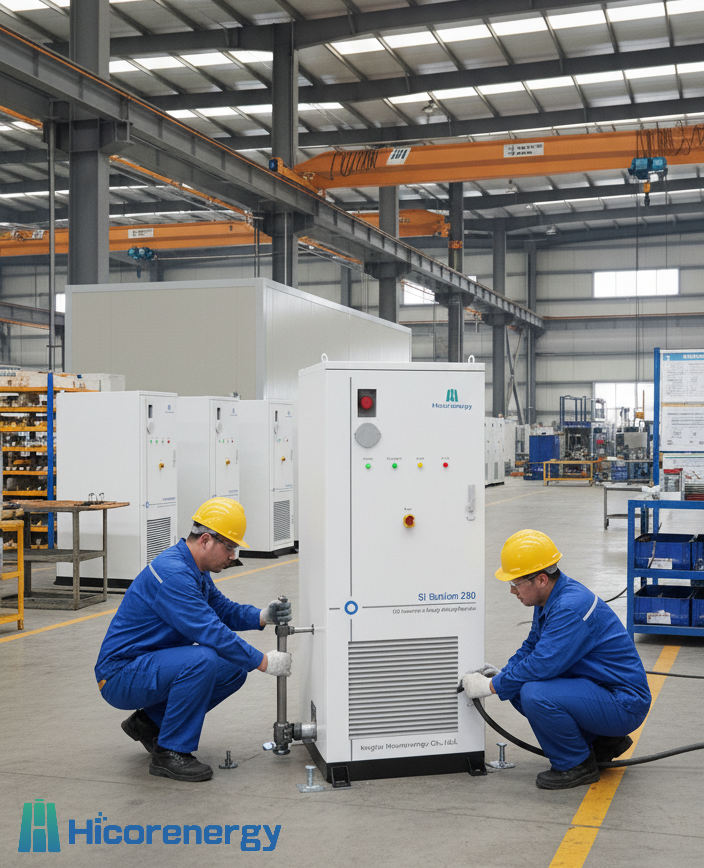
For farms seeking to invest in high-end power solutions,Hicorenergy Si Station 230. It represents the pinnacle of modern battery energy storage systems. Designed for high performance and durability, its sturdy construction can withstand a variety of environmental conditions and is ideal for outdoor agricultural environments.Hicorenergy Si Station 230.Equipped with user-friendly control panels, real-time status lights and emergency shutdowns, ensuring farm staff manages power easily and safely. In addition, its advanced cooling system enables quiet and efficient operation, which is crucial in environments where livestock tranquility is crucial. The device perfectly blends high-tech performance with design that respects the natural environment.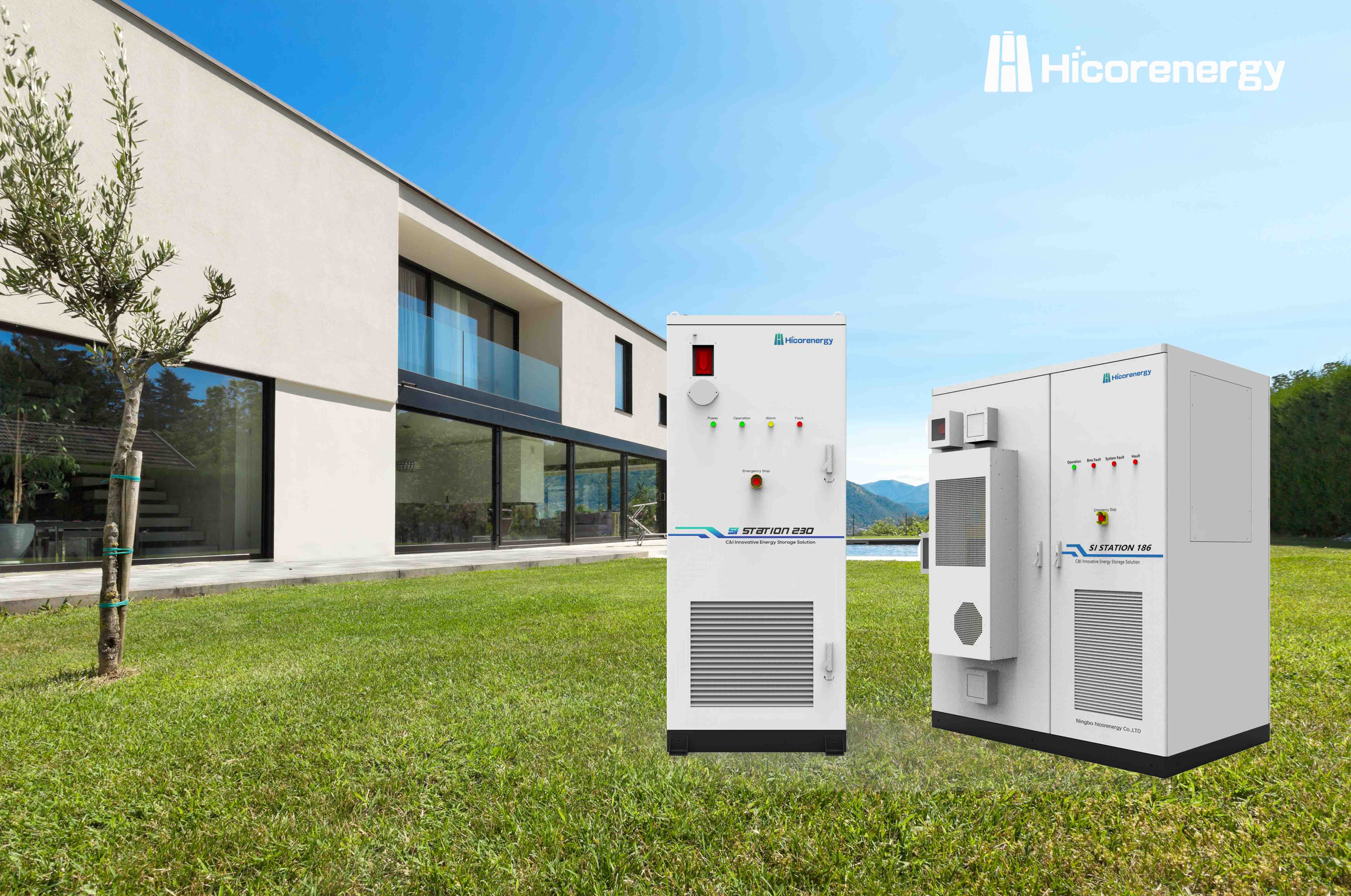
Protect the future of the farm
Ultimately, integrating backup batteries for the farm is a strategic investment designed to ensure long-term survival and successful operation of the farm. It can transform the farm from a vulnerable state to a strong and self-sufficient state. By ensuring uninterrupted power supply,Hicorenergy Si Station 230.Such solutions protect critical processes, reduce operational risks and reduce energy expenditures. Adopting this technology is a decisive step towards a more resilient, more efficient and more sustainable agriculture future.
Reliable electricity and advanced energy storage systems are essential for modern agriculture, ensuring uninterrupted operations across various farm activities. Off-grid solutions, particularly those utilizing renewable energy, provide energy independence and resilience during power outages. Systems like the Hicorenergy Si Station 230 offer durable, efficient, and cost-effective backup power for farms, reducing operational risks and enhancing long-term sustainability.
Contact Hicorenergy:
Email: info@hicorpower.com
WhatsApp: +86 181-0666-3226