In today's agricultural sector, a stable supply of electricity is not a luxury, but a lifeline of productivity and profitability. From automated irrigation systems to climate-controlled environments for livestock, modern agriculture relies heavily on electricity. Therefore, reliable backup batteries are a key element in ensuring farm operations continuity and protecting valuable assets from unexpected power outages, laying the foundation for safer and more efficient operations.
Why farms need reliable electricity
Agriculture’s dependence on sustained electricity cannot be underestimated. Think about the key functions that stop operating during power outages: the milking hall stops operating, the barn ventilator stops operating, the crop drying equipment stops operating, and the irrigation water pump also fails. Sudden power outages can interrupt these important processes, causing significant economic losses, damage animal welfare, and potentially cause the harvest to rot. Incorporating advanced battery technology into agricultural production, like an important safeguard, can prevent safety risks caused by instability in the power grid and provide the necessary peace of mind for farm operators who manage these complex and sensitive systems.
Use off-grid energy storage to achieve energy independence
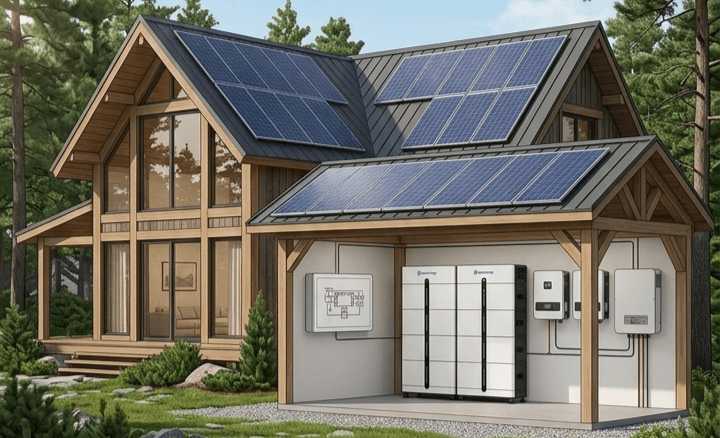
For agricultural operations in remote areas, public power grids may be extremely unreliable and even completely unusable. At this time, off-grid energy storage solutions can show their strengths, providing a way to achieve complete independence of energy. By combining powerful energy storage systems with renewable energy sources, such as solar panels spread throughout the fields or wind turbines that use rural wind power, farms can generate and store electricity themselves. These systems can capture excess electricity generated on sunny or windy days and store it for use at night or during low power generation. This strategy not only ensures sustainable and reliable power supply, but also significantly reduces long-term energy costs and helps build a more sustainable and environmentally friendly agricultural model.
Understand battery energy storage systems
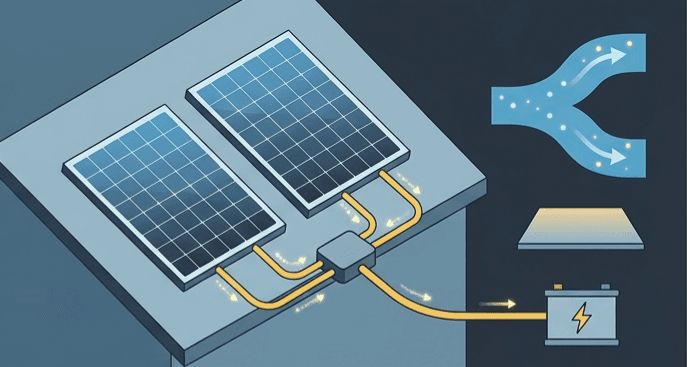
At the heart of this agricultural energy revolution is the advanced battery energy storage system (BESS). They are not simple batteries, but smart systems designed to efficiently manage power flow. They charge when power is sufficient and inexpensive — whether it’s from on-site renewable energy or off-peak grids — and release stored electricity when needed most. This can be during a power outage or during peak demand periods when grid electricity prices soar. This feature is often called "peak shaving", which can greatly save electricity bills. Modern battery energy storage systems focus on durability and efficiency, making them a practical and powerful tool in the demanding agricultural sector.
Cutting-edge solutions to meet agricultural energy needs
To meet the stringent requirements of modern farms, professional solutions designed for performance and flexibility are needed. Hicorenergy Si Station 230,Si Station 186It is an example of a high-performance oil-immersed energy storage system designed for this purpose. Its innovative immersion oil cooling technology is a key feature that extends system life and maintains stability even under heavy loads and extreme weather conditions often encountered in agricultural environments. As an ideal backup battery for the farm, it integrates seamlessly with renewable energy sources, capable of efficiently handling fluctuating power curves and providing a stable supply of electricity. Its adaptive energy storage capabilities can intelligently bridge the gap between power generation and peak demand, making it an ideal choice for grid-connected and off-grid energy storage applications.
The future of smart energy drives agriculture
The future of agriculture is inseparable from intelligent and flexible energy management. Investing in advanced energy solutions is not just a contingency plan, but also a strategic move towards greater efficiency, sustainability and long-term profitability. As battery technology continues to evolve in the agricultural sector, it allows farmers to fully control their energy needs, protect their production operations from disruptions, while paving the way for future generations to build cleaner and more resilient food production systems. This synergistic effect between technology and agriculture indicates the arrival of a new era of smart agriculture.