 In our increasingly electrified world, a consistent and reliable power supply is no longer a luxury but an absolute necessity for both residential and commercial operations. Unplanned power outages can lead to significant financial losses, data corruption, and operational disruptions. This is why robust Backup Power Systems have become a critical infrastructure component, providing a seamless bridge during grid failures and ensuring continuity. These systems have evolved significantly, moving beyond simple emergency preparedness to become sophisticated tools for intelligent energy management.
The Role of Traditional Standby Generators
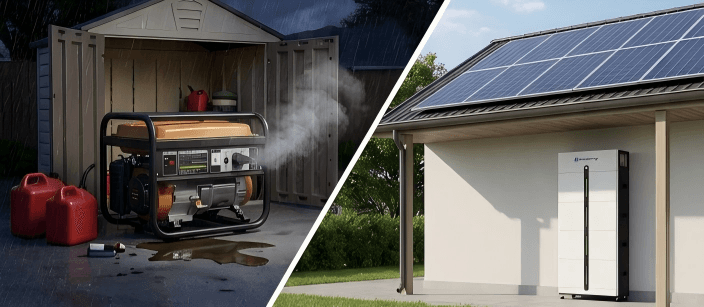
For decades, the go-to solution for power interruptions has been the generator. Specifically, Standby Generators are engineered to automatically detect a power loss, start up, and supply electricity to a building's circuits within seconds. This rapid response makes them invaluable for critical facilities like hospitals, data centers, and industrial plants. However, their effectiveness is heavily dependent on proper sizing and configuration, which underscores the importance of professional Generator Installation Services. Experts ensure that the unit is correctly integrated with the existing electrical system, meets all safety codes, and is configured for optimal performance and fuel efficiency. While dependable, traditional generators require regular maintenance, have ongoing fuel costs, and produce operational noise and emissions.
The Next Generation: Advanced Energy Storage Systems
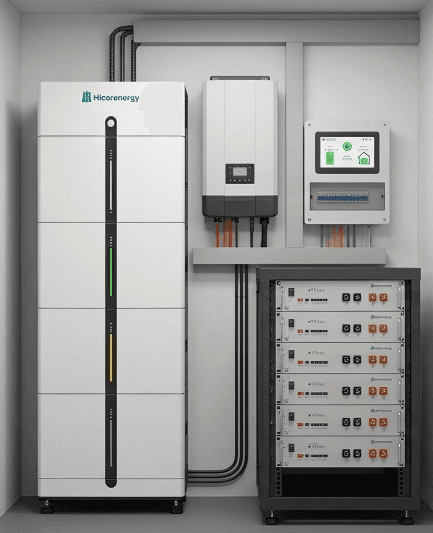
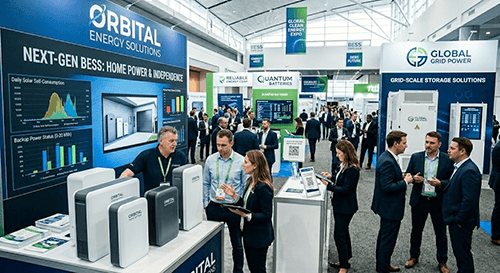
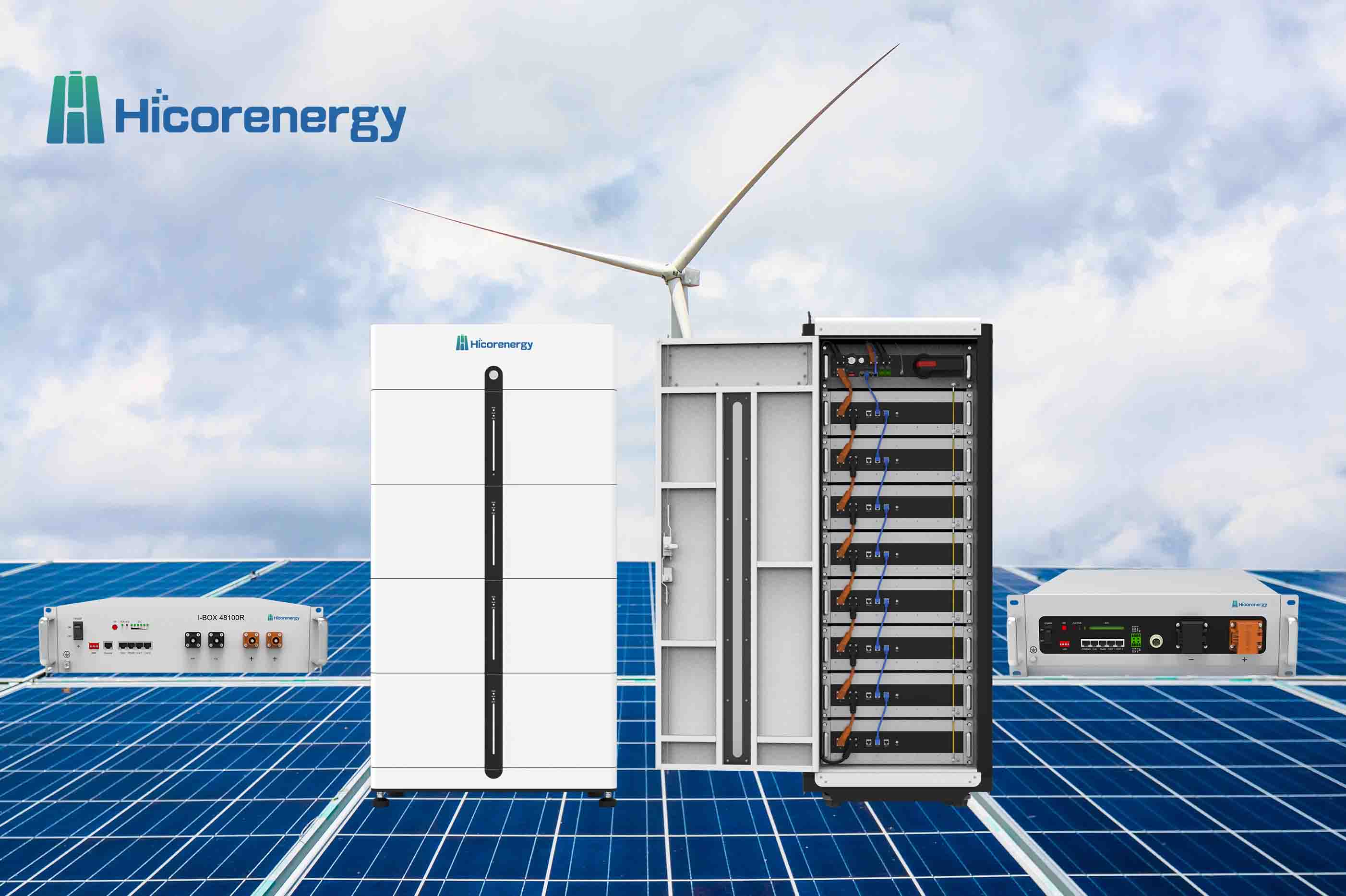
The technological landscape of backup power is rapidly shifting towards more versatile and sustainable solutions. Modern Energy Storage Systems (ESS) represent the forefront of this evolution. Unlike generators that create power, these systems store it from the grid or renewable sources like solar panels, holding it in advanced batteries until it's needed. Hiconn Energy is pioneering this field with cutting-edge solutions, including high-capacity battery cabinets built for seamless scalability and modular tower models that blend sleek design with unparalleled flexibility. These systems offer instantaneous power, operating silently and without any direct emissions, making them ideal for a wide range of residential and commercial applications. The modular design of these solutions ensures they can be tailored to specific energy needs and easily upgraded as demands change.
Inside the System: Core Components and Intelligent Control
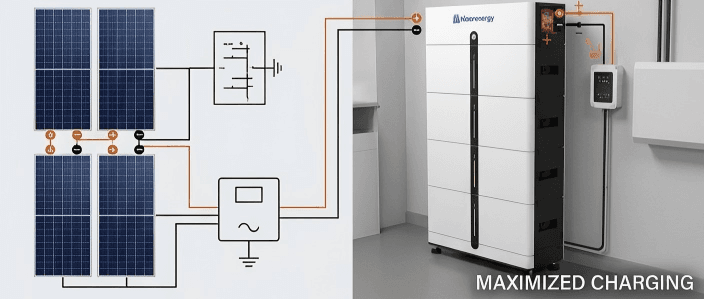
The heart of a modern ESS lies in its sophisticated components, which work in concert to manage energy flow efficiently. A critical element is the Inverter Chargers, which serve a dual purpose. They convert direct current (DC) from the batteries into alternating current (AC) to power your appliances and electronics. Inversely, they convert AC from the grid or solar panels into DC to charge the batteries. This bi-directional capability is fundamental to the system's function. This hardware is governed by an intelligent battery management system (BMS), the brains of the operation. This advanced unit, like the one offered by Hiconn Energy, provides precise control and monitoring of battery health, system status, and energy usage, maximizing both the lifespan and safety of the entire Energy Storage Systems.
Beyond Emergency Power: Optimizing Energy Costs
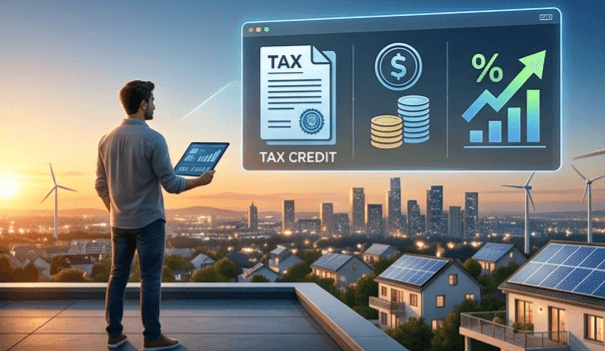
The capabilities of modern Backup Power Systems extend far beyond simply covering outages. They are powerful financial tools, particularly through the implementation of Peak Shaving Solutions. Many utilities charge higher rates for electricity during periods of peak demand. An ESS can be programmed to discharge stored energy during these expensive peak hours, allowing a business to draw from its own reserves instead of the grid. This strategy of peak shaving directly reduces electricity bills and can provide a significant return on investment. When integrated with renewable energy sources, these systems empower users with greater energy independence, reducing reliance on the utility grid and protecting against volatile energy prices, all while contributing to a more sustainable future.