Backup Power for Home: Practical Solutions for Real Installation Challenges
HomeBlogBackup Power for Home: Practical Solutions for Real Installation Challenges

Backup Power for Home: Practical Solutions for Real Installation Challenges

  • News
Posted by Hicorenergy On Aug 08 2025

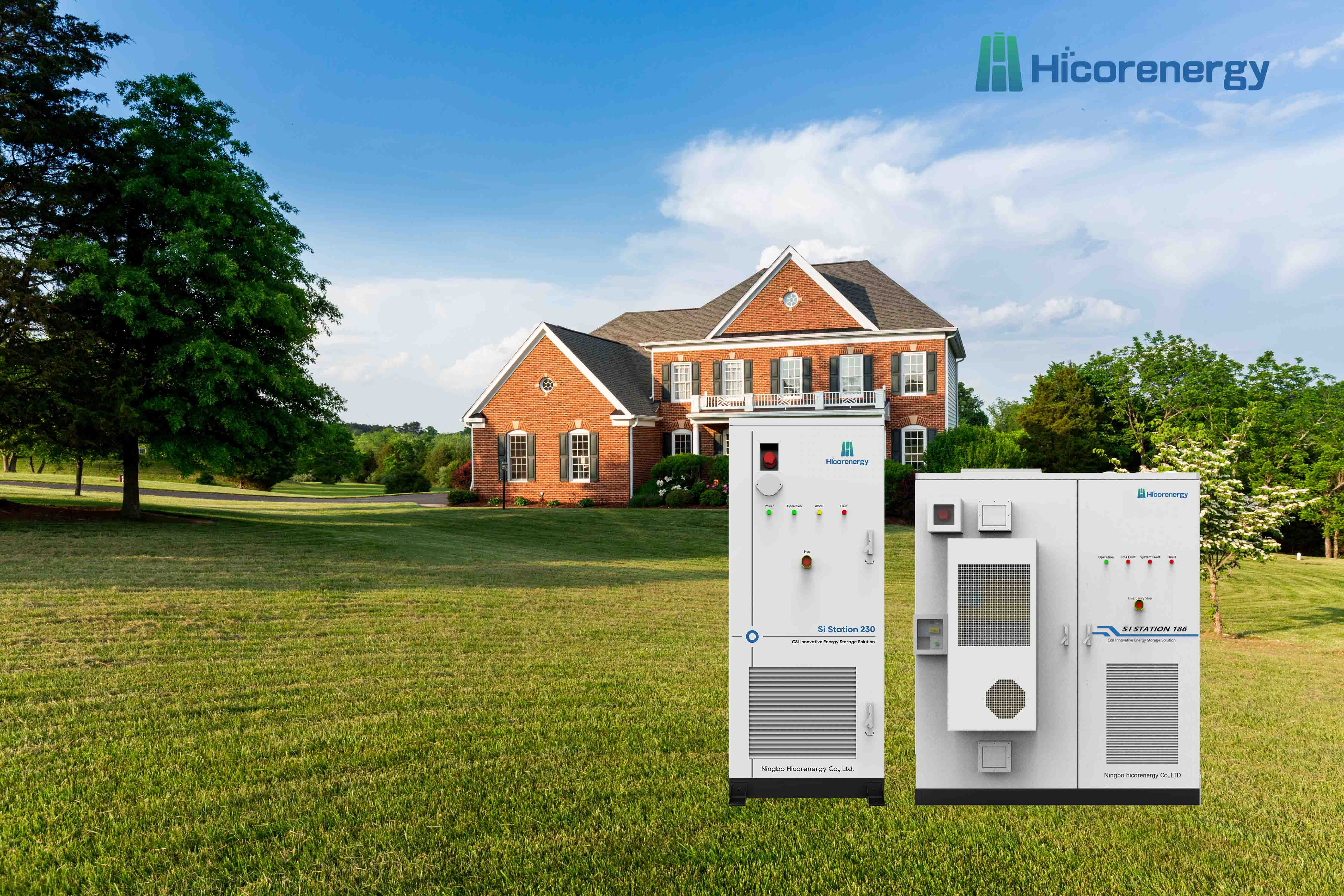
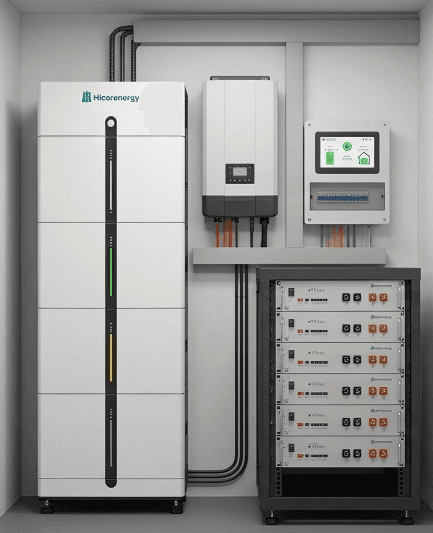
Hicorenergy battery backup system installed in a home utility room

Backup Power for Home: Practical Solutions for Real Installation Challenges

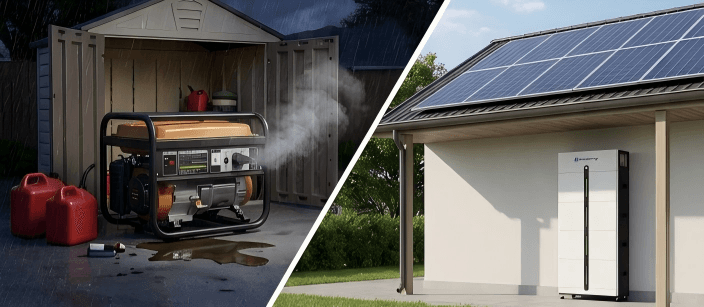
Across many regions, grid interruptions are becoming more frequent—whether due to extreme weather, aging infrastructure, or rising demand. For homeowners, backup power is now about more than convenience; it’s about keeping daily life functional and protecting essential equipment.

For B2B players—installers, EPCs, distributors—the opportunity is clear. But turning homeowner demand into successful projects means addressing some very real challenges.

Challenge 1: Limited Installation Space in Residential Settings

Problem: In dense urban areas or modern compact housing, clients often lack a dedicated equipment room. Floor space is at a premium, and bulky backup systems can be a deal-breaker.
Solution: Deploy wall-mounted lithium battery systems (5–15kWh) with slim enclosures that fit in garages, utility closets, or even hallway cabinets. Pre-drilled mounting brackets reduce install time and avoid costly structural modifications.

Challenge 2: Integration with Existing Solar or Grid Systems

Problem: Many homeowners already have rooftop solar or partial backup generators. Adding a battery backup without causing system conflicts is a technical hurdle.
Solution: Use hybrid-compatible backup systems that pair with major inverter brands (Growatt, Victron, Goodwe, Deye) and include an intelligent BMS for smooth switchover between solar, battery, and grid. This avoids rewiring large sections of the home’s electrical system.

Challenge 3: Budget Sensitivity vs. Performance Expectations

Problem: Homeowners want long runtimes during outages but are hesitant to invest in oversized systems. Installers risk losing sales if options appear too costly upfront.
Solution: Offer modular backup designs—start with a 5kWh or 10kWh system and allow future capacity expansion via stackable modules. This lets clients start small and grow as budgets or needs change, while still ensuring a clear upgrade path.

Challenge 4: Ensuring Reliable Performance During Extreme Conditions

Problem: Outages often occur during storms, heatwaves, or cold snaps—exactly when battery systems are under thermal stress.
Solution: Specify LiFePO4-based systems with proven thermal stability and integrated BMS temperature management. Ensure enclosures are IP-rated for dust and moisture protection, enabling safe operation in garages or semi-outdoor installations.

Challenge 5: After-sales Support in Distributed Markets

Problem: Distributors and EPCs operating across multiple regions can struggle to provide consistent maintenance and troubleshooting.
Solution: Choose backup power systems with remote monitoring capability. Hicorenergy’s cloud-connected BMS allows integrators to diagnose issues, update firmware, and manage fleets of residential systems without on-site visits.

Backup Power: A Strategic Addition to Any Residential Energy Portfolio

In the next three years, residential backup power will continue to grow as a primary sales driver for solar-plus-storage solutions.

For B2B partners, offering battery-based backup power for homes is not just about meeting current demand—it’s about positioning your brand as a trusted provider of reliable, expandable, and grid-resilient energy systems.

See Hicorenergy’s backup power solutions or contact our team to discuss technical specifications, OEM options, and market rollout strategies.
Categories

Featured Blogs

Tags:

Share On

Contact us

Get in touch with us for more information about our products and services

Phone
By submitting, you agree to ourPrivacy Policy

Featured Blogs

How Can Distributors Optimize Battery Transportation and Storage to Reduce Losses and Ensure Safety?

How Can Distributors Optimize Battery Transportation and Storage to Reduce Losses and Ensure Safety?

1.Understanding the Importance of Proper Battery Transportation and Storage for Distributors 2.Best Practices for Safe and Efficient Battery Transportation 3.Key Factors for Storing Batteries to Prevent Damage and Degradation 4.Temperature and Humidity Control in Battery Storage: A Critical Consideration 5.How to Avoid Common Transportation Mistakes That Can Lead to Battery Damage 6.Essential Tools and Equipment for Effective Battery Storage and Handling

Read More
What Are the Most Common Battery Integration Mistakes Energy Storage Battery Distributors Must Avoid—and How Can They Be Fixed?

What Are the Most Common Battery Integration Mistakes Energy Storage Battery Distributors Must Avoid—and How Can They Be Fixed?

1.Understanding Energy Storage Battery Integration: A Guide for Distributors and Installers 2.Common Mistakes in Battery Selection and Sizing for Energy Storage Systems 3.Installation Errors That Can Affect Battery Performance and Safety 4.Electrical and Thermal Management Issues in Energy Storage Integration 5.How to Conduct Proper Testing and Validation Before Deployment 6.Best Practices for Distributors: Avoiding Mistakes and Ensuring Long-Term System Reliability

Read More
How Does a Home Battery Backup System Work During a Power Outage: From Grid Failure to Seamless Backup?

How Does a Home Battery Backup System Work During a Power Outage: From Grid Failure to Seamless Backup?

1.How Does a Home Battery Backup System Work When the Grid Goes Down? 2.Key Components That Enable Seamless Backup Power 3.What Appliances Can a Battery Storage System Power During a Blackout? 4.How to Choose the Right Energy Storage System for Your Home

Read More
Solar Panels Series vs Parallel for Battery Charging: Which Connection Works Better for Your Battery Storage?

Solar Panels Series vs Parallel for Battery Charging: Which Connection Works Better for Your Battery Storage?

1.Series vs Parallel Solar Panels: What's the Difference for Battery Charging? 2.When to Wire Solar Panels in Series for Battery Storage Systems 3.When to Wire Solar Panels in Parallel for Battery Storage Systems 4.How to Choose the Right Configuration for Your Battery Storage

Read More
Are CEC Listed Battery Products Essential for Installers and Distributors in Australia?

Are CEC Listed Battery Products Essential for Installers and Distributors in Australia?

1.What Is CEC Listing & Why It Matters for Solar Businesses 2.How CEC Approval Unlocks STC Incentives for Your Customers 3.Quality & Reliability Benefits of CEC-Listed Solar Panels & Batteries 4.Compliance & Grid Connection: Why Installers Need CEC-Approved Products 5.CEC Listing: Boosting Business Credibility & Winning More Solar Projects 6.How to Verify CEC-Approved Products & Stay Updated on List Changes

Read More
Is Your Lithium-Ion Battery Truly Compatible with Mainstream Devices and Energy Systems?

Is Your Lithium-Ion Battery Truly Compatible with Mainstream Devices and Energy Systems?

1.Understanding Lithium-Ion Battery Technology: A Key for Distributors and Installers 2.Why Lithium-Ion Battery Compatibility Matters in Modern Energy Systems 3.Key Factors to Consider When Ensuring Lithium-Ion Battery Compatibility with Devices 4.How to Choose the Right Lithium-Ion Battery for Different Systems and Applications 5.Ensuring Safety and Efficiency: Best Practices for Distributors and Installers with Lithium-Ion Batteries 6.Future Trends in Lithium-Ion Battery Compatibility and How Distributors Can Stay Ahead

Read More
attitude

It's All About Attitude!