Avoiding Common Mistakes & Mastering Long-Term Lithium Battery Storage
HomeBlogAvoiding Common Mistakes & Mastering Long-Term Lithium Battery Storage

Avoiding Common Mistakes & Mastering Long-Term Lithium Battery Storage

  • News
Posted by Hicorenergy On Dec 19 2025

Proper long-term storage of lithium batteries is essential for maintaining their performance and longevity. However, many individuals make critical mistakes that could damage the batteries. This article provides expert advice on the best practices for storing lithium batteries safely and effectively.

Top 5 Dangerous Mistakes to Avoid When Storing Lithium Batteries at Home

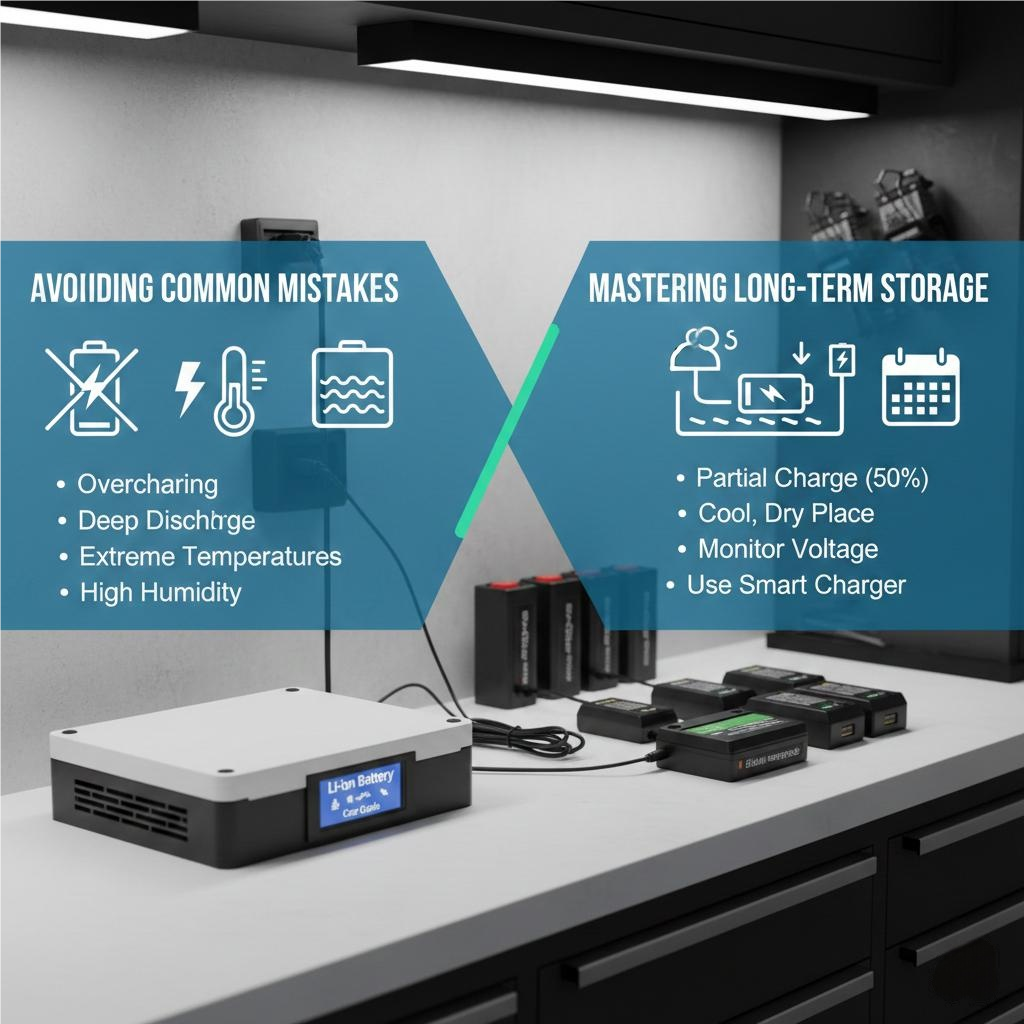
When storing lithium batteries, it's easy to overlook some key factors. Here are the top 5 mistakes that could damage your batteries:

  1. Storing at Extreme Temperatures: High heat can cause the battery to overheat, reducing its lifespan.

  2. Ignoring Battery Charge Levels: Storing a battery fully charged or fully depleted can negatively impact its performance.

  3. Improper Storage Location: Storing batteries in damp or unventilated areas can lead to corrosion or degradation.

  4. Using Incompatible Charging Equipment: Always use the right charger designed for your specific battery model.

  5. Failure to Inspect Regularly: Neglecting to check the condition of batteries periodically can lead to unexpected issues.

Pro Tips for Long-Term Storage: How to Maintain Your Lithium Battery's Health

To keep your lithium battery in top condition, proper storage techniques are essential. Be sure to store your battery in a cool, dry place and maintain it at about 50% charge. Avoid prolonged exposure to extreme temperatures, and check the battery regularly for any signs of damage or wear.

The Ideal Environment: Temperature, Humidity, and Setup for Safe Battery Storage

The ideal storage environment for lithium batteries is a temperature range of 20°C to 25°C (68°F to 77°F) with low humidity. Storing batteries in a place with minimal temperature fluctuations is crucial. Ensure the batteries are stored upright in a well-ventilated area, away from direct sunlight and moisture. Proper setup will not only extend the lifespan of the battery but also ensure that it remains functional when needed.

Before and After Storage: Essential Maintenance and Safety Checks for Lithium-Ion Batteries

Before storing your lithium-ion batteries, it’s essential to perform a thorough inspection. Check for any signs of damage, leakage, or bulging, and dispose of faulty batteries safely. After storing, always inspect the battery again before use to ensure it has not deteriorated. Recheck the charge level, and make sure there is no corrosion on the terminals.
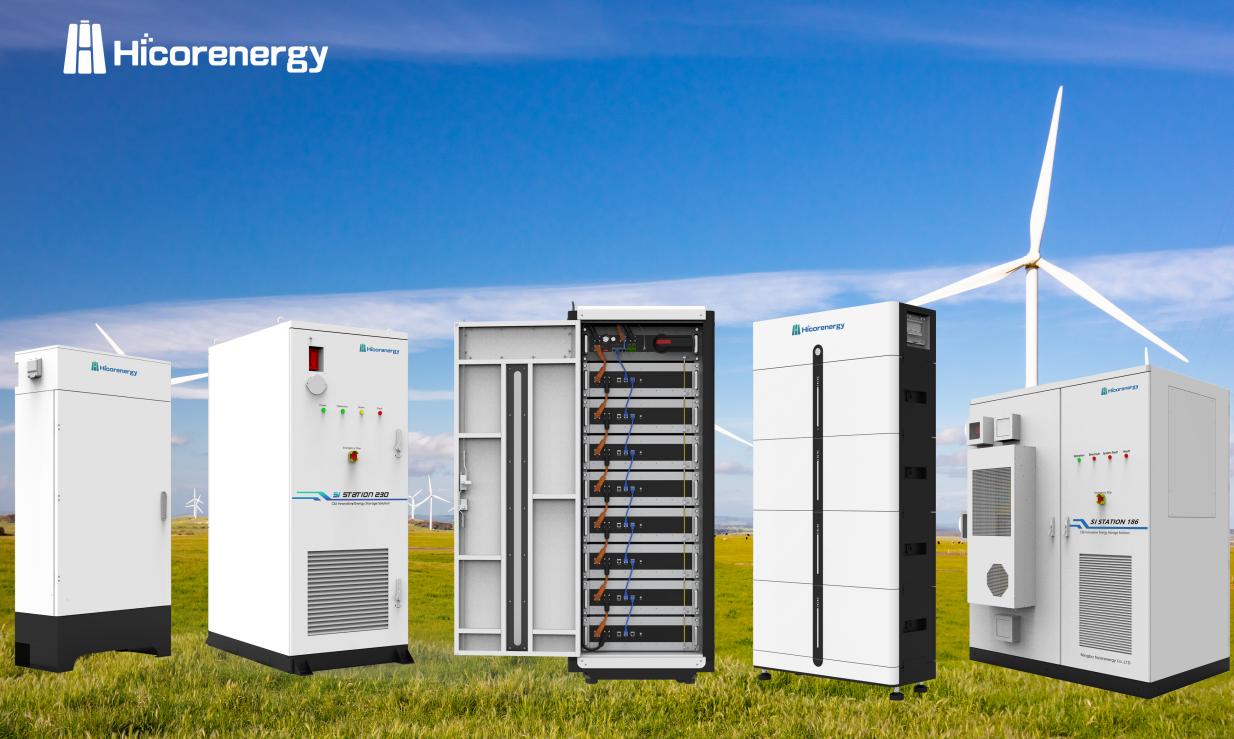
Hicorenergy Products Overview

Hicorenergy offers a range of high-quality lithium-ion batteries, designed for both home and industrial applications. Our products, including the Si LV1 and I-BOX 48100R, provide exceptional energy storage solutions with enhanced safety features for long-term use.

Contact Us
Email: info@hicorpower.com
WhatsApp: +86 181-0666-3226
Categories

Featured Blogs

Share On

Contact us

Get in touch with us for more information about our products and services

Phone
By submitting, you agree to ourPrivacy Policy

Featured Blogs

Why Does Battery Power Measurement Matter for Optimizing Solar Storage Performance?

Why Does Battery Power Measurement Matter for Optimizing Solar Storage Performance?

1.How Accurate Power Measurement Maximizes Solar Self-Consumption and ROI 2.Key Metrics to Monitor: State of Charge, State of Health, and Round-Trip Efficiency 3.Essential Tools for Solar Battery Monitoring: From BMS Data to IoT Platforms? 4.Common Measurement Mistakes That Reduce Solar Storage Efficiency?

Read More
Why Does Lithium-Ion Dominate Industrial Energy Storage Solutions Over Flywheels and Flow Batteries?

Why Does Lithium-Ion Dominate Industrial Energy Storage Solutions Over Flywheels and Flow Batteries?

1.Lithium-Ion Batteries: The Market Leader in Industrial Energy Storage 2.Comparing Industrial Applications: When to Choose Lithium-Ion vs. Flywheels vs. Flow Batteries 3.Safety and Lifespan: How Lithium-Ion Stacks Up Against Flywheels and Flow Batteries 4.The Future of Industrial Storage: Lithium-Ion Advancements and Hybrid System Integration

Read More
Understanding Battery Cycles and Depth of Discharge (DOD): A Guide for Distributors and Installers

Understanding Battery Cycles and Depth of Discharge (DOD): A Guide for Distributors and Installers

1.What Is a Complete Cycle in Energy Storage? 2.Depth of Discharge (DOD) and Its Role in Battery Life 3.Partial vs. Complete Cycles: What’s the Difference? 4.How Battery Cycles Impact Warranty and Service Life 5.Maximizing Battery Lifespan: Tips for Reducing the Depth of Discharge 6.Where to Buy Reliable Energy Storage Systems for Distributors and Installers

Read More
Can Hicorenergy Batteries Be Connected in Series for Higher Voltage? A Guide for Distributors and Installers

Can Hicorenergy Batteries Be Connected in Series for Higher Voltage? A Guide for Distributors and Installers

1.Understanding Hicorenergy Batteries: Features and Specifications 2.Benefits of Connecting Batteries in Series for Higher Voltage 3.How to Safely Connect Hicorenergy Batteries in Series 4.Voltage Requirements and Compatibility for Series Connections 5.Potential Risks and Safety Considerations When Connecting in Series 6.Where to Buy Hicorenergy Batteries for Distributors and Installers

Read More
Are Wall Mount Batteries Safe? Answering 5 Common Homeowner Questions

Are Wall Mount Batteries Safe? Answering 5 Common Homeowner Questions

1.What Are the Primary Safety Standards for Wall Mount Batteries? 2.Can a Wall Mount Battery Overheat or Cause a Fire? 3.Is It Safe to Install a Wall-Mounted Battery Indoors? 4.How Do Modern Batteries Prevent Electrical Hazards? 5.Final Verdict: Balancing Safety with Home Energy Independence

Read More
What Does the Regulator’s Crucial Warning Reveal About the Sigenergy Plug Incident for Distributors and Installers?

What Does the Regulator’s Crucial Warning Reveal About the Sigenergy Plug Incident for Distributors and Installers?

1.Incident Analysis: What Happened with the Sigenergy Melted Plugs? 2.Regulator's Key Findings and Mandatory Safety Directives 3.Supply Chain Vigilance: How Distributors Can Mitigate Component Risk 4.Installer Checklist: Verifying Product Compliance and Safe Installation Practices 5.Beyond the Recall: Building Long-Term Trust in Energy Storage Brands 6.Proactive Risk Management: Resources for Staying Ahead of Safety Standards

Read More
attitude

It's All About Attitude!