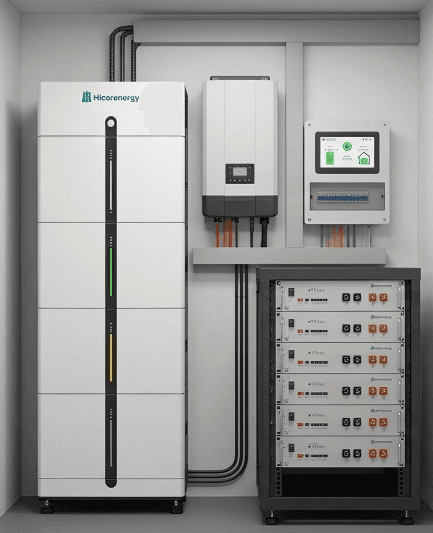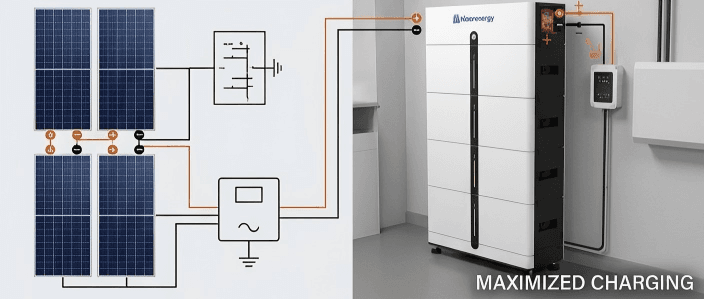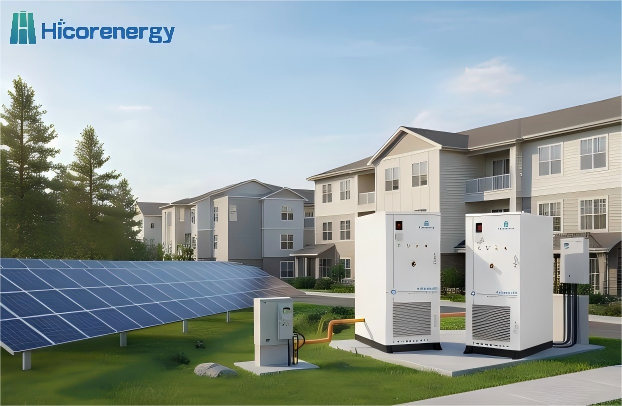
The All-in-One Energy Storage System is transforming how we manage power in both residential and commercial environments. This integrated solution from Hicorenergy combines storage, management, and distribution into a single streamlined unit, meeting the growing global demand for reliable and sustainable energy. By merging advanced battery technology with intelligent controls, it optimizes energy consumption, maximizes the use of renewables, and significantly reduces dependence on traditional power grids.
Exploring Commercial ESS Applications: Powering Business Efficiency and Reliability
Commercial Energy Storage Systems (ESS) are essential for maintaining a stable and cost-effective power supply in business settings. These systems help companies manage peak demand periods, store low-cost energy during off-peak hours, and avoid expensive usage spikes. For example, Hicorenergy’s Power Stack Module—with its modular and scalable design—enables businesses to expand storage capacity as their energy requirements grow. This flexibility reduces operational downtime and supports seamless integration with renewable sources like solar and wind. Through intelligent monitoring and predictive response to energy fluctuations, Commercial ESS ensures continuous operation, making it a cornerstone of modern, resilient energy infrastructure.
Advancements in Lithium-Ion Battery ESS Technology: Powering the Future Safely and Efficiently
Lithium-ion battery ESS represents the forefront of energy storage innovation, offering superior energy density, extended cycle life, and reliable performance for both residential and commercial applications. Using advanced cathode and anode materials, these systems enable highly efficient charging and discharging with minimal energy loss. Hicorenergy’s lithium-ion ESS solutions are built with safety as a priority—incorporating sophisticated thermal management to prevent overheating and ensure consistent operation across diverse conditions. For homeowners, this means dependable backup power during outages, while businesses benefit from enhanced load balancing and demand management. With the ability to retain charge over long durations, lithium-ion ESS also supports off-grid and remote applications, delivering a cost-effective and durable energy storage solution for the long term.
Benefits of ESS for Residential Use: Energy Independence Starts at Home
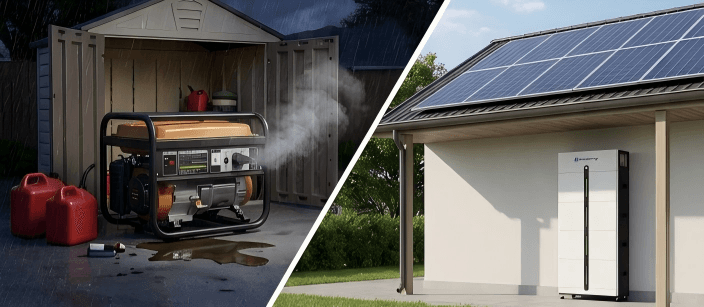
Energy Storage Systems for residential use are turning households into self-reliant energy hubs. By storing surplus solar or wind energy, families can power their homes day and night—reducing electricity bills and minimizing their carbon footprint. Hicorenergy’s residential ESS features a sleek, modular design that blends into home environments and allows for easy expansion as energy needs change. With automatic switching during grid outages, these systems enhance energy availability and keep essential appliances running without interruption. Technologically, smart inverters and controllers maintain voltage stability and maximize efficiency. Widespread adoption of residential ESS not only empowers individual households but also alleviates pressure on public grids and supports global sustainability targets.
Enhancing Energy Availability for a Sustainable Future
Enhanced energy availability lies at the core of modern energy storage systems, enabling homes and businesses to access clean, reliable power whenever it’s needed. This is especially critical in areas with variable renewable generation, where solutions like Hicorenergy’s All-in-One Energy Storage System store surplus energy for later use. Integrated with solar arrays or wind turbines, the system maximizes clean energy utilization and reduces waste. Both Commercial ESS and lithium-ion battery ESS contribute to this vision by delivering robust storage that adapts to changing demand, while residential ESS offers intuitive user controls for personalized energy management. Supported by smart algorithms for energy forecasting and distribution, these systems ensure power is available where and when it matters most—paving the way for a more resilient, efficient, and sustainable energy future.
Join Hicorenergy in embracing solar battery storage and step confidently into a cleaner, greener tomorrow.
Contact us via Email: info@hicorpower.com or WhatsApp: +86 181-0666-3226.