All-in-one Energy Storage: Integrated Power Solutions for a Changing Market
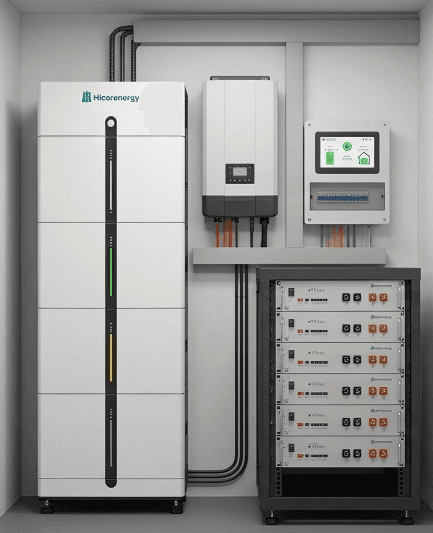
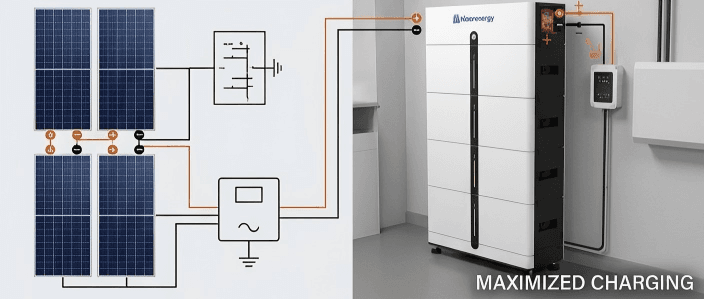
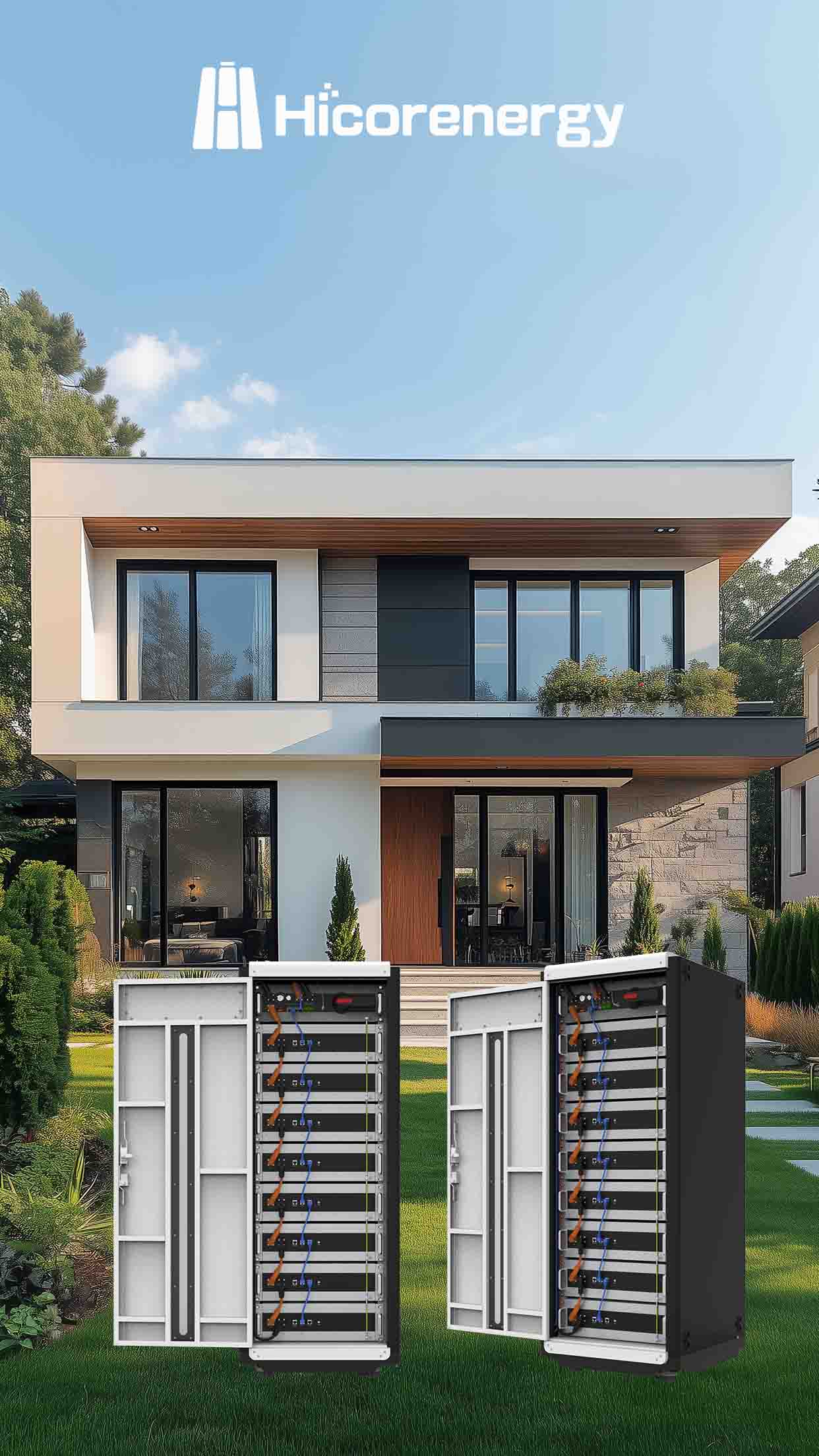
In the fast-evolving energy storage sector, all-in-one systems—integrating batteries, inverters, and control systems into a single enclosure—are becoming a preferred choice for installers and project developers.
They’re not just about aesthetics; they address real-world challenges in deployment speed, space management, and system compatibility—key factors for residential, commercial, and off-grid markets.
Why All-in-one Systems Are on the Rise
For many projects, energy storage deployment is slowed by multiple hardware sources, complex wiring, and on-site configuration. An all-in-one energy storage system solves these bottlenecks:
-
Fewer integration points – Reducing wiring errors and compatibility risks.
-
Faster commissioning – Systems arrive pre-configured, cutting installation time from days to hours.
-
Space efficiency – A single, compact footprint for battery and inverter.
-
Simplified logistics – One shipment, one SKU, fewer supply chain variables.
According to IHS Markit, integrated residential energy storage shipments are projected to grow by over 20% annually in the next three years, driven by demand for turnkey, low-maintenance solutions.
Field Challenges and How All-in-one Systems Solve Them
Through projects with EPCs, off-grid developers, and distribution partners, three recurring challenges emerge when deploying energy storage:
1. Multi-vendor complexity
Projects that source batteries, inverters, and control systems from different suppliers often face wiring mismatches, delayed commissioning, and unpredictable performance.
Solution: All-in-one systems arrive factory-integrated, tested, and pre-wired—reducing on-site coordination time and installation errors.
2. Limited technical resources on site
In emerging markets or remote installations, trained electricians and advanced tools are not always available.
Solution: Plug-and-play architecture with simplified connection points allows local teams to complete installation with minimal training, often in a single day.
3. Tight project timelines
Commercial clients and community projects often demand faster go-live dates to meet seasonal energy demand or funding deadlines.
Solution: A single-cabinet, transport-ready design reduces logistics complexity and can be shipped and installed as a single unit, cutting total deployment time by up to 40%.
These problem-solution patterns make all-in-one energy storage not just a hardware choice, but an operational advantage for integrators working under time, budget, and resource constraints.
What to Look for When Choosing an All-in-one System
If you’re sourcing for EPC, OEM, or distribution channels, a few criteria help ensure long-term success:
-
Battery Chemistry – LiFePO4 cells for safety and lifespan.
-
Inverter Rating – Match continuous output with peak demand scenarios.
-
Thermal Management – Integrated cooling to support sustained operation.
-
BMS + EMS Integration – Smart monitoring and remote control capabilities.
-
Certification Package – Compliance with CE, UN38.3, and regional grid codes.
Channel and OEM Advantages
For distributors and OEM partners, all-in-one units offer distinct commercial benefits:
-
Lower stock complexity – One model covers multiple use cases.
-
Easier after-sales support – Single-point diagnostics for both inverter and battery.
-
Custom branding potential – Enclosure design and user interface can be tailored.
-
Training efficiency – Fewer components to learn, faster installer onboarding.
All-in-one, All-in-demand: A Product Category to Watch
In the next three years, all-in-one energy storage will transition from a “premium option” to a standard offering in many residential and light-commercial markets.
Its ability to shorten project timelines, reduce system risk, and simplify both procurement and deployment makes it a strategic product type for high-turnover distribution models.
For EPCs, integrators, and OEM distributors, integrating an all-in-one option into your portfolio is less about following a trend—and more about aligning with where the market is moving.
Explore Hicorenergy’s all-in-one systems or contact our team to discuss specifications, regional compliance, and distribution strategies.