As the global demand for advanced energy storage continues to expand, the importance of performance, safety, and longevity in lithium-ion battery systems has never been greater. Central to this challenge is thermal management, which directly impacts both efficiency and operational reliability. Without proper heat regulation, batteries can suffer from decreased performance, shortened lifespans, and safety concerns. This is why an advanced Air Cooling Battery System is not merely an optional feature but a fundamental requirement for modern energy storage solutions, ensuring sustainable and dependable operation for households, businesses, and large-scale projects worldwide.
The Challenge of Thermal Management in Batteries
Every charge and discharge cycle produces heat, a natural byproduct of internal chemical reactions. However, unmanaged heat can accelerate material degradation, reducing capacity and significantly shortening a battery’s lifespan. More critically, excessive temperatures can trigger thermal runaway—a rapid chain reaction leading to dangerous failure. Therefore, effective lithium-ion battery cooling methods are essential. Manufacturers face the ongoing challenge of designing thermal management systems that combine cost-effectiveness, efficiency, and seamless integration.
The Simplicity and Efficiency of Air Cooling
Among the various approaches to thermal management, the Air Cooling Battery System stands out for its elegant simplicity and reliability. This method utilizes the surrounding air to dissipate heat from the battery cells. The system can be passive, relying on natural convection and strategically placed vents to allow hot air to escape, or active, using fans to force a consistent flow of cool air over the battery modules. Often, these systems incorporate heat sinks—metal components with large surface areas—to draw heat away from the cells more effectively, where it can then be carried away by the airflow. This approach avoids the complexity and potential leakage issues associated with liquid cooling, making it an ideal solution for many residential and commercial applications.
Why Choose an Air Cooled System?
The primary advantages of air cooling are its reliability and cost-effectiveness. With fewer moving parts compared to liquid-based systems, there are fewer potential points of failure, leading to lower maintenance requirements and greater long-term dependability. The components, such as fans and vents, are generally less expensive to manufacture and install, which helps keep the overall cost of the energy storage unit accessible. Furthermore, air cooling systems are typically lighter and require less space, giving designers more flexibility to create compact and aesthetically pleasing products that can easily fit into a home or office environment without the need for bulky external plumbing or reservoirs.
Hicorenergy’s Advanced Cooling for Modern Homes
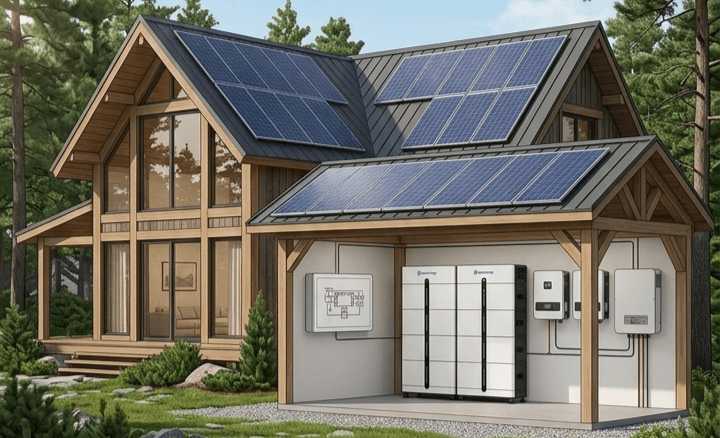
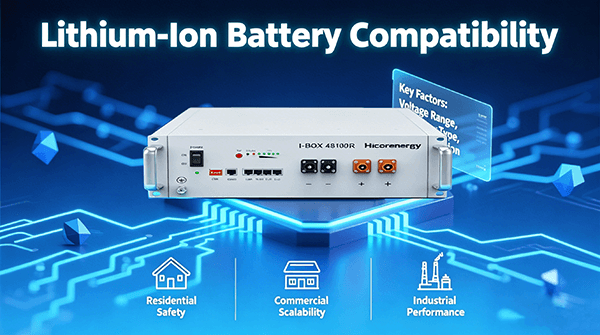
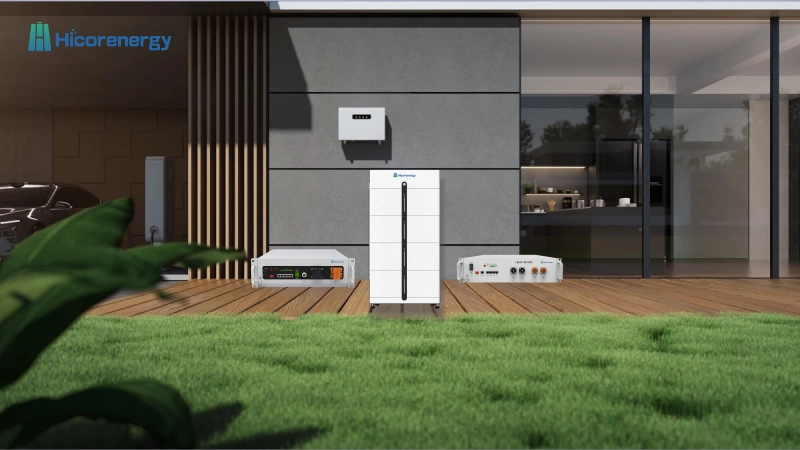
As a leading lithium battery solution provider with over 20 years of industry expertise, Hicorenergy has integrated sophisticated Air Cooling Battery Systems into products designed for residential and commercial use. For example, the I-Box 48100R offers homeowners a safe, efficient, and compact storage solution with flexible installation options, while the Si LV1 provides scalable backup power that can expand up to 122.88 kWh with effortless plug-and-play design.
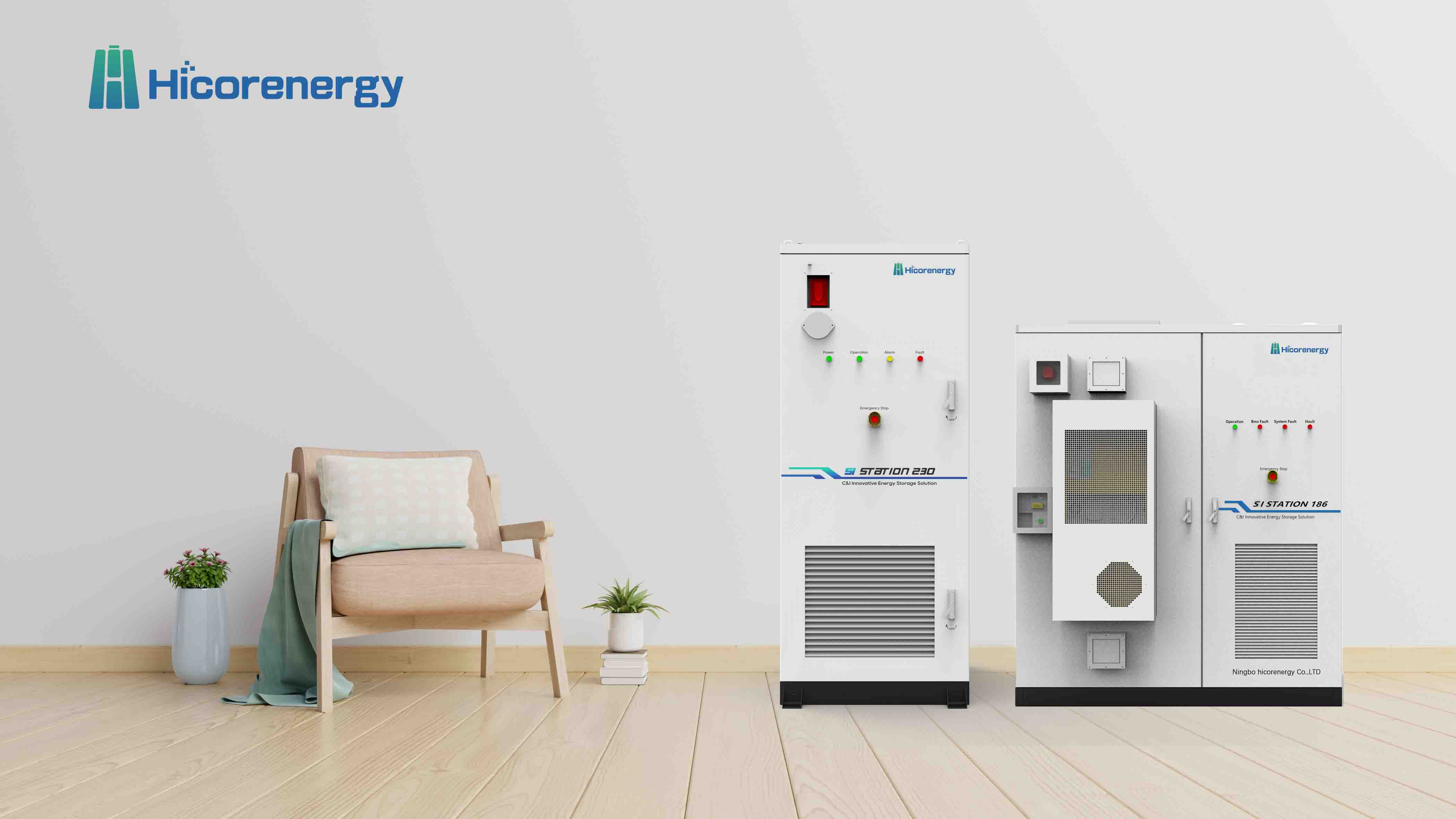
On the commercial side, the Si Station 186 utilizes advanced air cooling technology to support 186kWh of storage capacity, ideal for power plants, distribution grids, and large-scale renewable projects. These systems are engineered with optimal airflow pathways to keep lithium-ion cells at safe operating temperatures, ensuring durability, safety, and high efficiency.
Expanding Applications of Air-Cooled Energy Storage
Air cooling technology is increasingly being adopted in diverse applications such as off-grid solar storage, peak shaving, demand response, and emergency backup power. For residential users, it provides an affordable solution for reducing grid dependence and protecting against outages. For businesses and utilities, air-cooled systems support stable operation in challenging climates and lower infrastructure costs compared to liquid-cooled alternatives. In regions with high electricity costs or unreliable power supply, air-cooled lithium-ion storage systems offer both economic and operational benefits.
The Right Cooling Solution for Your Energy Needs
Selecting the right energy storage system requires considering multiple factors—capacity, compatibility, safety, and scalability—but thermal management is often the most overlooked. For most residential and light commercial use cases, air cooling provides the ideal combination of safety, affordability, and low maintenance. Backed by Hicorenergy’s global expertise, multi-regional service network, and commitment to reliable green energy, customers gain peace of mind knowing their investment will deliver lasting value.
In today’s fast-evolving energy landscape, companies like Hicorenergy demonstrate that air cooling is not only a practical thermal management strategy but also a pathway toward more efficient, safer, and smarter lithium-ion energy storage solutions. By integrating advanced Air Cooling Battery Systems into cutting-edge designs, Hicorenergy is helping households, businesses, and entire communities embrace a sustainable energy future with confidence.
Contact us:
Email: info@hicorpower.com
WhatsApp: +86 181-0666-3226