As our reliance on advanced energy storage grows, the performance and safety of the underlying technology become paramount. Lithium-ion batteries, the powerhouse behind everything from residential power stations to large-scale commercial units, generate significant heat during their charge and discharge cycles. If left unmanaged, this heat can lead to decreased efficiency, a shorter operational lifespan, and potential safety risks. Addressing this thermal challenge is crucial, and one of the most reliable and widely adopted solutions is the Air Cooling Battery System, a technology designed to maintain optimal operating temperatures and ensure long-term reliability.
The Critical Role of Thermal Management
Every battery system operator faces the fundamental problem of heat generation. During operation, the internal chemical reactions within lithium-ion cells produce thermal energy. Excessive heat accelerates the degradation of internal components, diminishing the battery's capacity to hold a charge over time. In more severe cases, it can trigger a dangerous condition known as thermal runaway, where a chain reaction of overheating can cause catastrophic failure. Therefore, implementing an effective battery thermal management system (BTMS) is not just an option but a necessity for safe and efficient operation. A well-designed system actively dissipates heat, keeping the cells within their ideal temperature range of approximately 15°C to 35°C.
An Overview of Lithium-ion Cooling Methods
When it comes to managing battery temperature, engineers have developed several sophisticated Lithium-ion Cooling Methods. These can be broadly categorized into active and passive systems. Active systems, which include forced air and liquid cooling, use external power to enhance heat transfer. Passive systems rely on natural convection or phase-change materials to absorb and dissipate heat without consuming energy. The choice of cooling method depends on various factors, including the application's power density, the ambient operating environment, cost constraints, and system complexity. While liquid cooling offers superior thermal performance for high-demand applications, air cooling presents a compelling balance of simplicity, cost-effectiveness, and reliability for a vast range of energy storage solutions.
The Mechanics and Benefits of an Air Cooling Battery System
An Air Cooling Battery System functions by circulating ambient or chilled air across the surface of the battery modules to carry away excess heat. This can be achieved through natural convection, where heat naturally rises and creates airflow, or through forced convection, which utilizes fans to direct a consistent stream of air. The primary advantage of this approach lies in its simplicity. With fewer components, no risk of coolant leakage, and lower maintenance requirements, air cooling is a robust and dependable choice. This makes it an ideal solution for systems like Hicorenergy's Modular Battery Packs and Rack-Mounted Storage Units, where intelligent design can optimize airflow paths to ensure each cell is cooled effectively, promoting a balanced temperature across the entire pack.
Intelligent Design in Modern Battery Systems
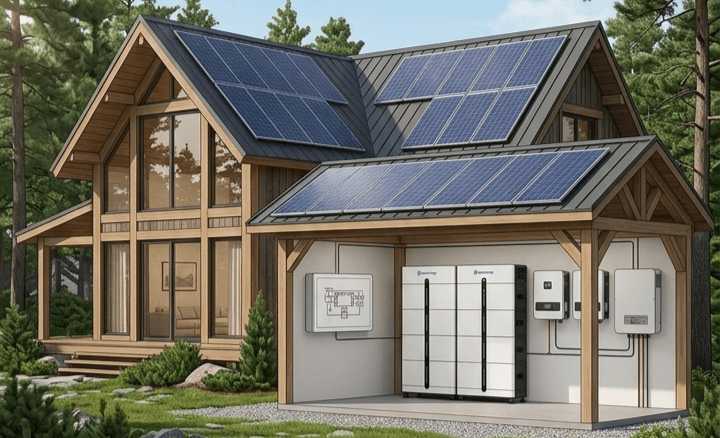
The effectiveness of air cooling is significantly enhanced by intelligent product design. For instance, Hicorenergy’s innovative energy storage products are engineered with thermal management as a core principle. The sleek Hicorenergy Power Station and minimalist Standalone Energy Unit feature strategically placed vents and internal pathways that maximize natural and forced airflow. The stackable, modular design of our battery packs ensures that even as you scale your energy storage, the cooling efficiency is not compromised. By integrating the principles of thermodynamics directly into the physical design, these systems ensure that simple air cooling is more than sufficient for maintaining peak performance and safety in residential and light commercial applications.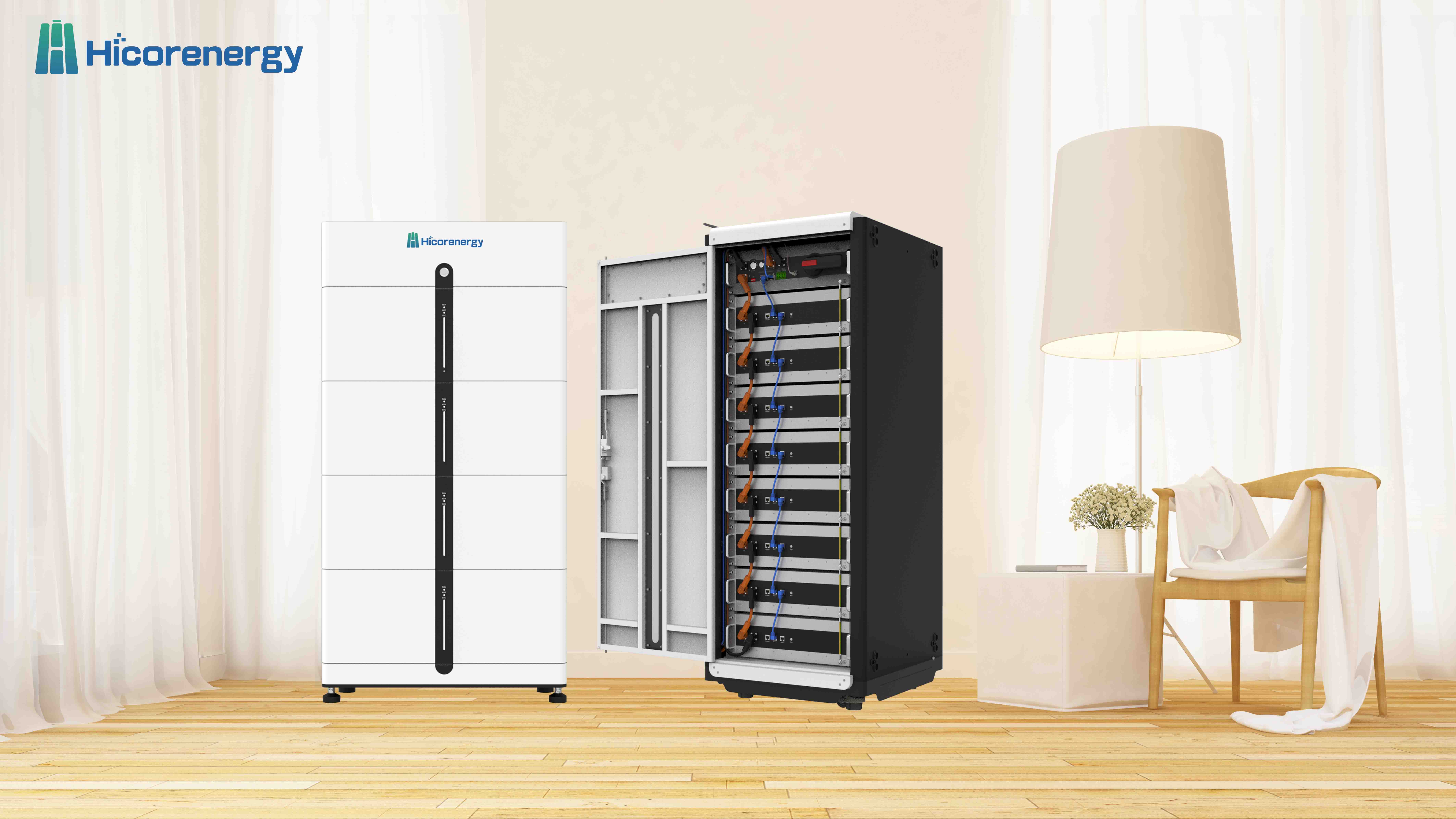
Choosing the Right Solution for Your Needs
Selecting the appropriate technology from the available Lithium-ion Cooling Methods is key to maximizing your investment. For demanding, high-power applications in extreme climates, liquid cooling might be necessary. However, for the majority of stationary energy storage needs, an Air Cooling Battery System offers an unparalleled combination of performance, safety, and value. It provides a durable, low-maintenance solution that protects the longevity of your battery without the complexity and cost of liquid-based alternatives. By choosing a well-engineered product from a trusted provider like Hicorenergy, you can be confident that your energy storage system is built to last, delivering cool, stable, and reliable power for years to come.