Choosing Between 5kWh, 10kWh, and 30kWh Batteries for Residential and Light Commercial Storage
Battery capacity is not just a number on a specification sheet—it defines how a storage system performs, how long it can power essential loads, and how it fits into the customer’s budget. For B2B decision-makers, the goal is to match capacity with actual energy needs while ensuring system flexibility for future upgrades.
5kWh Battery: Entry-level for Backup and Small Solar Kits
Best suited for:
-
Small homes or apartments with modest backup needs
-
Starter packages for residential solar-plus-storage
-
Low-load off-grid cabins, sheds, or workshops
A 5kWh battery can typically power lighting, refrigeration, and communication devices for several hours during an outage. For markets where customers are price-sensitive or hesitant about large upfront investments, it’s an effective entry point—especially if the system is modular and allows easy expansion.
Installer tip: Pair with an inverter under 5kW for optimal efficiency and lower hardware costs.
10kWh Battery: Balanced Capacity for Daily Cycling
Best suited for:
-
Standard family homes aiming for evening self-consumption
-
Hybrid solar setups with partial backup coverage
-
Small commercial sites needing short-term load support
A 10kWh battery offers a balance between cost and usable storage. In daily cycling scenarios—charging from solar during the day and discharging at night—it can offset a significant portion of grid consumption. In backup mode, it supports essential circuits for 8–12 hours, depending on load.
Installer tip: For grid-tied homes with time-of-use billing, a 10kWh capacity is often enough to shift the majority of peak-hour demand.
30kWh Battery: Whole-home Backup and Light Commercial Applications
Best suited for:
-
Large residential properties with high appliance loads
-
Off-grid homes requiring full-day autonomy
-
Light commercial facilities such as small offices, retail shops, or telecom base stations
A 30kWh battery provides extended autonomy, making it ideal for clients who cannot afford downtime—whether due to business operations, medical equipment, or climate control requirements. This capacity also supports three-phase inverter setups for higher power output.
Installer tip: Cabinet or containerized formats are preferred at this size for better cooling and easier maintenance.
Matching Capacity to Project Goals
When advising customers or designing systems, capacity should be guided by:
-
Load assessment – Actual energy usage over 24 hours, not just peak demand
-
Runtime expectations – How long the system must sustain critical loads
-
Budget and expansion plans – Start with the minimum viable capacity and design for future scaling
-
Site constraints – Space, mounting options, and thermal environment
Why Modular Systems Matter
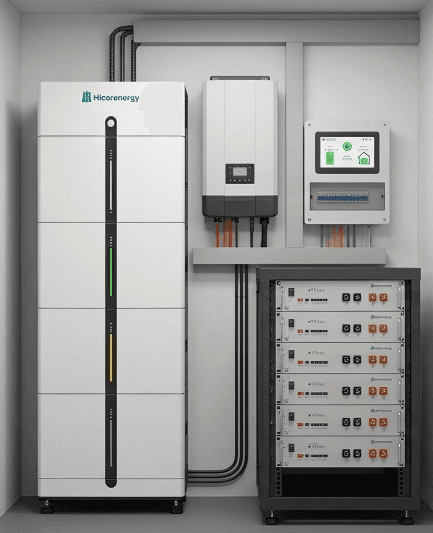
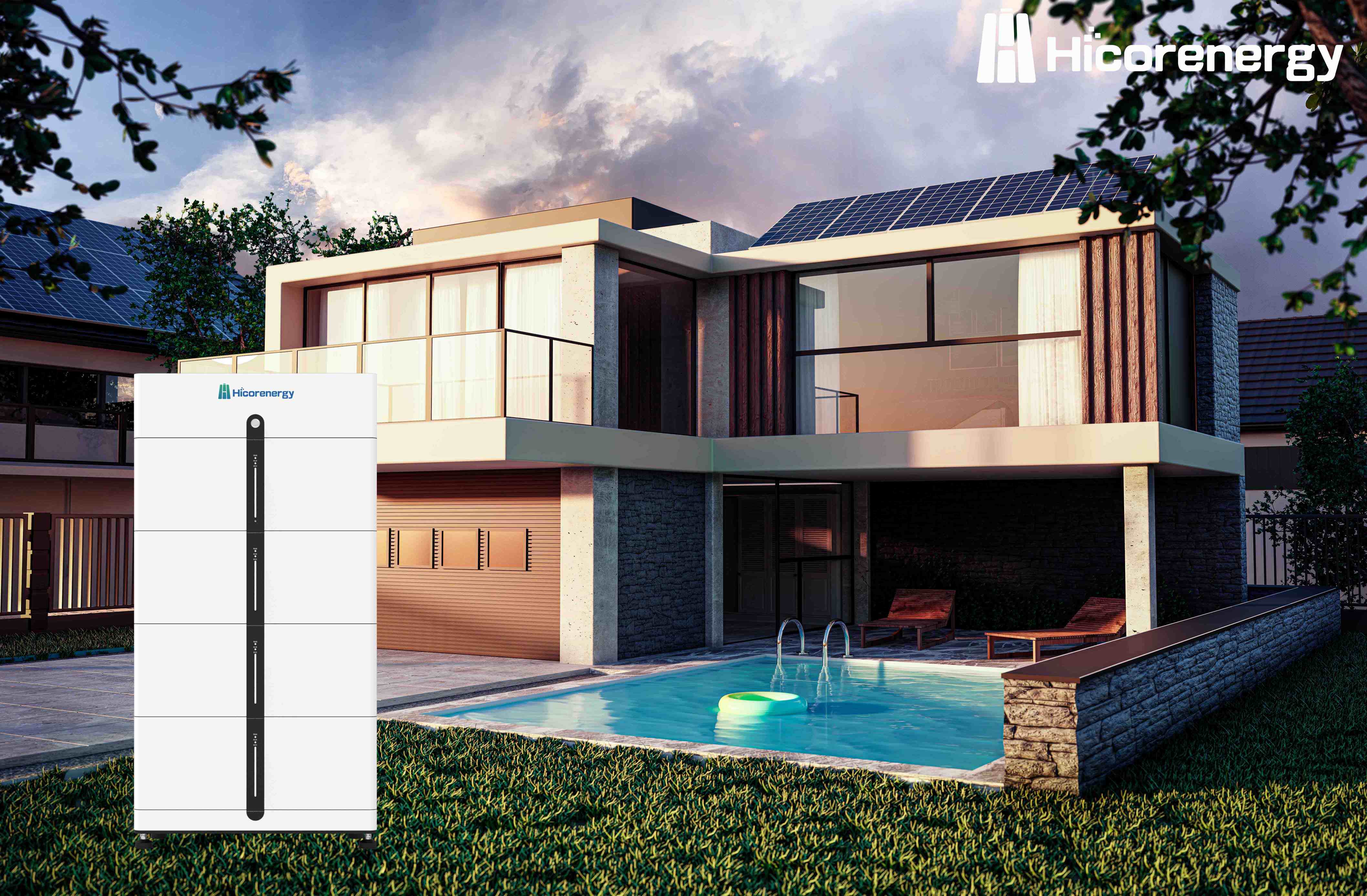
For both installers and distributors, modular battery designs simplify inventory, logistics, and after-sales service. A well-engineered modular platform can serve all three capacity points—5kWh, 10kWh, and 30kWh—by stacking or paralleling standard units. This reduces SKU count and ensures consistent integration with inverters and monitoring systems.
Strategic View: Capacity as a Sales Driver
In the next three years, offering clearly defined capacity options will be critical for winning residential and small-commercial storage projects. Customers value the ability to choose a system that fits their current needs while keeping the door open for future expansion.
For B2B partners, positioning 5kWh, 10kWh, and 30kWh battery solutions within a unified, modular product line ensures better market coverage, easier installer training, and stronger brand consistency.
Explore Hicorenergy’s battery capacity options or connect with our team for technical specifications, OEM branding, and capacity planning support.