Energy storage batteries integrate with photovoltaic systems by storing excess solar energy for later use, improving power reliability, enhancing self-consumption, and supporting backup power needs. This integration enables distributors and installers to deliver efficient, cost-effective, and adaptable solar solutions for residential, commercial, and industrial applications.
Understanding Energy Storage Batteries and Photovoltaic Systems
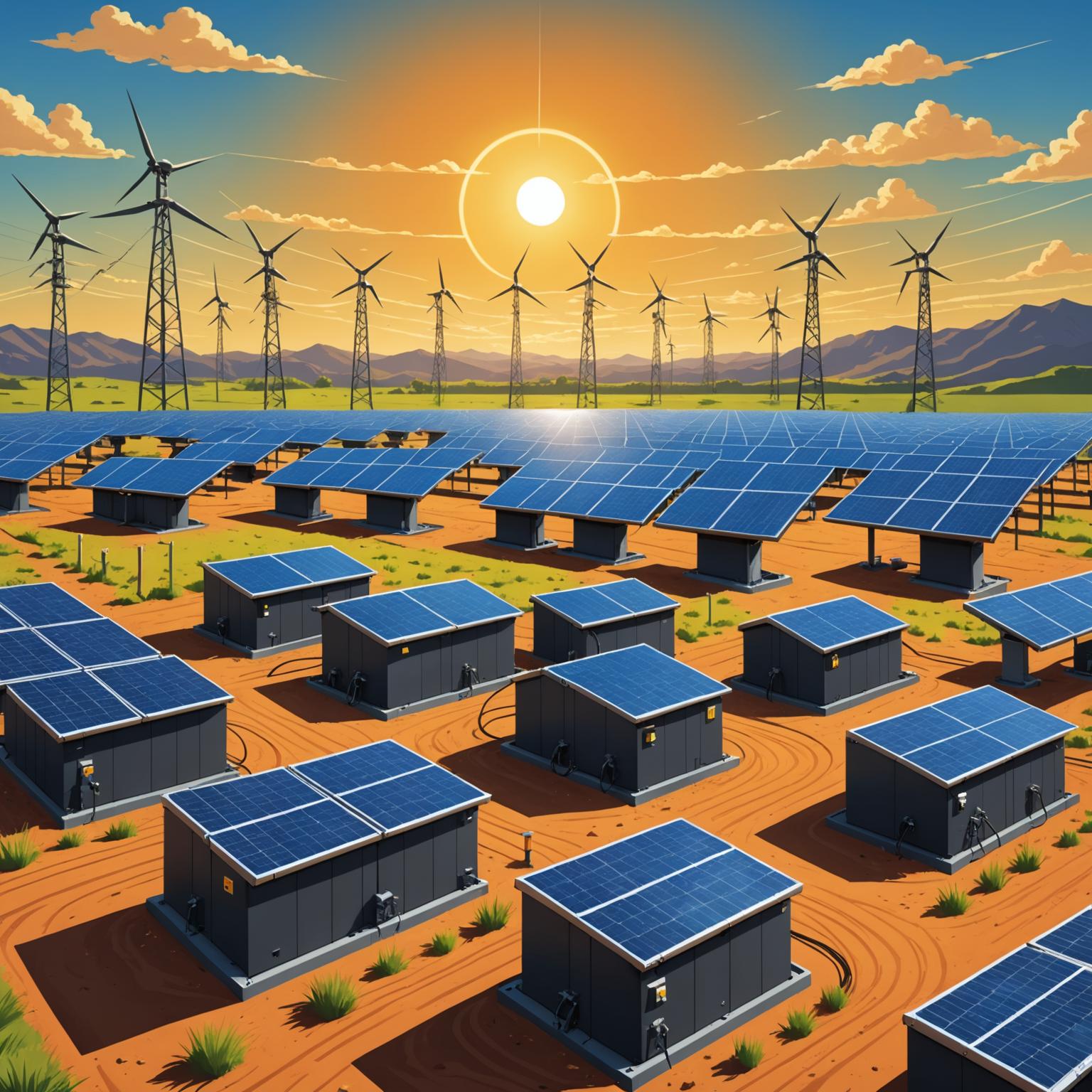
Understanding Energy Storage Batteries and Photovoltaic Systems involves recognizing the synergy between solar panels, inverters, and energy storage technologies. Photovoltaic modules generate electricity during sunlight hours, while batteries store unused energy for nighttime use or grid interruptions. This combination increases power stability, maximizes renewable energy utilization, and supports intelligent energy management.
The Benefits of Combining Solar Power with Battery Storage
The Benefits of Combining Solar Power with Battery Storage extend far beyond simple energy backup. When Energy Storage Batteries integrate with Photovoltaic Systems, users gain improved energy independence, reduced electricity bills, and enhanced protection against grid fluctuations. Solar-plus-storage systems ensure optimal utilization of daytime solar generation, prevent wasted energy, and support peak-shaving strategies for commercial users. Many modern systems also enable smart load shifting and support regional carbon-reduction policies. As global demand for clean energy increases, pairing PV and storage becomes an essential strategy for installers and distributors seeking to deliver long-term, stable, and scalable renewable solutions across multiple applications.
Key Components of a Photovoltaic Energy Storage System
Key Components of a Photovoltaic Energy Storage System include solar panels, inverters, charge controllers or hybrid inverters, energy storage batteries, BMS protection systems, and monitoring software. Together, these components ensure seamless energy conversion, storage, and distribution. Understanding each element allows distributors and installers to design systems that are efficient, safe, and tailored to customer needs.
How to Select the Right Energy Storage Battery for Your PV System
Selecting a suitable battery requires attention to chemistry, capacity, cycle life, compatibility, and installation conditions. Lithium iron phosphate (LiFePO4) batteries remain the preferred choice because of their safety and long service life—especially when Energy Storage Batteries integrate with Photovoltaic Systems in regions with unstable grids. Hicorenergy offers a range of solutions such as the I-BOX 48100R, which provides Tier 1 LiFePO4 cells, wide inverter compatibility, and more than 6,000 cycles for residential projects. The C5° series adds remote monitoring, high charge/discharge rates, and optimal operation in varying climates. For compact installations, the Si LV1 stackable battery ensures fast installation and UL9540A-validated safety, while commercial applications benefit from scalable systems like SHV48100 or the Si Station C&I series. Distributors and installers should match battery specifications with user demand, PV system design, and local regulatory requirements.
Step-by-Step Installation Process for PV Systems with Energy Storage
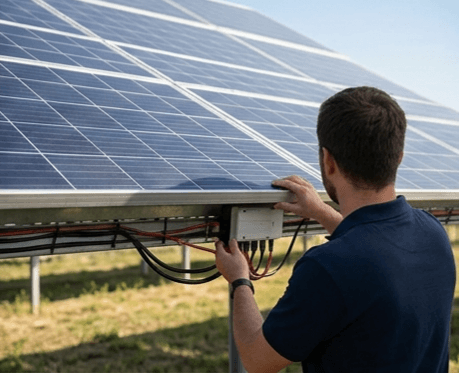
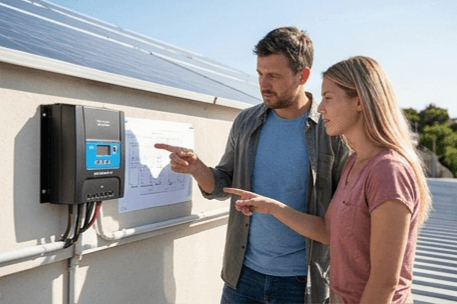
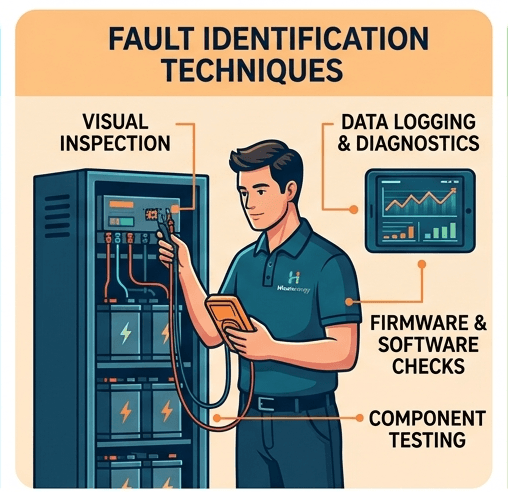
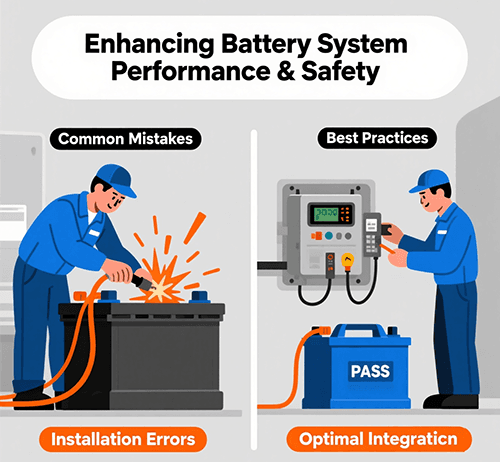
Integrating storage with PV generally follows a structured process. First, installers assess load profiles, roof or ground mounting conditions, and required backup capacity. Second, solar panels and mounting structures are installed, followed by wiring to hybrid or string inverters. Third, batteries are positioned according to safety codes—ensuring proper ventilation, spacing, and protection. Fourth, the inverter and BMS are programmed to prioritize solar charging, grid charging, or backup modes. Finally, system testing verifies energy flow, communication links, and safety protections. With modern systems like those from Hicorenergy, remote monitoring tools simplify commissioning and long-term maintenance.
Why Distributors and Installers Should Consider Energy Storage for Solar Projects
Offering Energy Storage Batteries that integrate with Photovoltaic Systems allows distributors and installers to meet rapidly growing demand for energy resilience, cost savings, and sustainability. Customers increasingly expect solutions that reduce grid dependence and deliver uninterrupted power—especially in regions facing outages or peak-tariff challenges. Solar-plus-storage systems also open opportunities for new revenue streams through advanced services such as demand response and virtual power plants. For installers, providing storage-ready PV solutions increases project value, improves customer satisfaction, and enhances competitiveness. Reliable manufacturers like Hicorenergy strengthen supply chain stability, offering globally compliant products tailored for residential and industrial environments.
Summary
Hicorenergy delivers high-quality, scalable solar-plus-storage solutions designed to integrate seamlessly with PV systems and support reliable, long-term energy performance.
Contact: info@hicorpower.com | WhatsApp: +86 181-0666-3226