Australia’s Battery Storage GST rules in 2026 require installers and distributors to correctly apply Goods and Services Tax when selling, installing, or distributing energy storage systems. Businesses must understand rebate scheme treatment, proper GST calculations, and reporting obligations. Compliance reduces financial risk, avoids ATO penalties, and ensures battery businesses can confidently operate in Australia’s fast-growing energy storage market.
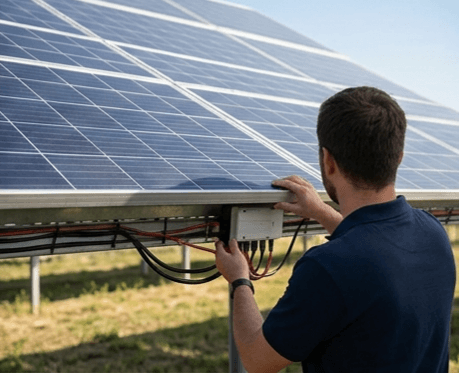
Australia’s energy transition has accelerated the adoption of solar battery systems, making Battery Storage GST compliance increasingly important. The Australian Taxation Office (ATO) applies Goods and Services Tax rules to most battery storage equipment, installation services, and related energy products. Under the evolving 2026 rebate environment, businesses must understand whether incentives reduce the GST-inclusive price or apply after GST calculation. Installers and distributors should ensure invoices clearly separate equipment, installation labor, and government incentives to meet ATO documentation standards. Proper classification of solar batteries, hybrid inverters, and installation services helps businesses remain compliant while benefiting from government energy initiatives designed to support residential and commercial storage deployment.
How to Calculate GST Correctly for Battery Storage Installations
Correct Battery Storage GST calculation is essential for installers and distributors providing turnkey solar and battery solutions. In Australia, the standard GST rate is 10% and typically applies to both the equipment and installation service.
A common structure for battery installation includes battery hardware, inverter equipment, installation labor, monitoring systems, and electrical components. The GST is normally calculated on the total taxable supply value before any rebates are applied unless a specific scheme states otherwise.
For example:
-
Battery system price: AUD 9,000
-
Installation cost: AUD 2,000
-
Subtotal taxable supply: AUD 11,000
-
GST (10%): AUD 1,100
-
Total invoice: AUD 12,100
If a rebate is applied afterward, the rebate reduces the final payable amount rather than the GST base unless the scheme specifies GST-exclusive incentives. Installers should maintain clear invoice documentation, track rebate treatment carefully, and ensure accounting software records GST correctly to avoid reporting errors.
GST Compliance Risks for Solar & Battery Installers in Australia
For solar and battery businesses, GST compliance errors can quickly escalate into costly financial issues. Incorrect application of Battery Storage GST often occurs when installers misunderstand how rebates affect taxable supply values or fail to separate installation services from equipment sales.
The ATO regularly audits energy-related industries because of the rapid expansion of renewable incentives. Incomplete invoices, inaccurate GST reporting, or improper rebate handling can result in back-tax assessments, penalties, and interest charges.
Installers and distributors should therefore adopt structured accounting processes, ensure their billing systems are GST-ready, and keep thorough documentation for each installation project. As the battery storage market continues to expand across residential, commercial, and off-grid sectors, maintaining compliance is essential for long-term business stability.
Small-scale Renewable Energy Scheme GST Requirements for Distributors
Australia’s Small-scale Renewable Energy Scheme (SRES) plays a key role in reducing the cost of solar and battery systems. For distributors and installers, understanding how the scheme interacts with Battery Storage GST is critical for accurate financial reporting.
Under SRES, eligible solar installations generate Small-scale Technology Certificates (STCs). These certificates can be sold or traded to offset system costs. From a GST perspective, the treatment depends on how the STC benefit is applied during the transaction.
If the installer assigns STCs to a registered agent in exchange for a discount provided to the customer, the discount may reduce the system price before GST is calculated. However, if STCs are handled separately as a financial transaction, GST may apply differently depending on the contractual arrangement.
Battery distributors must therefore structure agreements clearly and ensure that their accounting processes properly record certificate transfers, system discounts, and taxable supply values. Clear documentation helps avoid confusion during ATO reviews.
Avoiding GST Penalties: ATO Best Practices for Battery Businesses
To avoid penalties related to Battery Storage GST, installers and distributors should follow several ATO best practices designed for renewable energy businesses.
First, maintain detailed invoices that clearly identify battery equipment, inverters, installation services, and monitoring systems. Transparent documentation allows the ATO to verify how GST was calculated.
Second, keep accurate records of government rebates, incentive programs, and certificate transactions such as STCs. Businesses should record whether these incentives reduce the taxable price or apply after GST.
Third, implement reliable accounting systems capable of handling complex renewable energy transactions. Many installers use integrated project management and accounting software to track each installation’s cost breakdown.
Finally, ensure staff receive regular compliance training so they understand the correct treatment of Battery Storage GST. As policies evolve, keeping up-to-date with regulatory guidance helps businesses reduce risk and maintain smooth operations.
GST Registration & Reporting for Australian Energy Product Installers
Any business supplying solar batteries or installation services in Australia must register for GST once annual turnover exceeds AUD 75,000. Registered installers must charge Battery Storage GST on eligible sales and submit Business Activity Statements (BAS) to report collected GST.
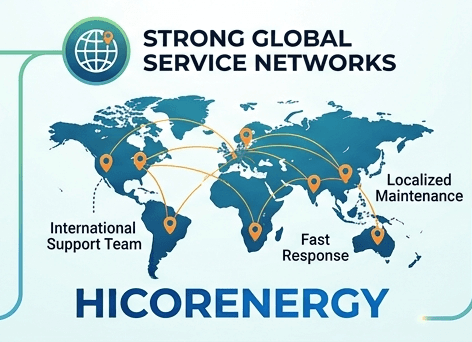
For energy storage installers seeking reliable product supply, choosing dependable battery manufacturers is equally important. Companies like Hicorenergy provide scalable lithium battery energy storage systems suitable for residential and commercial installations.
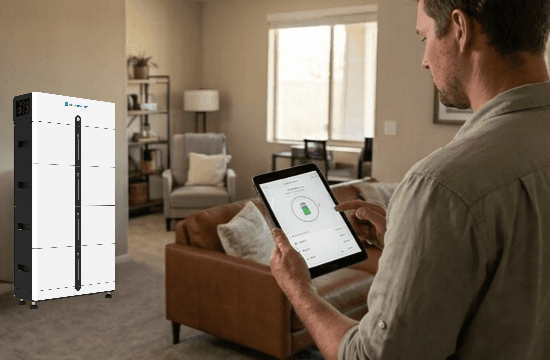
Hicorenergy offers solutions such as the I-BOX 48100R residential battery system, designed with automotive-grade LiFePO4 cells, high-efficiency performance above 95%, and a lifespan exceeding 6000 cycles. These systems support flexible installation, compatibility with major inverter brands, and scalable energy capacity for growing energy demands.
For installers and distributors, reliable battery technology simplifies compliance because certified products, clear specifications, and strong technical documentation make it easier to produce accurate invoices and project records for GST reporting.
Conclusion
Battery Storage GST compliance is essential for Australian installers and distributors. Accurate tax calculation, proper rebate handling, and reliable battery supply help businesses reduce regulatory risk while expanding in the growing energy storage market. Hicorenergy provides dependable lithium battery systems designed for professional installers and energy distributors worldwide.
Contact us for partnership opportunities:
Email: info@hicorpower.com
WhatsApp: +86 181-0666-3226