 A 10 kW Battery (often referred to as a 10 kWh battery backup for homes) is a residential energy storage system designed to store electricity from the grid or solar panels and deliver reliable power when needed. This guide explains how a 10 kW battery works, how long it can power a home, its costs, and whether a 10 kW battery storage system is the right choice for modern households using solar energy.
Understanding the Basics: kW vs. kWh in Home Battery Systems
When discussing a 10 kW Battery, it’s important to understand the difference between kW and kWh. Kilowatts (kW) measure power, or how much electricity a battery can deliver at one moment. Kilowatt-hours (kWh) measure energy capacity, or how much electricity the battery can store and supply over time.
In most residential systems, what homeowners really mean by a “10 kW battery” is a 10 kWh battery backup system. This type of 10 kW battery storage can support essential household loads, such as lighting, refrigeration, internet equipment, and small appliances. For solar homes, pairing a 10 kW solar battery with rooftop panels allows excess daytime energy to be stored and used at night, improving self-consumption and energy independence.
Key Benefits of a 10 kWh Home Battery: Backup Power, Savings & Solar
A 10 kW Battery is more than just backup—it’s a strategic energy upgrade. From keeping your home powered during outages to reducing peak electricity costs, a 10 kWh battery backup enhances resilience and savings. Combined with solar, a 10 kW battery storage system helps homeowners maximize clean energy use, stabilize household energy expenses, and move closer to energy independence. Let’s explore how long it lasts and whether it truly fits your home.
How Long Can a 10 kWh Battery Power Your Home?
The runtime of a 10 kW Battery depends on your household’s energy usage. On average, a 10 kWh battery backup can power essential loads—such as lights, Wi-Fi, TV, refrigerator, and fans—for 8 to 12 hours. If energy use is optimized, it may last even longer.
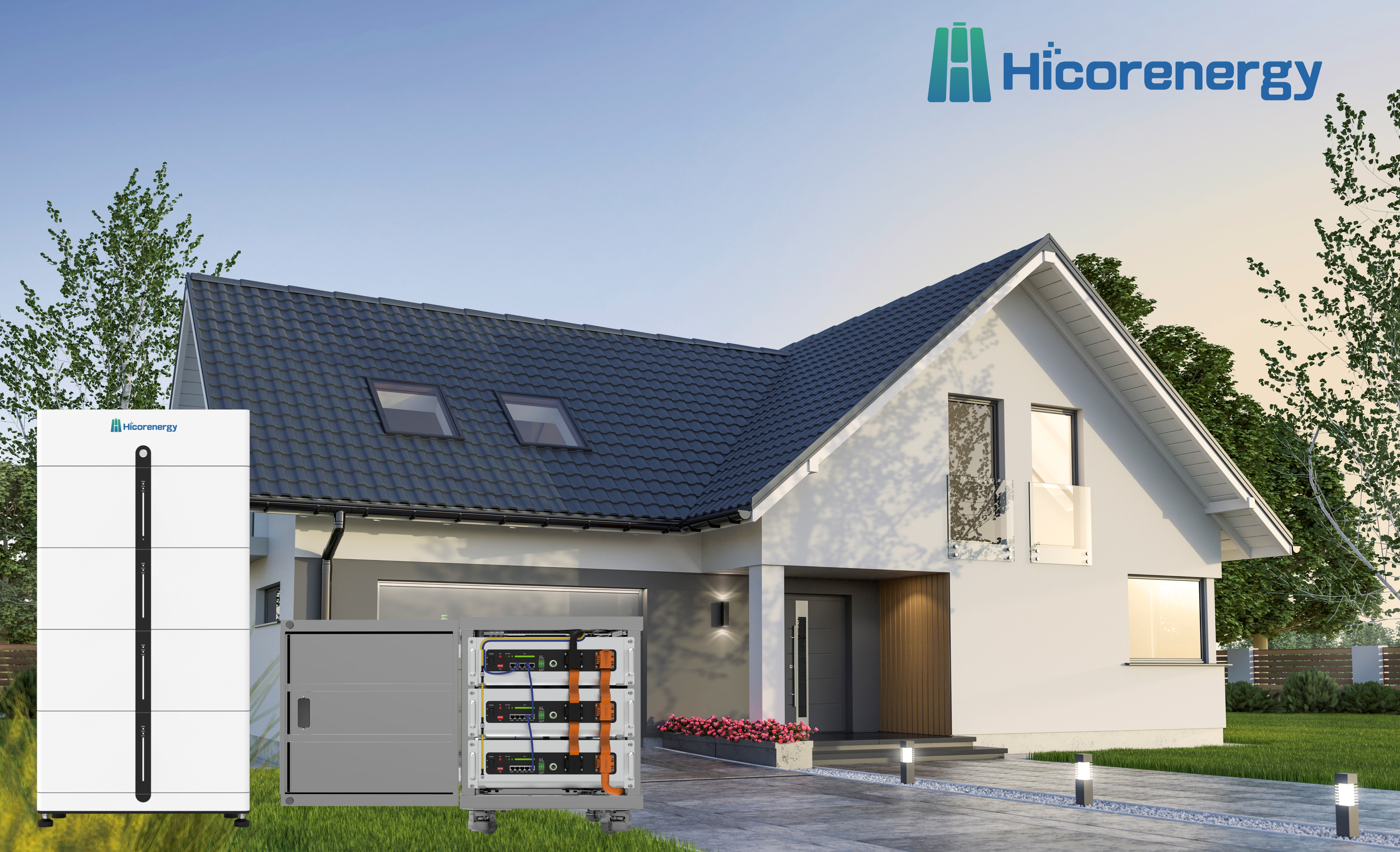
For example, a home consuming around 1 kW continuously could run for roughly 10 hours on a 10 kW battery storage system. When paired with solar panels, the battery can recharge during the day, extending runtime indefinitely in favorable conditions. Modular solutions like Hicorenergy’s Si LV1, which allows multiple battery modules to be stacked, enable homeowners to expand beyond a single 10 kW battery as energy needs grow. This flexibility is ideal for families planning future upgrades or higher solar output.
Cost and Considerations: Is a 10 kWh Battery Right for Your Home?
The 10 kWh battery price varies depending on brand, chemistry, certifications, and system design. Globally, a typical 10 kW solar battery system may range from USD 4,000 to 8,000, excluding installation. While the upfront cost can seem high, long-term savings from reduced grid dependence and avoided outage losses often justify the investment.
When choosing a 10 kW Battery, consider factors such as scalability, safety certifications, and compatibility with solar inverters. Hicorenergy’s I-Box 48100R is designed for reliable residential and light commercial energy storage, offering robust battery management and long cycle life. For homeowners seeking dependable 10 kW battery storage, selecting a proven manufacturer ensures performance, safety, and long-term value.
Final Thoughts: Choosing the Right 10 kW Battery System
A 10 kW Battery is an excellent solution for homeowners seeking backup power, solar optimization, and energy independence. With scalable options like Hicorenergy Si LV1 and reliable systems such as the I-Box 48100R, building a future-ready home energy system is easier than ever.
Contact us to learn more:
Email: service@hicorenergy.com
WhatsApp: +86 181-0666-0961