Battery installs are often delayed due to supply chain shortages, regulatory approvals, and surging demand for energy storage systems. Distributors and installers frequently face equipment compatibility issues and shipping delays, which further extend project timelines. Understanding these factors can help industry professionals plan installations more efficiently and avoid costly project setbacks.
Battery Supply Chain Shortages: The Top Culprit of Delayed Installs
Battery installs are highly dependent on a stable global supply chain. In recent years, shortages of lithium cells, electronic components, and battery management systems have significantly slowed production. For distributors and installers, this means longer lead times between placing orders and receiving equipment. Manufacturing bottlenecks and fluctuations in raw material availability can cause suppliers to allocate inventory carefully, often prioritizing larger projects. As a result, installers may face delays in securing enough batteries to complete installations on schedule. Without consistent supply, even well-planned projects can experience unexpected setbacks that push installation timelines weeks or even months beyond initial expectations.
Permit & Regulatory Hurdles: How Red Tape Slows Down Battery Installs
Even when equipment is readily available, battery installs often stall due to permitting and regulatory processes. Local authorities typically require compliance with safety standards, electrical codes, and grid interconnection regulations before installation can proceed. These procedures involve application reviews, documentation checks, and sometimes multiple rounds of approval.
For installers and distributors, navigating these regulatory frameworks can be time-consuming, particularly when different regions have different requirements. Inspection scheduling and approval delays can extend the installation timeline significantly. In some cases, even small system modifications require additional paperwork and reassessment.
Because energy storage technology continues to evolve rapidly, regulations sometimes struggle to keep pace. This results in additional scrutiny and slower approvals for new systems. For companies involved in battery installs, understanding the regulatory environment early in the project can reduce unexpected delays and help streamline the process.
High Demand for Residential & Commercial Energy Storage: Why Battery Install Wait Times Are Skyrocketing

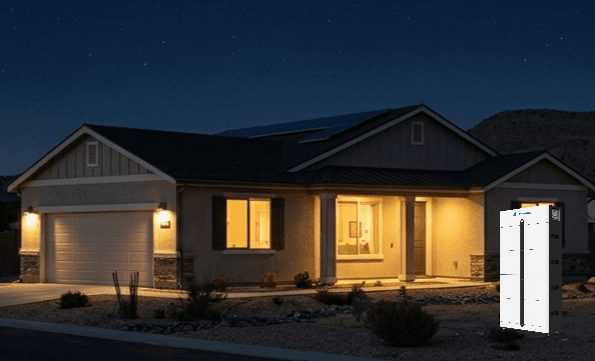
The global shift toward renewable energy has dramatically increased the demand for energy storage systems. Homeowners want backup power and lower electricity bills, while commercial facilities seek energy cost optimization and improved reliability. As more solar installations require battery storage integration, the demand for battery installs has surged.
For distributors and installers, this rapid market growth creates both opportunity and pressure. Installation teams are often booked weeks or months in advance, and suppliers must work harder to meet order volumes. As a result, project queues grow longer. This demand surge is a key reason why many customers experience extended wait times for energy storage installations.
Equipment Compatibility Issues: A Hidden Factor Delaying Battery Installs (Distributor Must-Know)
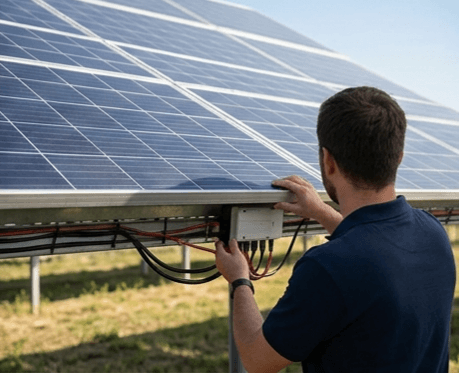
Another overlooked reason for delayed battery installs is compatibility between energy storage systems and other electrical equipment. Not all batteries work seamlessly with every inverter, energy management system, or solar configuration. When compatibility issues arise, installers may need to reconfigure system designs or replace certain components.
For distributors, this creates additional complexity in the supply chain. Selecting batteries that support a wide range of inverter brands and communication protocols is critical for efficient installations. Compatibility challenges can also require additional testing and system integration work before the installation can proceed.
Moreover, installers must verify system specifications such as voltage ranges, communication interfaces, and firmware compatibility. If mismatches occur after equipment arrives on site, the installation schedule can be disrupted while replacement components are sourced.
This is why many industry professionals prioritize energy storage solutions that offer broad compatibility and flexible installation options. By reducing integration challenges, distributors and installers can minimize unexpected delays and keep battery installs on track.
Logistics & Shipping Delays: How Battery Delivery Timelines Impact Install Schedules
Shipping and logistics are another major factor influencing battery installs. Energy storage systems are heavy, high-value equipment that require specialized handling and transportation. International shipping congestion, port delays, and customs clearance procedures can extend delivery timelines significantly.
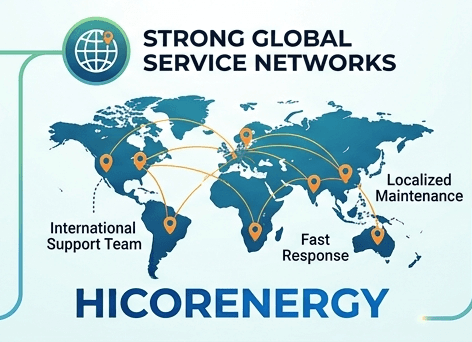
To address these challenges, reliable manufacturers focus on strengthening their global supply networks and improving delivery efficiency. Hicorenergy, a lithium battery solution provider with more than 20 years of industry expertise, operates multiple production bases and maintains offices and service networks across North America, Europe, and Asia to support faster response and delivery.
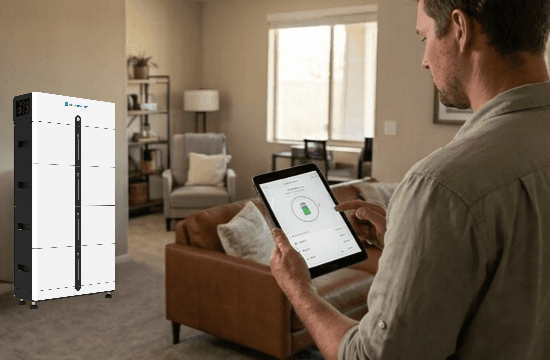
Hicorenergy offers a range of residential and commercial energy storage solutions designed for flexible installation and reliable performance. For example, the I-BOX 48100R residential battery features high-quality LiFePO4 cells, over 6000 cycle life, and compatibility with most major inverter brands, making it suitable for battery replacement, system expansion, and new installations.
By improving product compatibility and maintaining global supply capabilities, manufacturers can help distributors reduce delivery uncertainty and accelerate battery installs.
Conclusion
Delays in battery installs often stem from supply shortages, regulatory approvals, compatibility challenges, and shipping timelines. With reliable products, scalable systems, and global support networks, Hicorenergy helps distributors and installers deploy energy storage systems more efficiently.
Email: info@hicorpower.com
WhatsApp: +86 181-0666-3226