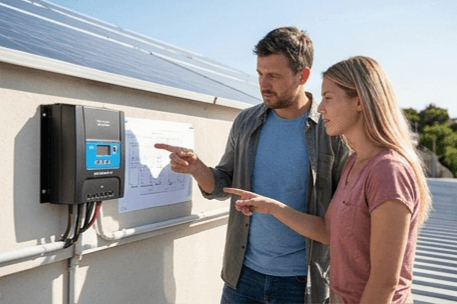
Energy Storage Battery Distributors can simplify installation and reduce operational risks by mastering plug-and-play integration techniques. Proper compatibility checks, standardized connection procedures, and post-installation testing ensure that energy storage batteries operate safely and efficiently with inverters and photovoltaic systems while minimizing downtime and service costs.
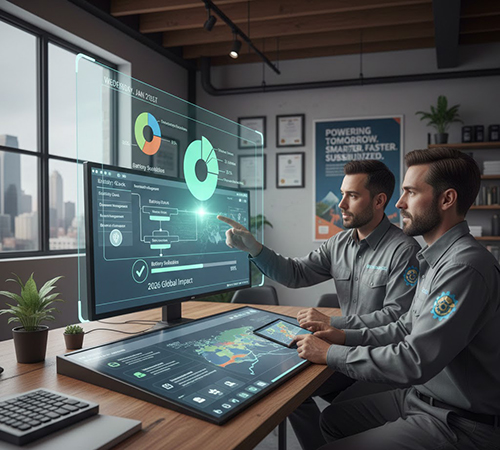
Pre-integration Preparation: Verification of Hicorenergy Battery Compatibility with Equipment
Before integrating any battery system, Energy Storage Battery Distributors must confirm compatibility between the battery, inverter, and photovoltaic components. This preparation step helps avoid communication failures, voltage mismatches, or system instability during operation.
Hicorenergy lithium energy storage batteries are designed with wide compatibility, allowing them to work with most mainstream inverter brands. Distributors should verify rated voltage ranges, communication protocols such as CAN or RS485, and system capacity requirements before installation. Environmental conditions such as ambient temperature and installation space must also be assessed to ensure the battery operates within the recommended parameters. Proper preparation significantly reduces integration risks and improves long-term system stability.
General Integration Steps: Hicorenergy Battery Plug-and-Play Core Operation Process
The plug-and-play architecture simplifies the installation process for Energy Storage Battery Distributors, reducing installation time while ensuring operational reliability. A typical integration process involves several core steps.
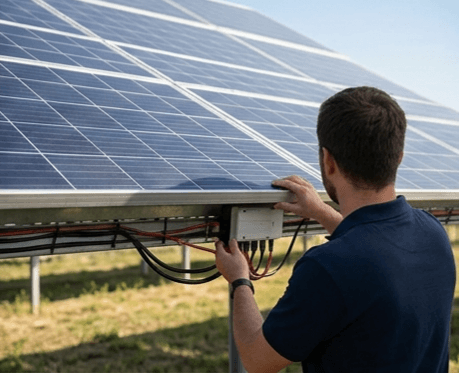
First, installers position the battery modules according to the system layout and ensure proper mechanical mounting, such as rack, wall-mounted, or floor-standing configurations. Second, the power cables and communication lines are connected following the manufacturer’s wiring diagram. Third, the battery management system (BMS) communication is established with the inverter to enable system monitoring and protection functions.
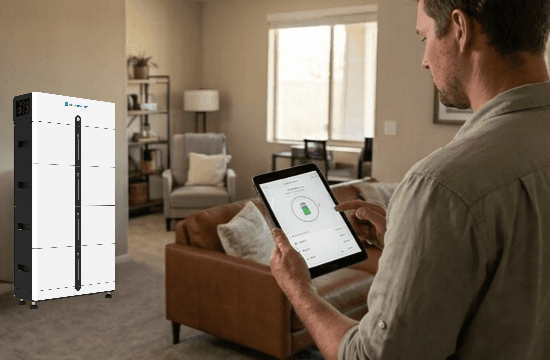
Once physical connections are completed, the system is powered on sequentially to allow the inverter and battery to recognize each other automatically. System parameters such as charging current limits, discharge thresholds, and operational modes are then configured. After initialization, remote monitoring platforms can be activated to track battery performance, alarms, and operational data in real time.
Specialized Integration of Mainstream Equipment: Hands-On Techniques for Inverters and PV Panels with Hicorenergy Batteries
Although plug-and-play systems simplify installation, Energy Storage Battery Distributors still benefit from understanding how batteries interact with inverters and solar panels. Proper inverter configuration ensures the battery receives accurate charging instructions and maintains balanced energy flow.
For photovoltaic systems, installers must ensure the inverter correctly prioritizes solar generation, battery charging, and grid interaction. Adjusting inverter charging profiles to match lithium battery characteristics is also essential for maximizing battery lifespan and efficiency. By understanding these integration details, distributors can improve system reliability and reduce post-installation troubleshooting, making this topic worth further exploration.
Distributors Beware: Common Hicorenergy Battery Integration Errors and Emergency Response Methods
Energy Storage Battery Distributors often encounter integration problems that stem from avoidable installation errors. One common issue is incorrect communication configuration between the battery and inverter, which may lead to system alarms or limited battery functionality. Ensuring that communication cables are connected to the correct ports and that inverter protocols match the battery BMS is essential.
Another frequent problem is improper current configuration. Setting charging or discharging limits beyond recommended levels can cause performance degradation or safety shutdowns. Installers must strictly follow the recommended current values provided in technical documentation.
Emergency response procedures are equally important. If a battery system reports abnormal temperature, voltage imbalance, or communication failure, installers should immediately isolate the battery system, check wiring connections, and review system logs. Restarting the system after troubleshooting often resolves minor integration issues. Maintaining proper installation documentation and following standardized procedures helps distributors reduce operational risks and improve installation efficiency.
Post-Integration Acceptance: Hicorenergy Battery Interoperability Testing and Stability Verification with Equipment
After completing installation, Energy Storage Battery Distributors should perform comprehensive acceptance testing to verify system interoperability and operational stability. This step ensures that the battery, inverter, and solar components function as a unified energy storage system.
Testing typically begins with a system communication check to confirm that the battery management system is properly exchanging data with the inverter. Installers then perform controlled charging and discharging cycles to verify current limits, voltage stability, and response times.
Hicorenergy energy storage products such as the I-BOX 48100R, C5°, and Si LV1 residential battery systems are designed to simplify this process. These batteries use automotive-grade LiFePO4 cells, self-developed BMS technology, and plug-and-play connectors that reduce manual wiring during installation. With more than 6000 cycle life and round-trip efficiency exceeding 95%, these systems provide long-term operational reliability for residential and distributed energy storage applications. In addition, smart monitoring platforms enable distributors to remotely track system status, perform firmware upgrades, and detect potential faults early.
By combining reliable hardware design with intelligent monitoring tools, distributors can ensure that the integrated energy storage system meets both performance and safety requirements.
Conclusion
For Energy Storage Battery Distributors, mastering plug-and-play integration techniques improves installation efficiency, reduces operational risks, and ensures long-term system reliability. Hicorenergy energy storage batteries offer wide compatibility, intelligent monitoring, and simplified installation, enabling distributors to deliver dependable energy storage solutions in diverse application environments.
For more information, please contact:
Email: info@hicorpower.com
WhatsApp: +86 181-0666-3226