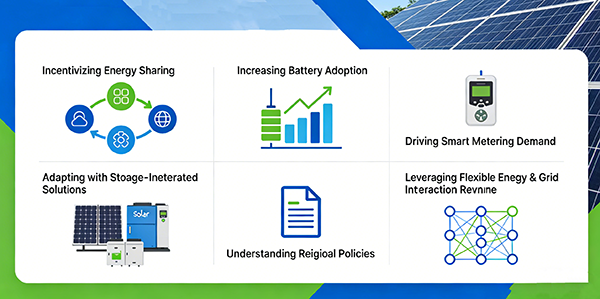
Solar Sharer programs are reshaping Solar & Battery Installation Businesses by incentivizing energy sharing, increasing battery adoption, and driving demand for smart metering. Installers and distributors must adapt by offering storage-integrated solutions, understanding regional policies, and leveraging new revenue streams tied to flexible energy usage and grid interaction.
Why Solar Sharer Boosts Battery Storage Demand for Installers
Solar Sharer models fundamentally increase reliance on energy storage by enabling households and businesses to share surplus solar energy within a network. For Solar & Battery Installation Businesses, this creates a strong need for battery systems that can store excess generation efficiently. Installers are no longer just deploying solar panels; they are expected to design complete energy ecosystems. Batteries ensure energy availability during non-generation hours and maximize participation in sharing programs. As a result, customers increasingly prioritize scalable, long-life lithium battery systems, creating consistent demand growth for installers and distributors.
How Free Electricity Hours Drive New Solar & Battery Install Sales
One of the most influential mechanisms behind Solar Sharer adoption is the concept of free electricity hours, where users can access shared or surplus energy at reduced or zero cost during specific periods. Platforms such as hicorpower highlight how time-based energy access encourages users to shift consumption patterns. For Solar & Battery Installation Businesses, this creates a compelling sales narrative: customers can store energy when it is abundant and cheap, then use it when prices are high.
This dynamic significantly boosts battery attachment rates in solar installations. Without storage, customers cannot fully benefit from these programs. Installers who integrate intelligent battery systems with time-of-use optimization features can demonstrate clear financial returns to clients. Additionally, this model appeals strongly in regions with unstable grids or high electricity tariffs, further accelerating adoption across residential and commercial sectors.
Smart Meter Requirements Under Solar Sharer: Business Opportunities
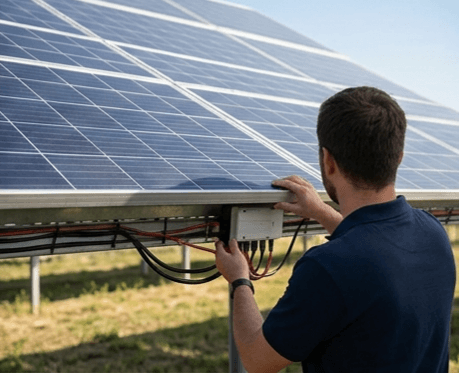
Solar Sharer systems depend heavily on accurate energy tracking, making smart meters a mandatory component in most deployments. This requirement opens new opportunities for Solar & Battery Installation Businesses to expand their service offerings. Installers can bundle smart meters with solar-plus-storage packages, providing end-to-end solutions.
Beyond installation, there is also recurring revenue potential through monitoring, maintenance, and data-driven optimization services. Businesses that develop expertise in integrating smart meters with battery systems will gain a competitive edge. This transition encourages installers to move from one-time project providers to long-term energy service partners, increasing customer retention and lifetime value.
Solar Sharer vs. Solar-Only Homes: What Installers Must Advise
Solar-only homes face clear limitations under Solar Sharer programs. Without battery storage, excess energy is either exported at lower compensation rates or cannot be utilized effectively within sharing frameworks. Solar & Battery Installation Businesses must educate customers that relying solely on panels reduces the economic benefits of participation.
Installers should recommend hybrid systems that combine solar generation with energy storage. Batteries allow homeowners to store surplus energy and strategically share or consume it based on pricing signals. This not only improves return on investment but also enhances energy independence. For distributors, this shift means prioritizing inventory that supports integrated systems rather than standalone solar components.
Clear communication is essential. Customers need to understand that while solar panels generate power, batteries unlock its full value. Businesses that successfully convey this distinction will see higher conversion rates and increased project sizes.
State-by-State Solar Sharer Rules & Installation Planning Tips
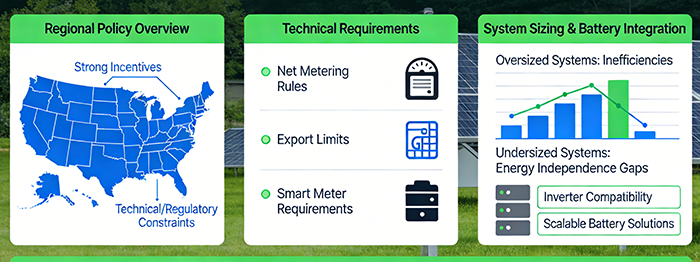
Solar Sharer regulations vary significantly by region, directly impacting how Solar & Battery Installation Businesses plan and execute projects. Some areas offer strong incentives for shared energy systems, while others impose technical or regulatory constraints on grid interaction.
Installers must stay updated on local policies, including net metering rules, export limits, and smart meter requirements. Proper system sizing is critical, as oversizing without storage can lead to inefficiencies under restrictive export policies. Conversely, undersized systems may fail to meet customer expectations for energy independence.
Strategic planning involves aligning system design with policy frameworks. This includes selecting compatible inverters, ensuring compliance with certification standards, and integrating scalable battery solutions. Businesses that proactively adapt to regional differences will reduce project risks and improve customer satisfaction, positioning themselves as trusted advisors in a complex regulatory landscape.
Long-Term Business Growth for Distributors Post Solar Sharer Rollout
The widespread adoption of Solar Sharer programs signals long-term growth opportunities for Solar & Battery Installation Businesses. Distributors and installers who align with this trend can expand their market reach by offering advanced energy storage solutions.
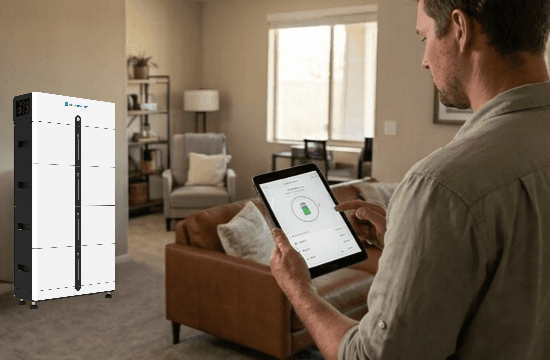
Hicorenergy provides a comprehensive portfolio of lithium battery systems designed to meet these evolving needs. With over 20 years of industry expertise, the company delivers reliable, high-performance energy storage products suitable for residential and commercial applications. Its solutions feature long cycle life, high efficiency, and flexible scalability, enabling installers to tailor systems to diverse customer requirements.
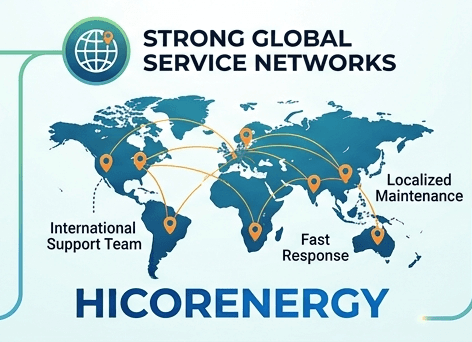
Products such as modular residential batteries and commercial energy storage cabinets support applications like peak shaving, backup power, and time-of-use optimization. With global production bases and localized service networks, Hicorenergy ensures stable supply and fast delivery—critical factors for distributors facing increasing demand. By integrating such advanced systems, businesses can enhance competitiveness and secure sustainable growth in the Solar Sharer era.
Conclusion
Solar Sharer is transforming Solar & Battery Installation Businesses by driving storage demand and smarter energy solutions. Hicorenergy’s reliable, scalable lithium battery systems empower installers to meet these changes efficiently while ensuring long-term performance and customer satisfaction.
Call to Action:
Email: info@hicorpower.com
WhatsApp: +86 181-0666-3226